
Why Visit?
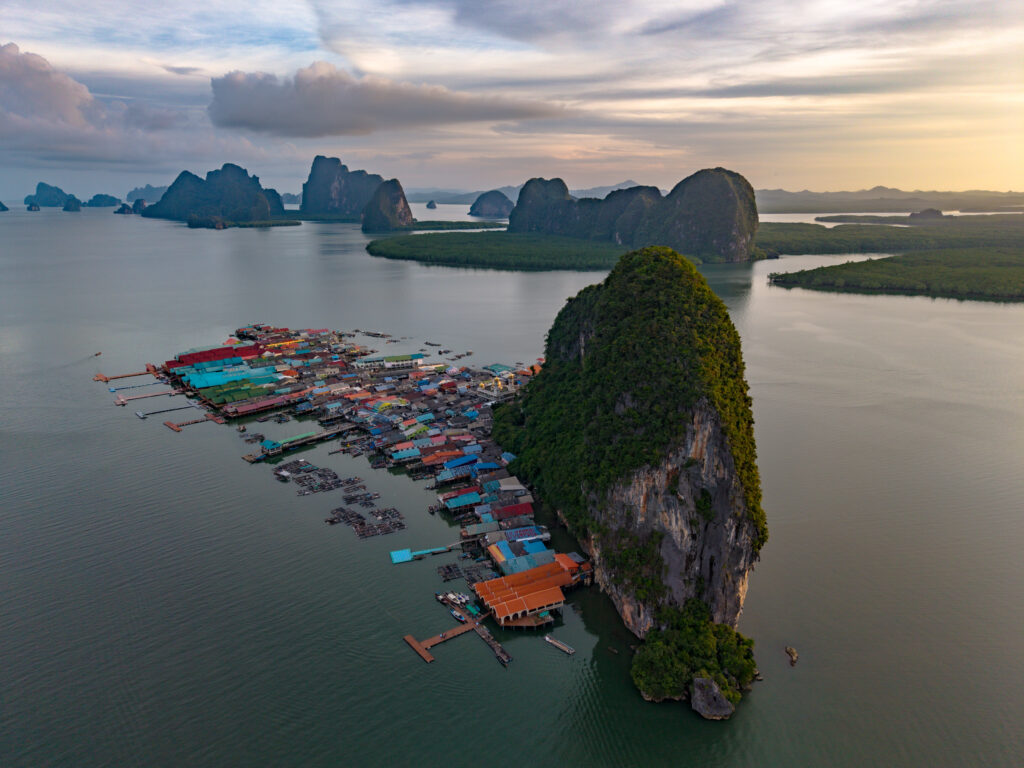
Phang Nga Bay is famous for dramatic limestone islands rising from emerald-green water.
Koh Panyee offers something completely different.
Instead of an uninhabited island or a viewpoint, you find a community built above the sea. Houses, restaurants, shops, a school, a health centre and a mosque form a dense network of life around the limestone island. The Tourism Authority of Thailand describes Koh Panyee as a small island community whose residents are predominantly Thai Muslims and whose traditional livelihoods include fishing.
For most visitors, the village is a short stop during a Phang Nga Bay tour.
But stay a little longer and another side begins to appear.
A Village Built Above the Water
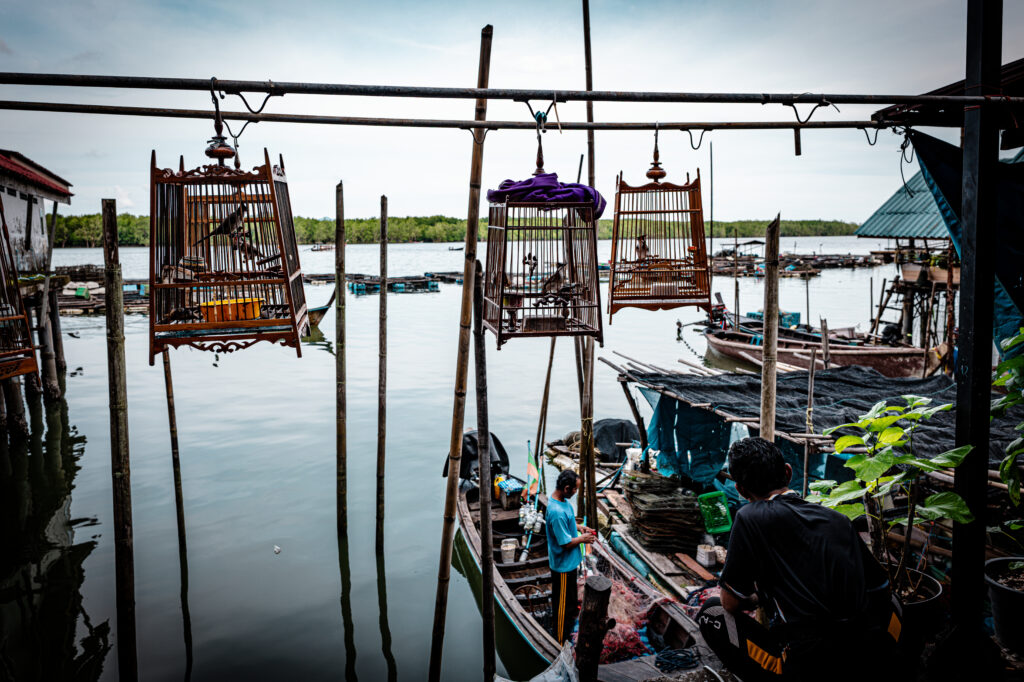
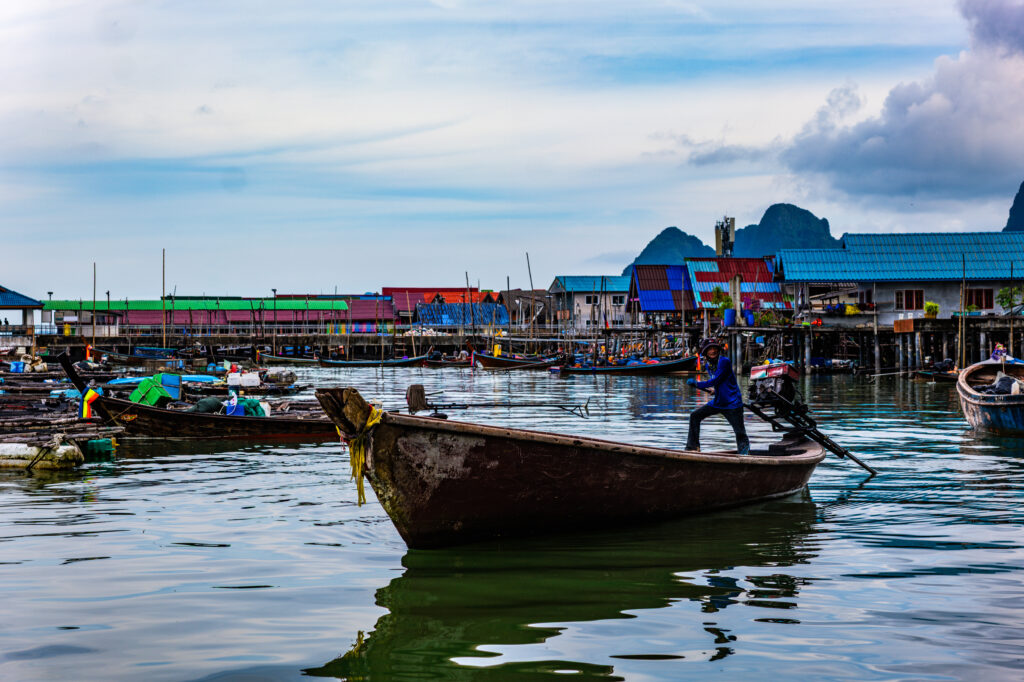
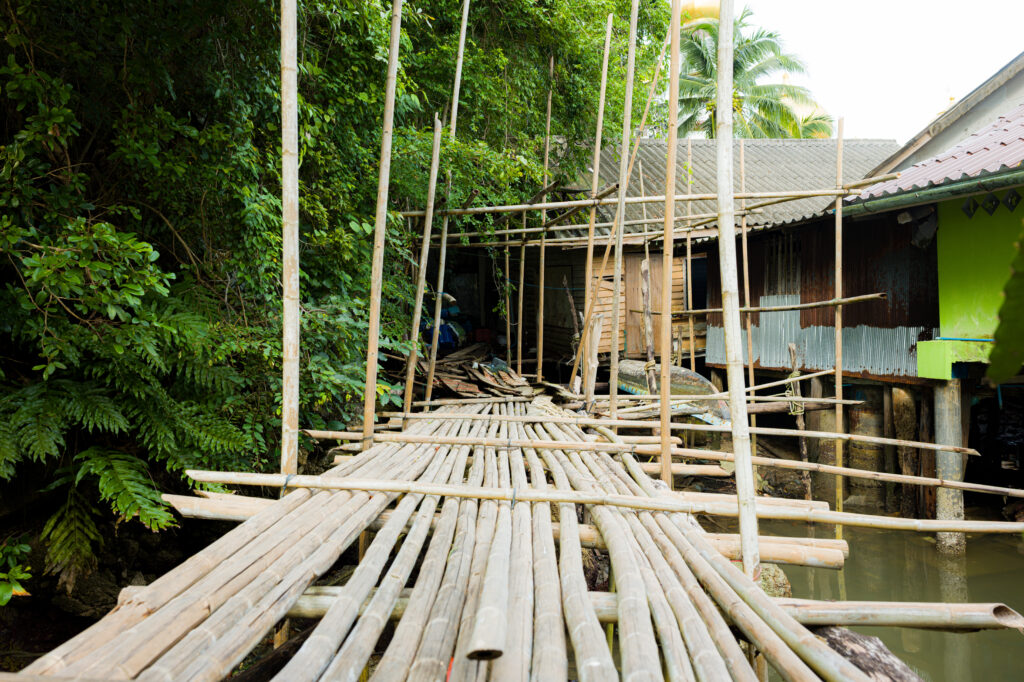
Koh Panyee also known as Ko Panyi is often called a floating village.
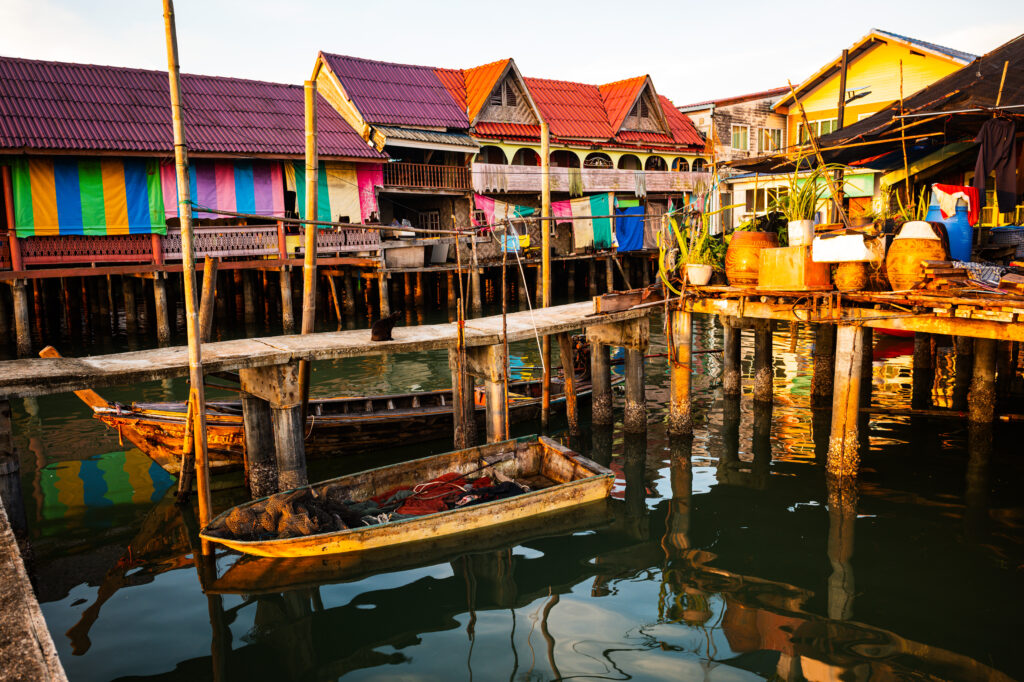
Technically, it is a village built on stilts.
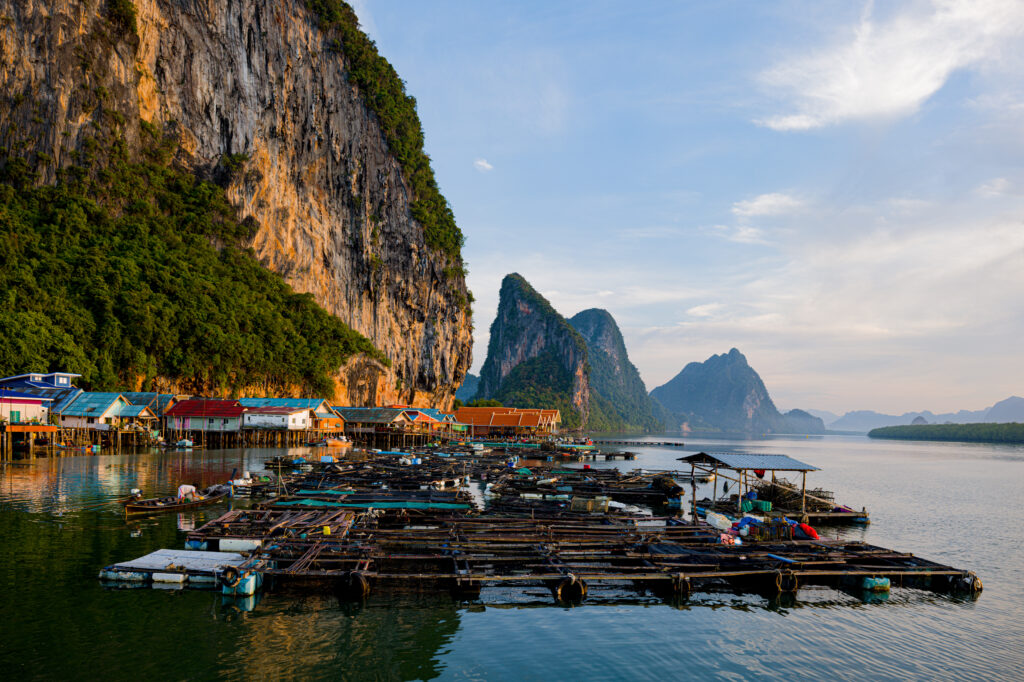
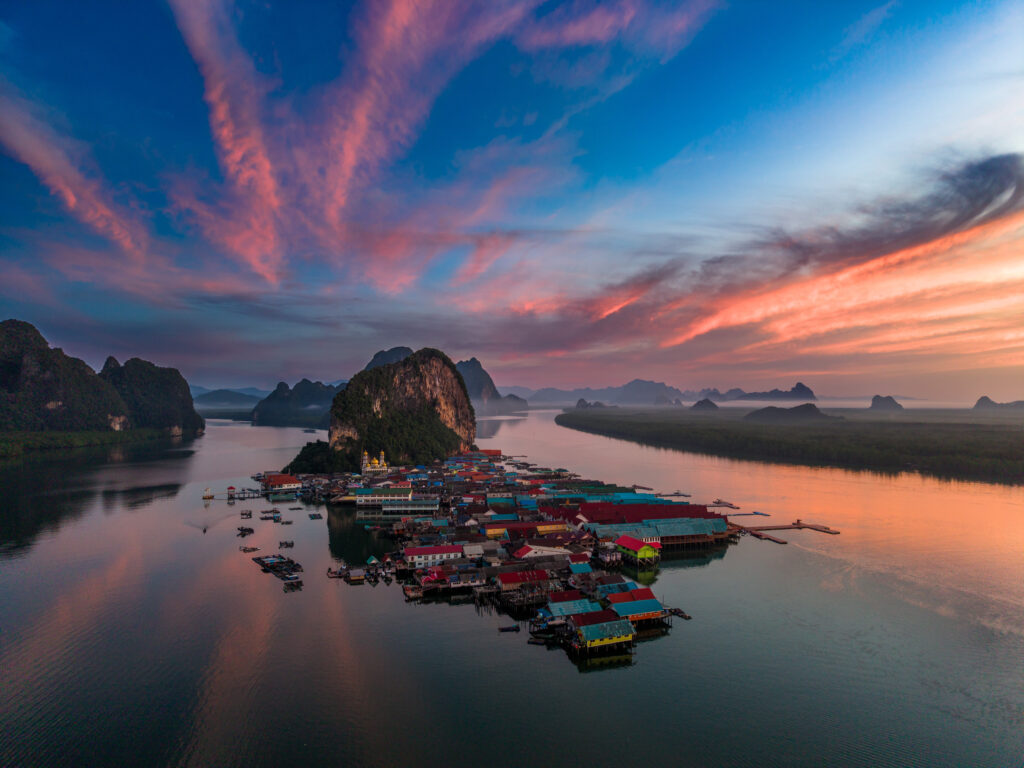
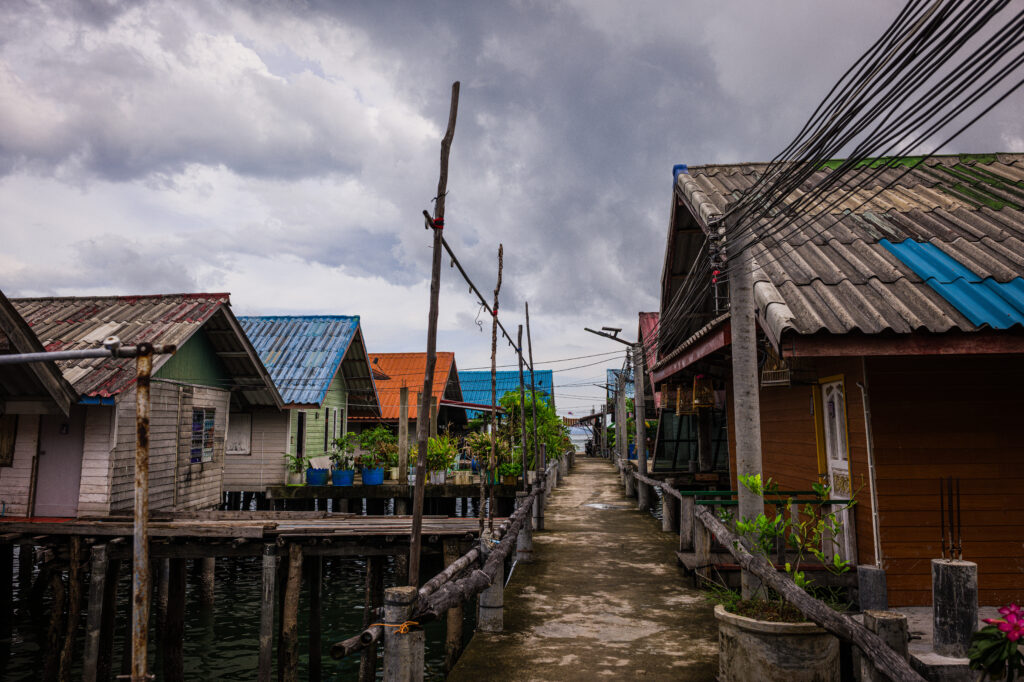
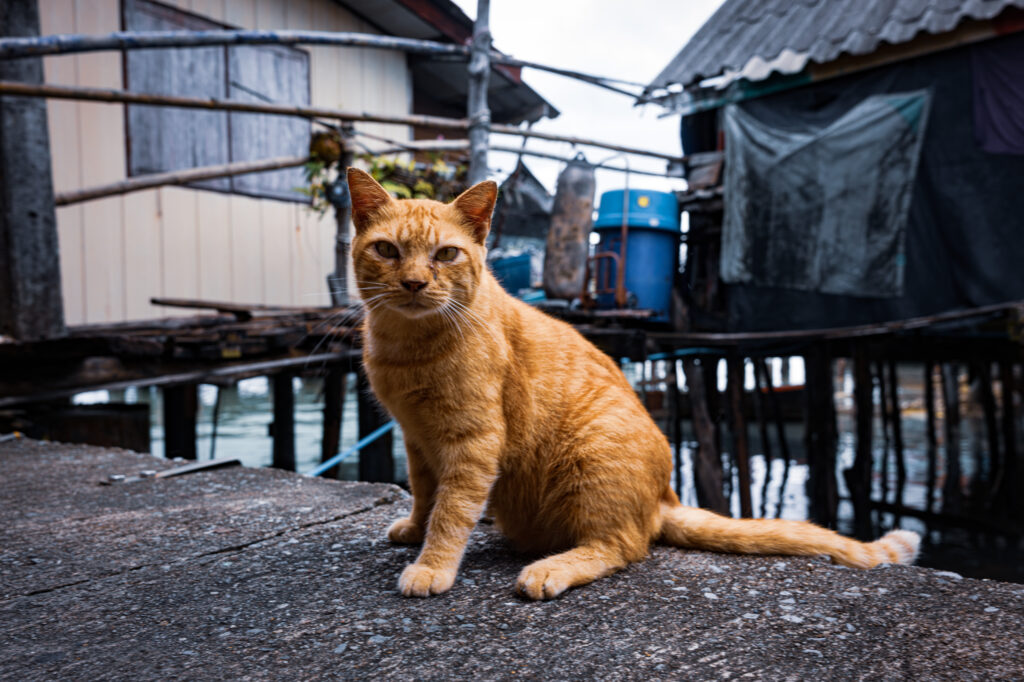
Most of the homes and buildings stand on wooden or concrete piles driven into the shallow seabed, creating a remarkable settlement that extends out from the solid land around the limestone cliff. At low tide, the supporting structures become particularly visible beneath the buildings.
The result is a village without the conventional streets you might expect.
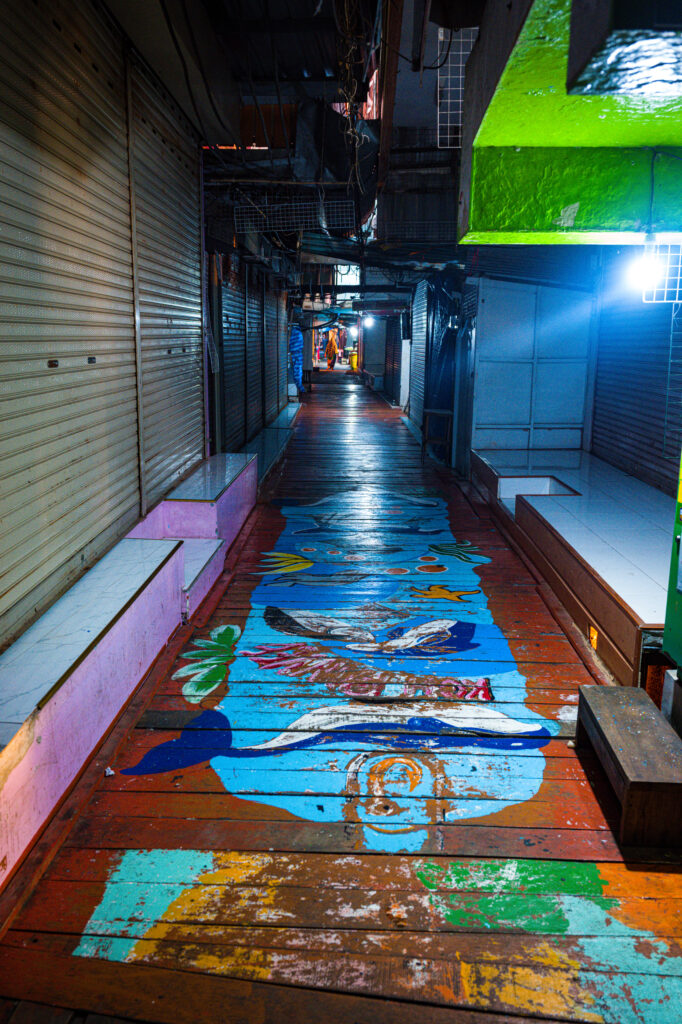
Walkways connect homes, restaurants and shops, while boats provide an essential connection to the surrounding waters.
From above, the settlement looks almost like a patchwork floating on the bay.
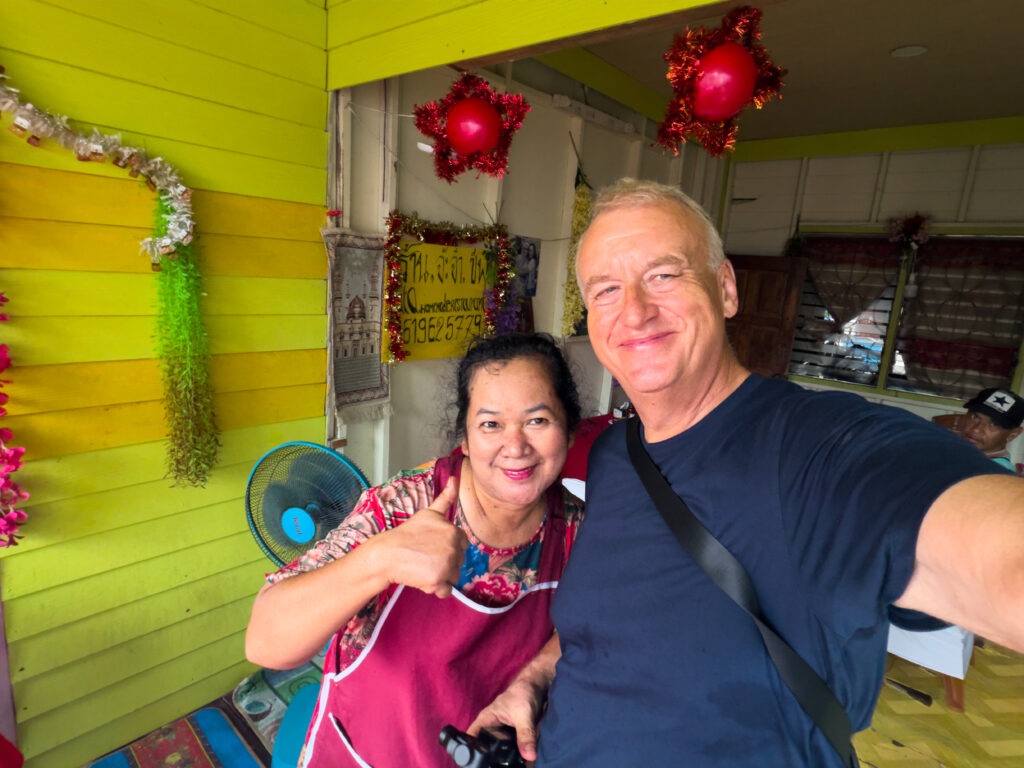
From inside, it feels like a normal neighbourhood.
Children go to school, residents shop for everyday necessities and fishermen continue working around the village.
The Story Behind Koh Panyee
The community’s origins reach back more than two centuries.
Koh Panyee was established by seafaring Muslim families from the Indonesian archipelago in the late 18th century. The settlers were fishermen searching for a suitable place to establish a community in the waters around what is now Phang Nga Bay.
One of the most widely told stories centres around a man named Toh Baboo.
According to local tradition, the settlers agreed that whoever discovered a suitable place to live would raise a flag to signal the others. Toh Baboo found the bay and raised a flag on the limestone island, giving rise to the name associated with the community. The name Panyee is linked to Pulau Panji, meaning “Flag Island”.
Over generations, the settlement expanded across the shallow water surrounding the island.
What began as a fishing community eventually became the extraordinary village visitors see today.
Why Build on the Sea?
The answer is partly geography and partly history.
The early settlers depended on fishing but had limited access to land. Historical accounts commonly describe restrictions on land ownership for foreigners in Thailand at the time, encouraging the community to build its homes over the water instead.
The arrangement also kept the fishermen close to the waters that supported their livelihoods.
Over time, the settlement developed its own infrastructure.
Today, the village includes a mosque, school, health centre, shops and restaurants alongside the homes of the community. The Tourism Authority of Thailand describes fishing and tourism-related activities such as food and souvenir sales as important parts of the local economy.
The village therefore feels less like an attraction and more like a small town that happens to stand above the sea.
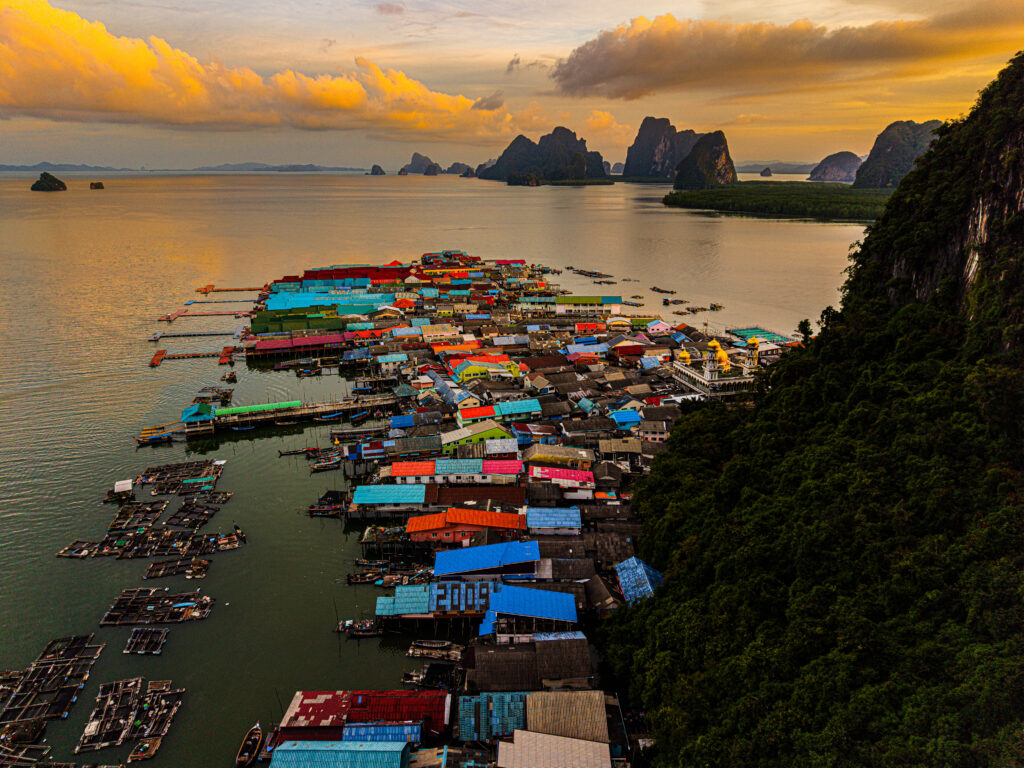
Life as a Fishing Village
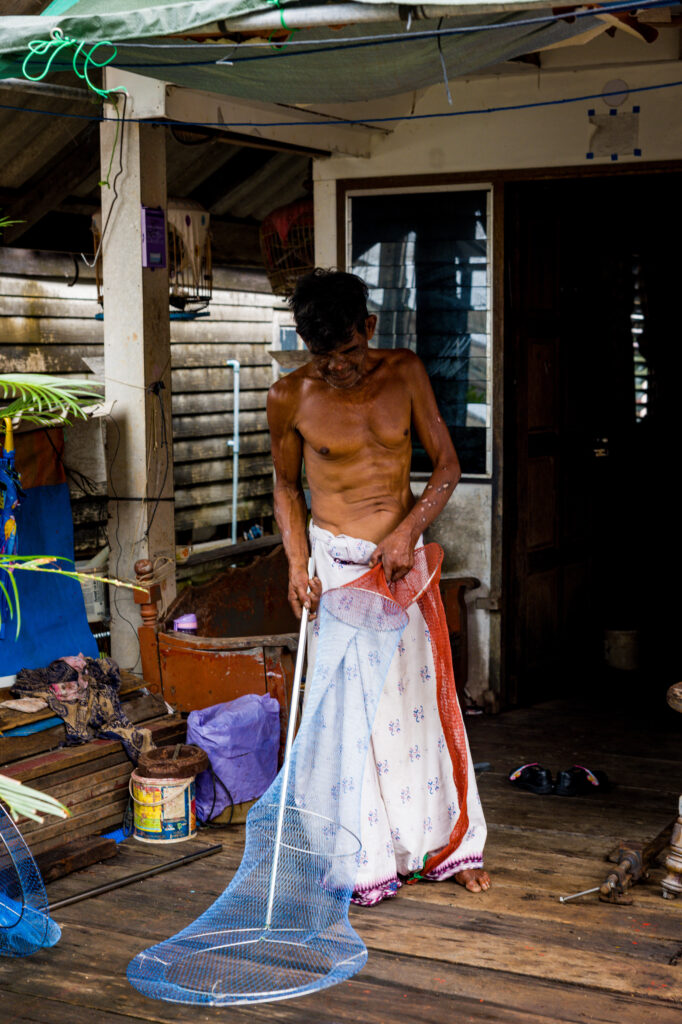
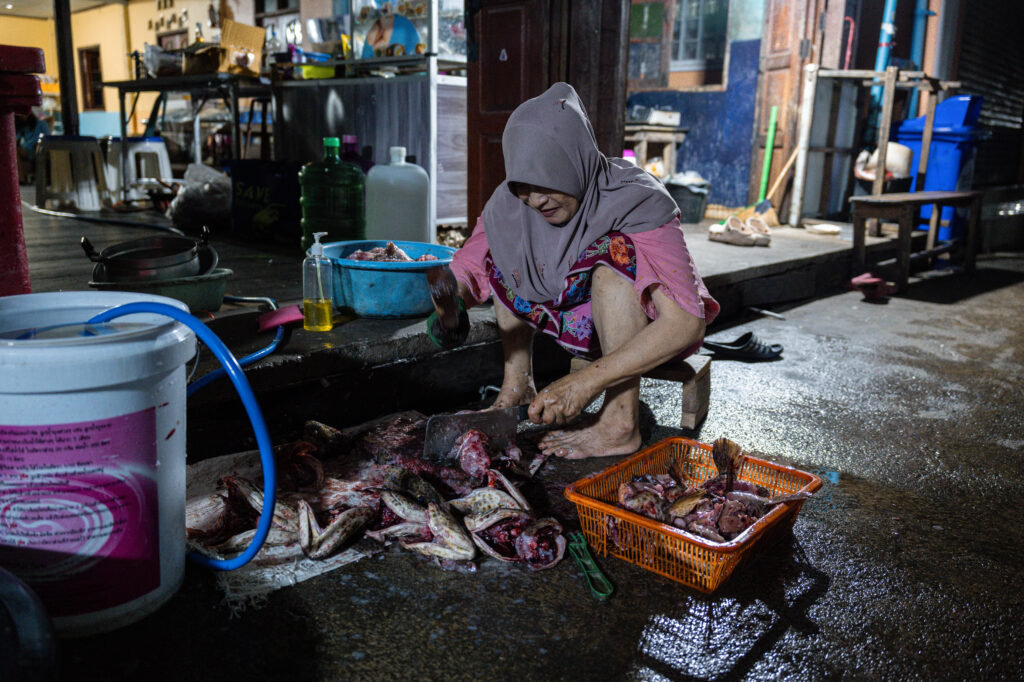
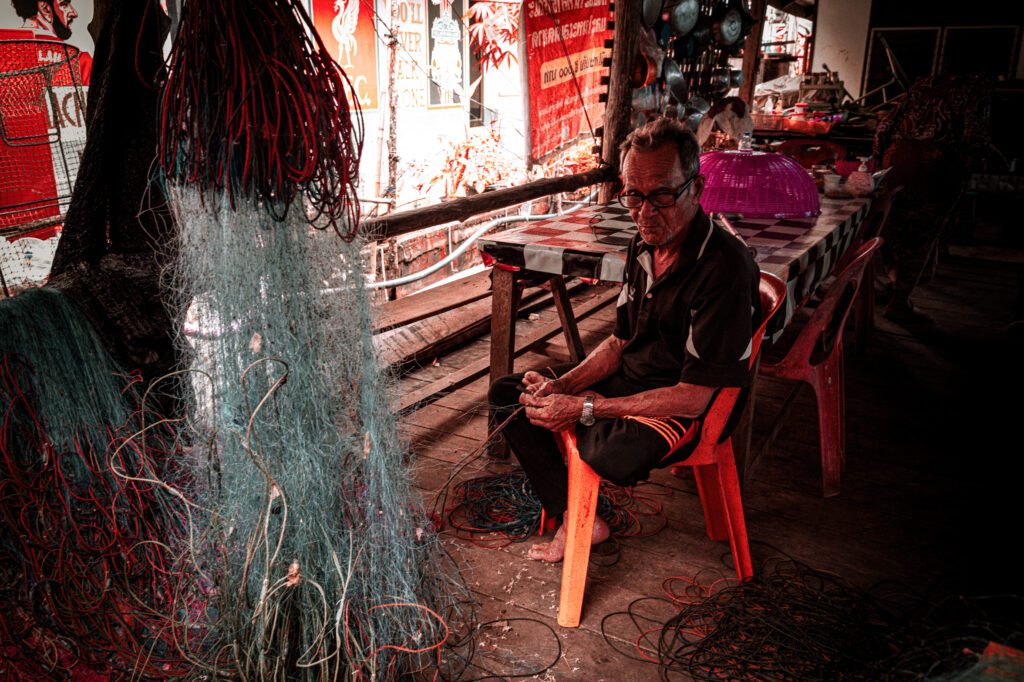
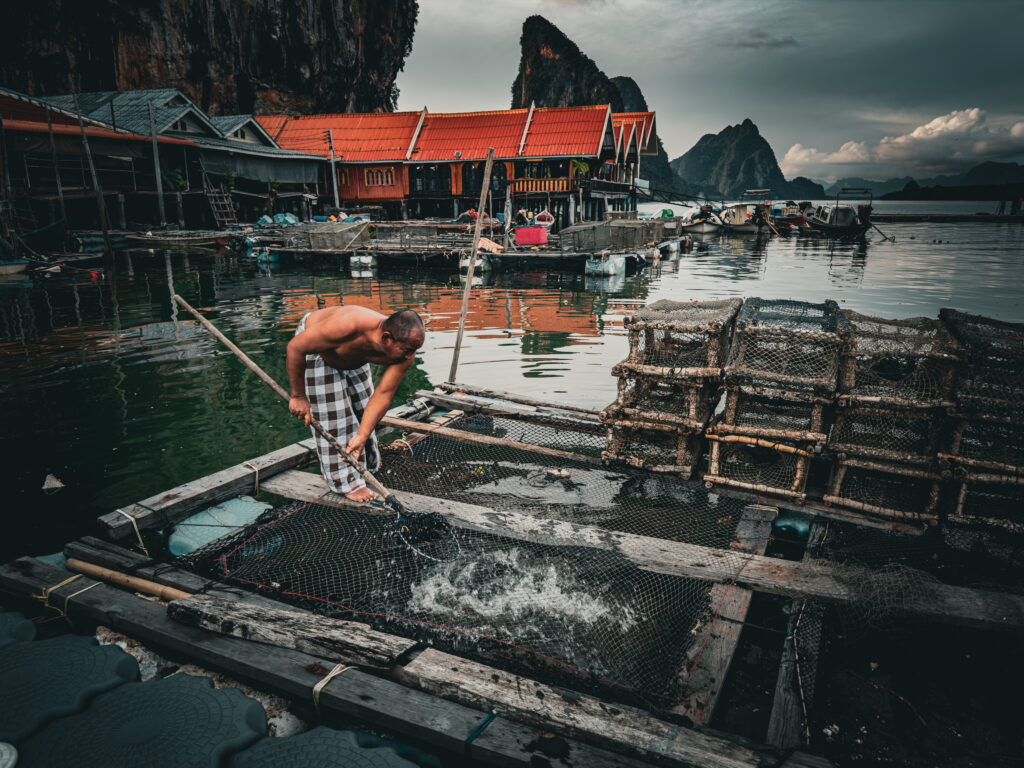
Fishing remains part of everyday life on Koh Panyee.
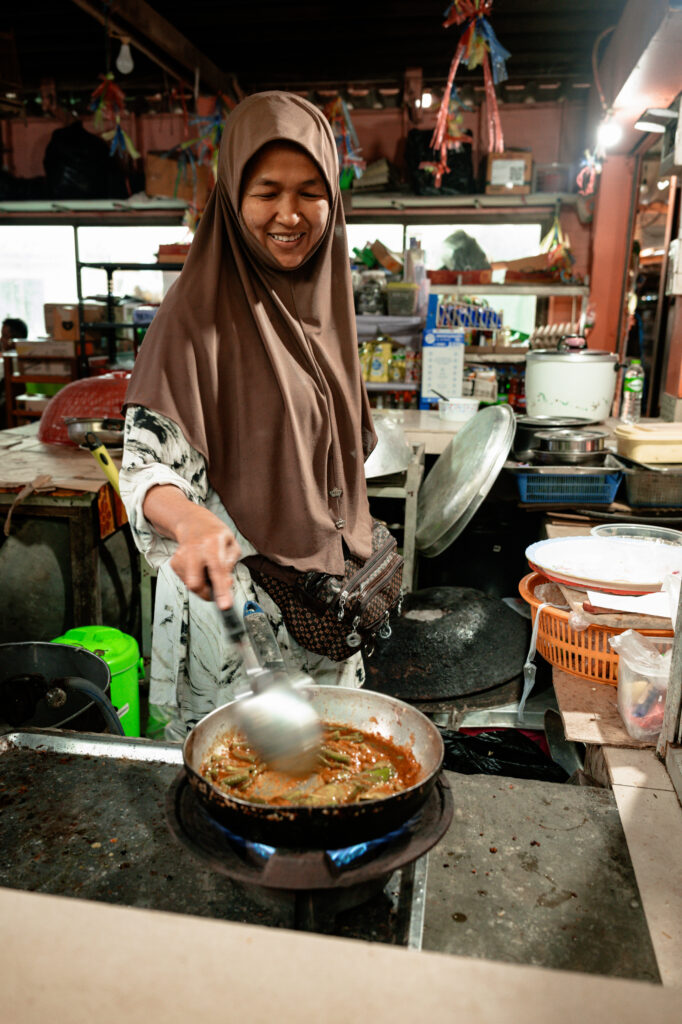
The surrounding waters provide fish and shellfish, while fish farming and other marine activities also contribute to the community. Fresh seafood is served in the village’s restaurants, creating a direct connection between the surrounding sea and what eventually reaches the dinner table.
Tourism has added another layer.
As visitors began arriving in greater numbers, residents opened restaurants, souvenir shops and other businesses to serve them. Today, tourism provides an important source of income alongside traditional fishing.
That combination is what makes Koh Panyee interesting.
The village has adapted to tourism without losing its connection to the sea.
The Mosque at the Centre of Village Life
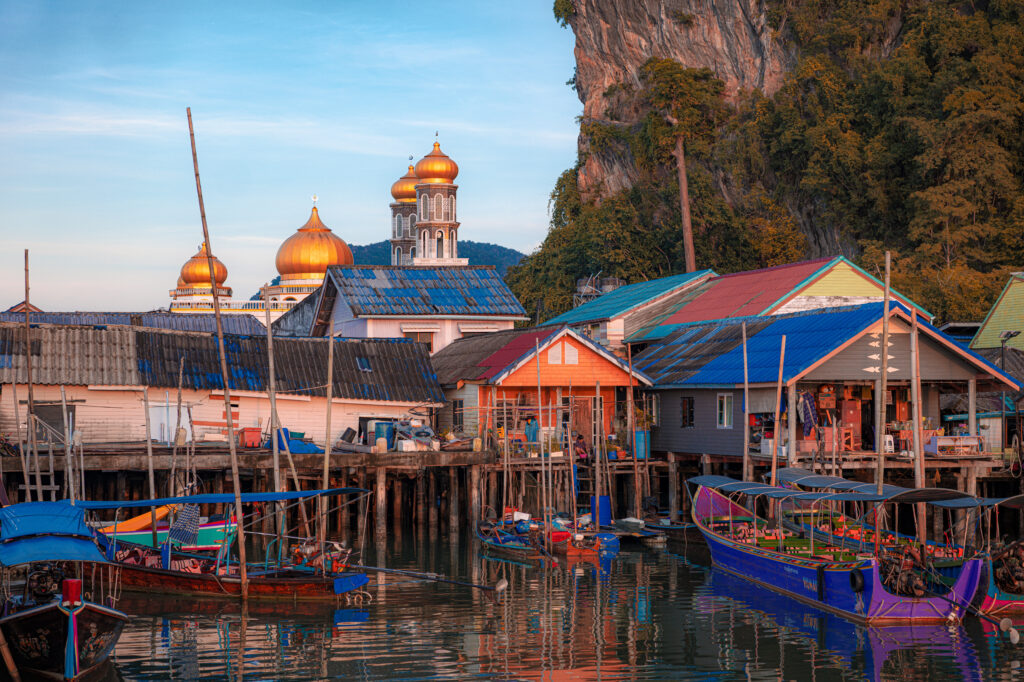
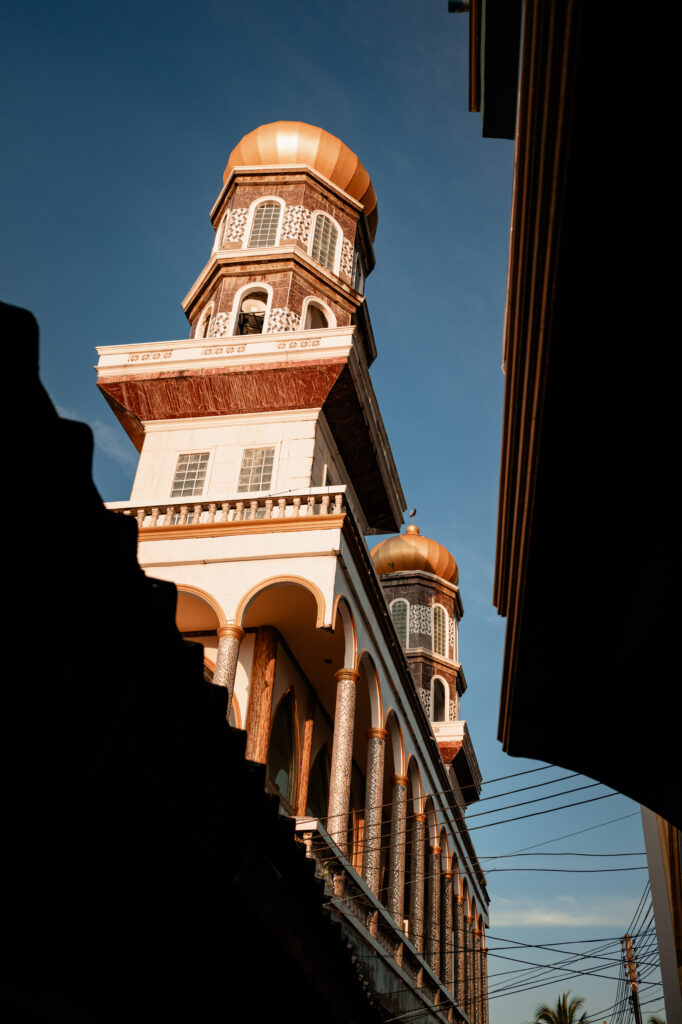
One of the first things you notice from the water is the mosque.
The Darul Aman Mosque stands prominently within the community and serves the predominantly Muslim population. Its position makes it one of the village’s most recognisable landmarks.
Its presence also provides an important reminder that Koh Panyee is a Muslim community first and a tourist destination second.
Visitors are welcome, but the village has its own customs and rhythm.
Dress modestly, particularly around the mosque, and treat residential areas as someone’s home rather than a backdrop for photography.
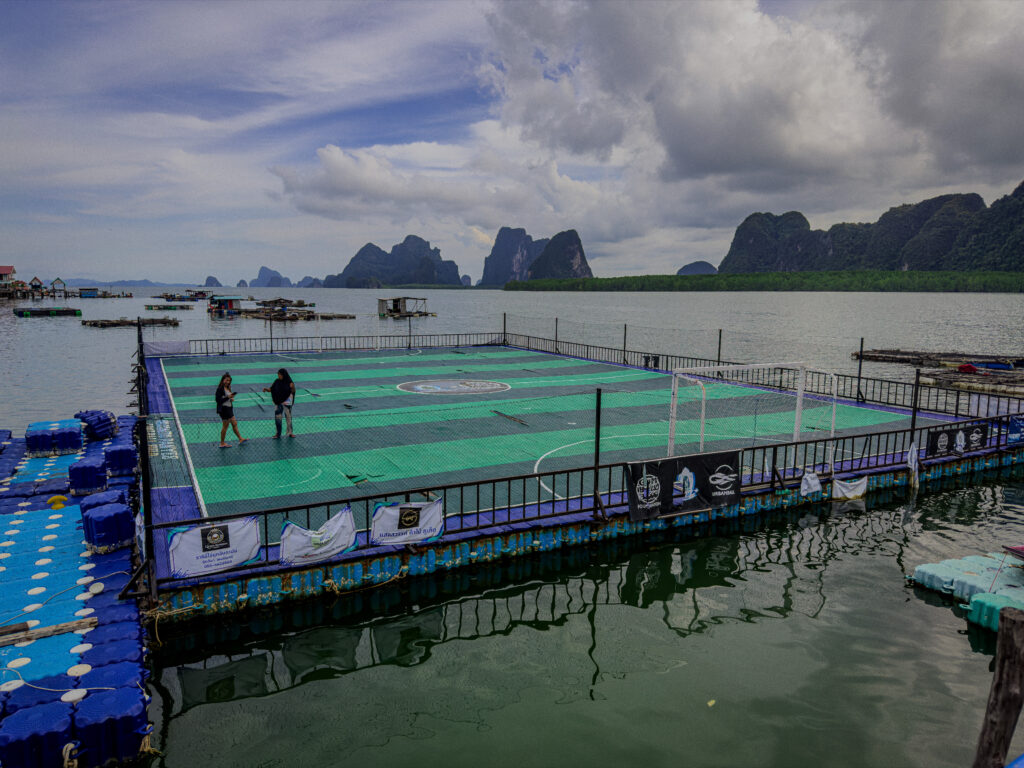
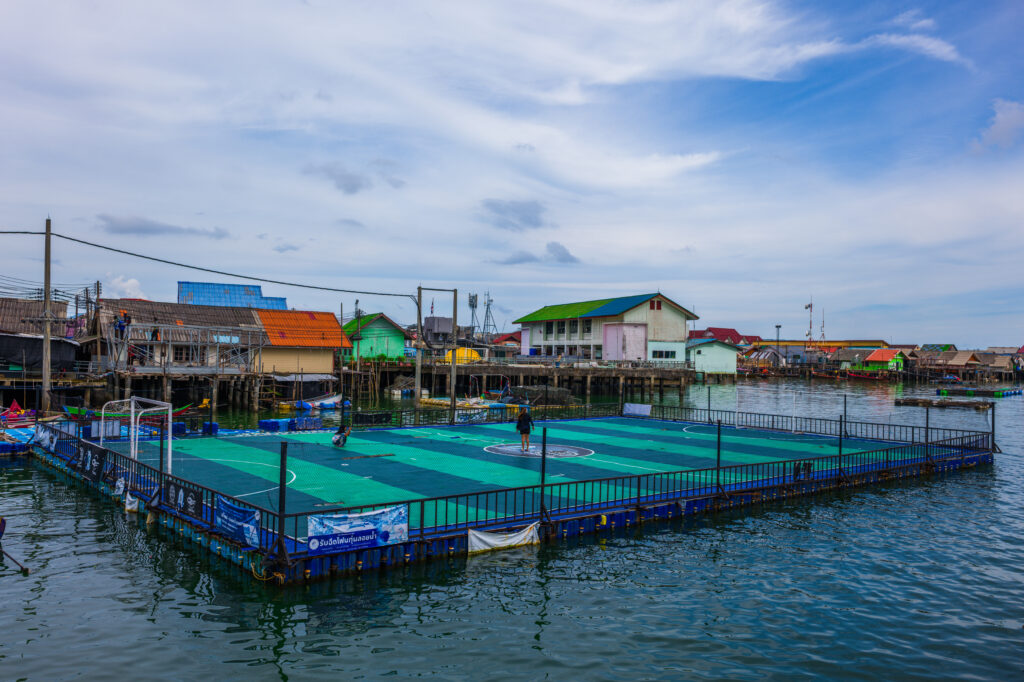
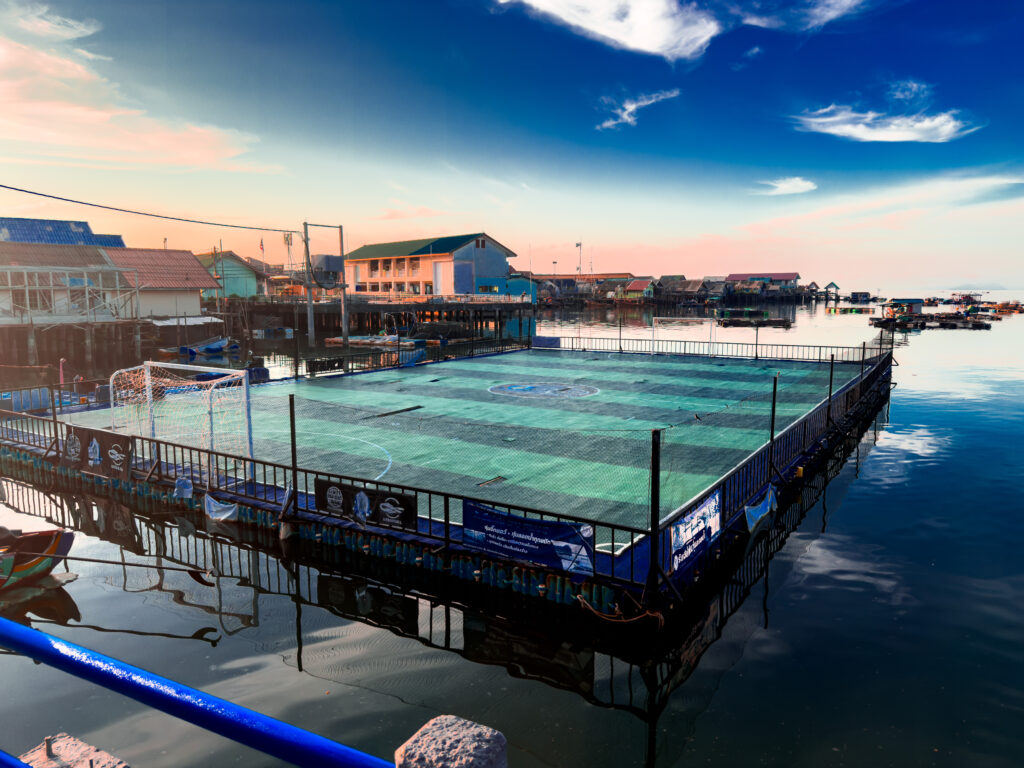
The Floating Football Pitch
Then there is the football pitch.
It may seem like an unusual feature in a fishing village built above the sea, but its story has become one of Koh Panyee’s most famous.
In 1986, a group of local children became inspired by the FIFA World Cup and decided they wanted to play football themselves. The problem was simple: there was almost no flat land on which to play.
So they built their own pitch over the water.
The original was constructed from scraps of wood and fishing materials. The surface was uneven, the ball frequently fell into the sea and the children often played barefoot. Despite the conditions, the group formed Panyee FC and went on to compete in mainland competitions.
The story later became internationally known through a 2011 advertising campaign based on the team’s experience.
The pitch became more than a place to play.
It became a symbol of how the community found creative solutions to the limitations of island life.
The Village After the Tour Boats Leave
This is when Koh Panyee becomes particularly interesting.
Most visitors arrive as part of a daytime Phang Nga Bay tour. During the middle of the day, the narrow walkways can become crowded as tour groups arrive for lunch, shopping and a quick look around. Recent visitor guidance places the busiest period around 11:00 AM to 1:00 PM.
Then the boats begin to leave.
The souvenir shops become quieter, restaurants lose their tour groups and the walkways return to the pace of village life.
This contrast is one of the strongest reasons to stay longer.
The village changes from a tourist stop into a residential community again.
Koh Panyee at Sunset
Late afternoon offers a completely different atmosphere.
With the large tour groups gone, the limestone cliffs begin catching the softer light while boats move between the houses and the surrounding bay.
Some visitors stay overnight specifically to experience this quieter side of the village. Local accommodation is limited, which makes an overnight stay feel very different from arriving as part of a large day tour.
The evening is also when the village becomes easier to appreciate as a place where people live.
Children play, residents return home and the sounds of tourism gradually give way to the ordinary rhythms of the community.
How to Experience Koh Panyee
For the classic experience, Koh Panyee is usually visited as part of a Phang Nga Bay boat trip.
Many tours combine the village with other attractions in the bay, making it easy to see several locations in a single day.
However, arriving independently gives you greater control over your timing.
From Surakul Pier in Phang Nga, a longtail boat can reach Koh Panyee in roughly 20 minutes according to local visitor information. Arriving before the main tour groups means you can explore while the village is quieter.
If you want to understand the village beyond its famous photographs, the ideal approach is simple:
Arrive early.
Walk beyond the main tourist area.
Look at the homes, walkways and fishing activity.
Then stay until the crowds disappear.
What Makes This Experience Special?
There are plenty of floating villages around the world.
Koh Panyee stands out because it is both extraordinary and ordinary at the same time.
The architecture looks almost impossible, yet it functions as a normal community. There are schools, shops, restaurants, religious spaces and family homes, all connected above the sea.
Its history makes the experience even more fascinating.
A community established by seafaring Muslim families more than two centuries ago has adapted to modern tourism while maintaining its fishing heritage and cultural identity.
Then there is the football pitch: an unlikely symbol of a village where children had to build their own piece of land because there was nowhere else to play.
Koh Panyee is ultimately a story about adapting to the landscape rather than trying to change it.
Practical Information
- Starting Point
Koh Panyee is located in Phang Nga Bay, Phang Nga Province. Boats commonly reach the village from piers on the Phang Nga mainland, while organised tours operate from Phuket and other nearby destinations.
- Best Time to Visit
Arriving before 10:00 AM offers a quieter experience before the main tour boats arrive. The busiest period is generally around 11:00 AM to 1:00 PM.
- How Long to Spend
Most organised tours allow roughly 45 minutes to an hour for the village. If you want to explore beyond the main tourist section, allow several hours or consider staying overnight.
- Food
Fresh seafood is one of the main draws, with fishing remaining an important part of the local economy.
- Photography
The village is exceptionally photogenic from the water, particularly with the limestone cliffs behind the stilt houses. Inside the village, photograph respectfully and avoid treating private homes or residents as attractions.
- Local Customs
Koh Panyee is a predominantly Muslim community. Dress modestly, particularly around the mosque, and respect local customs. Alcohol is not sold in the village.
One Hour Tourist Verdict

Koh Panyee can easily be experienced in an hour.
You can walk through the main village, see the mosque, visit the famous football pitch, eat fresh seafood and be back on the boat before the next stop on your Phang Nga Bay itinerary.
But the OneHourTourist experience is better when you look beyond the obvious.
Come early before the tour groups arrive, or stay until the afternoon crowds disappear. That is when the village begins to reveal itself as a real community rather than simply a tourist attraction.
For a place that appears to float in the middle of the sea, Koh Panyee is surprisingly grounded.
Its story is about fishermen, families, faith, football and adapting to life on the water.