
Why Visit?
Hanoi Train Street has become one of the city’s most photographed experiences because of the extraordinary proximity between the railway and the surrounding buildings.
The railway itself dates back to the French colonial period, with the line through Hanoi constructed in the early 20th century. What was once simply part of the city’s railway infrastructure gradually became a local curiosity before social media turned the narrow stretch of track into an international attraction.
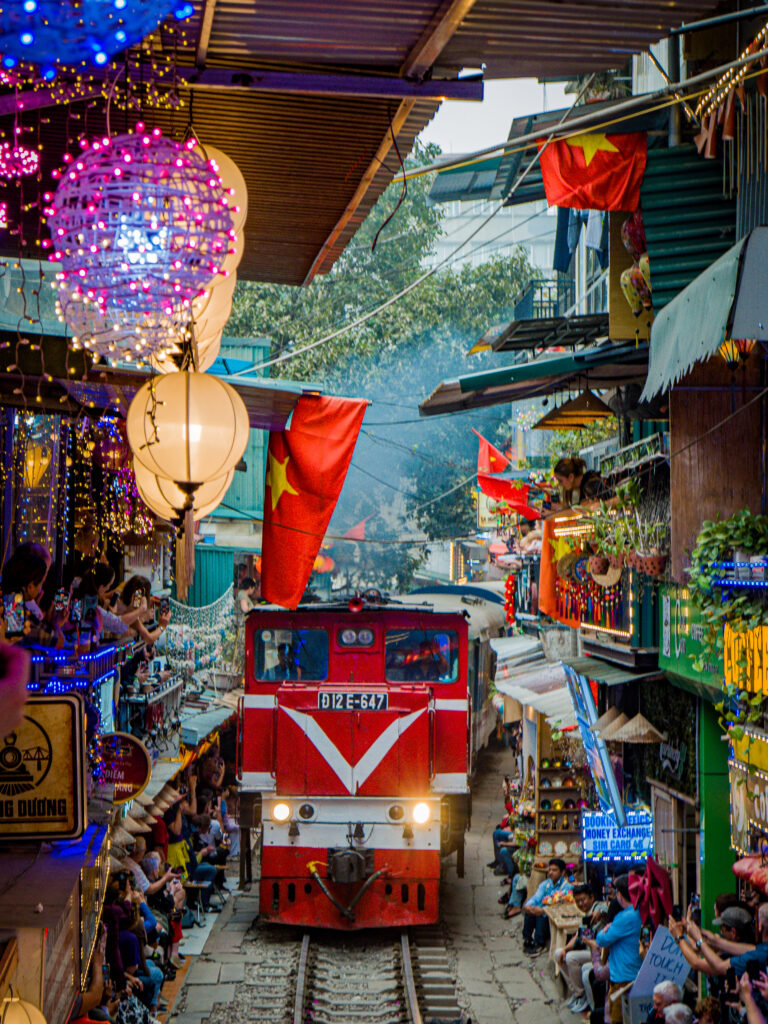
Today, the scene is very different from an ordinary railway station. Cafés and homes sit immediately alongside the tracks, while visitors wait for the brief moment when a working train passes through.
A Railway Through the Heart of Hanoi
The railway was built long before Train Street became a tourist attraction.
The line was established during the French colonial period and continues to form part of Hanoi’s active railway network. Over the decades, houses and businesses developed around the existing railway, leaving remarkably little space between the tracks and the surrounding buildings.
For residents, the railway is part of everyday life. For visitors, seeing a full-sized train move through such a narrow residential environment can feel almost surreal.
That contrast is what eventually made the street famous.
Waiting for the Train
Most of the experience happens before the train arrives.
Visitors gather inside cafés or along the edges of the street while waiting for the next service. The atmosphere can feel surprisingly relaxed at first. People drink coffee, take photographs and chat while the railway remains completely empty.
Then the mood changes.
Café staff begin clearing tables and asking visitors to move back. Conversations become quieter as the sound of the approaching train gets louder. Everyone knows what is about to happen, yet there is still something exciting about seeing it arrive.
The anticipation is almost as memorable as the train itself.
When the Train Arrives
The train appears at the end of the narrow street and quickly fills the view.
There is barely any room between the carriages and the buildings as it passes through. For a few seconds, the railway dominates everything around it. The sound of the engine, the movement of the carriages and the sudden rush of air make the moment feel much larger than the short stretch of track suggests.
Then it is gone.
Within seconds, the street returns to normal. Tables come back out, conversations resume and people begin looking at the photographs they have just taken.
The entire spectacle can be over almost as quickly as it began.
More Than a Photo Opportunity
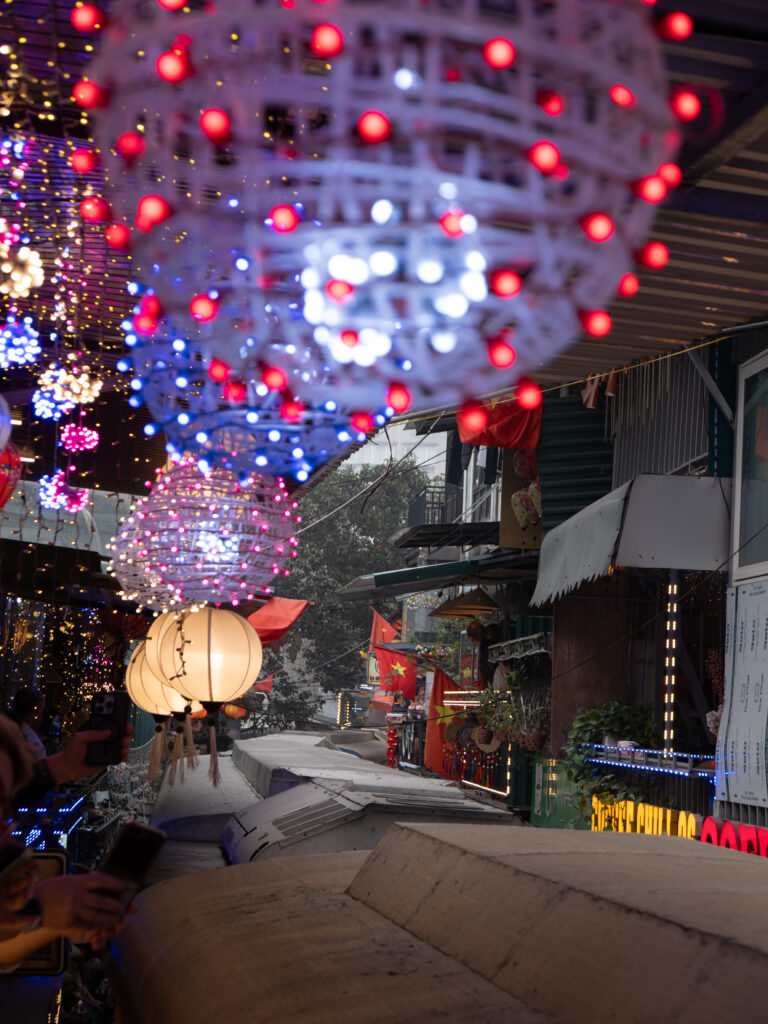
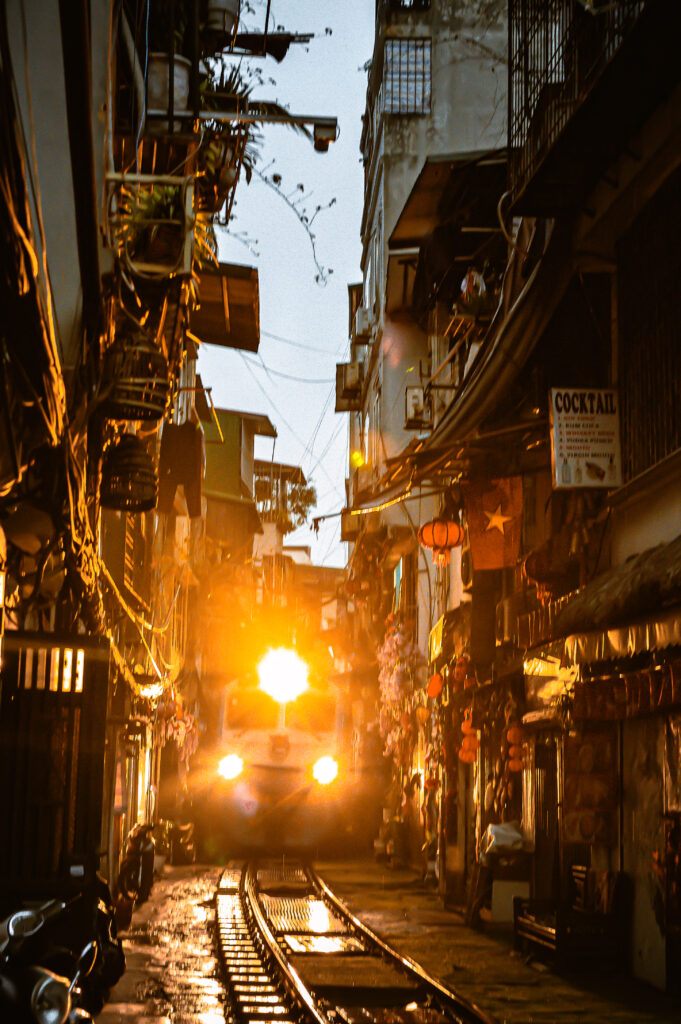
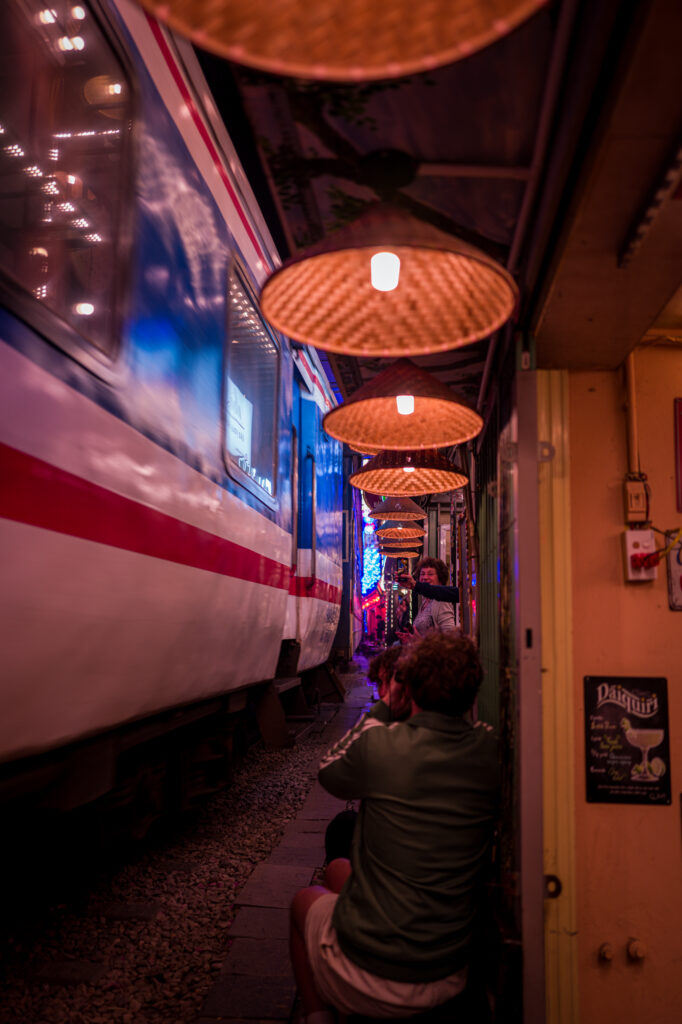
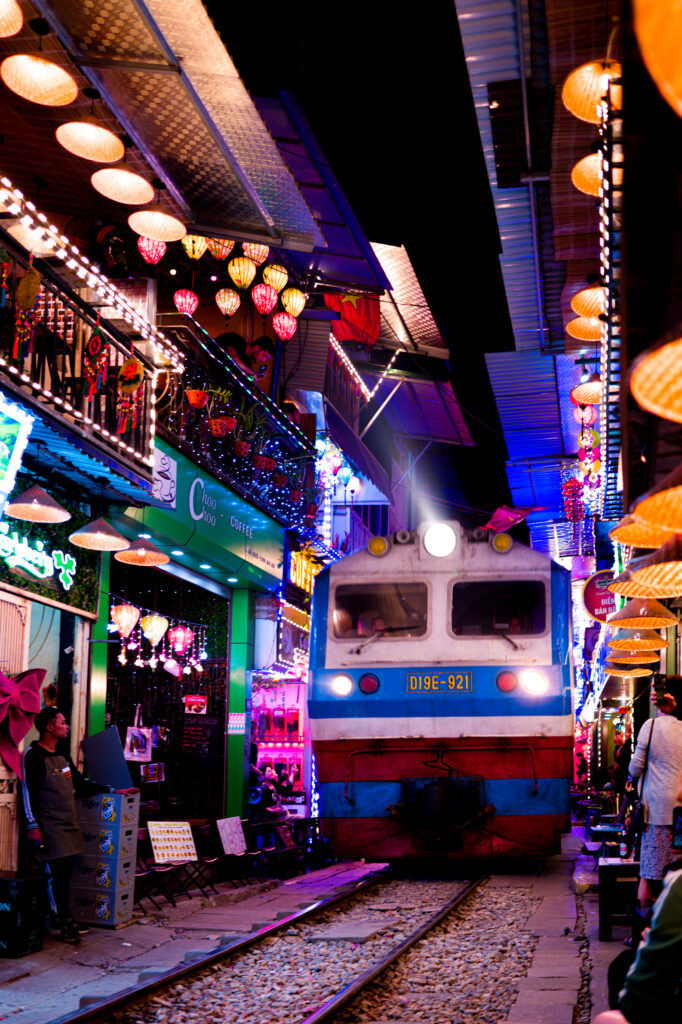
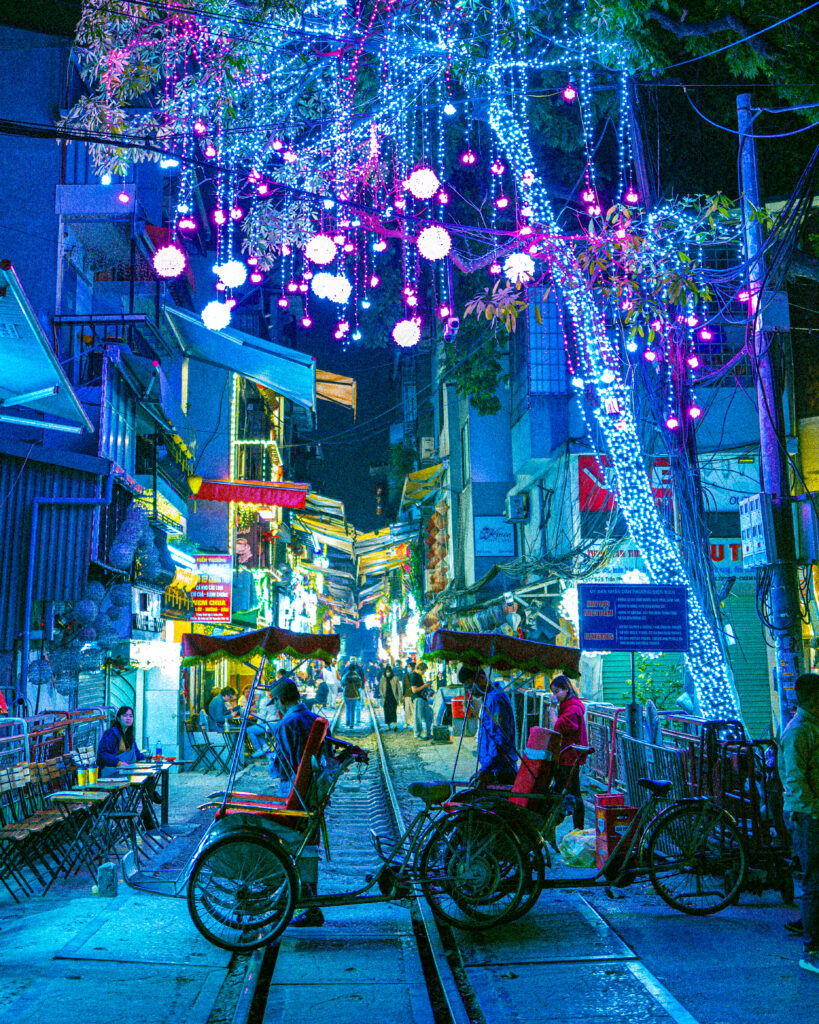
It is easy to see why Train Street became popular on social media. The images are unusual enough to immediately capture attention.
But spending time there reveals something more interesting.
This is still a residential neighbourhood and an active railway line. People live beside the tracks, cafés operate along the narrow street and trains continue to use the railway for ordinary journeys. The spectacle exists because tourism has grown around something that was already part of everyday Hanoi.
That is what makes the experience different from a purpose-built attraction.
A Changing Tourist Attraction
Train Street has also become one of Hanoi’s more complicated visitor experiences.
Authorities have repeatedly restricted access because of safety concerns. In 2019, access was officially restricted, and barriers and police checks have been introduced at various points since then. Restrictions can vary between sections of the railway and can change depending on current conditions.
Some cafés continue to operate around the tracks, but visitors should never assume that access will be available simply because photographs of the area are still circulating online.
The railway remains active, and safety has to come before getting the perfect photograph.
How to Experience It
If access is available during your visit, the simplest way to experience Train Street is to visit one of the cafés along the permitted sections of the railway and wait for a passing train.
The exact location and access arrangements can change, so it is worth checking locally on the day rather than relying entirely on an old timetable found online. Recent travel information also recommends confirming the current situation with local café operators or authorities before visiting.
Once inside an authorised viewing area, follow the instructions of the café staff and move away from the tracks when the train approaches.
The experience is short enough that you do not need to spend an entire afternoon waiting.
What Makes This Experience Special?
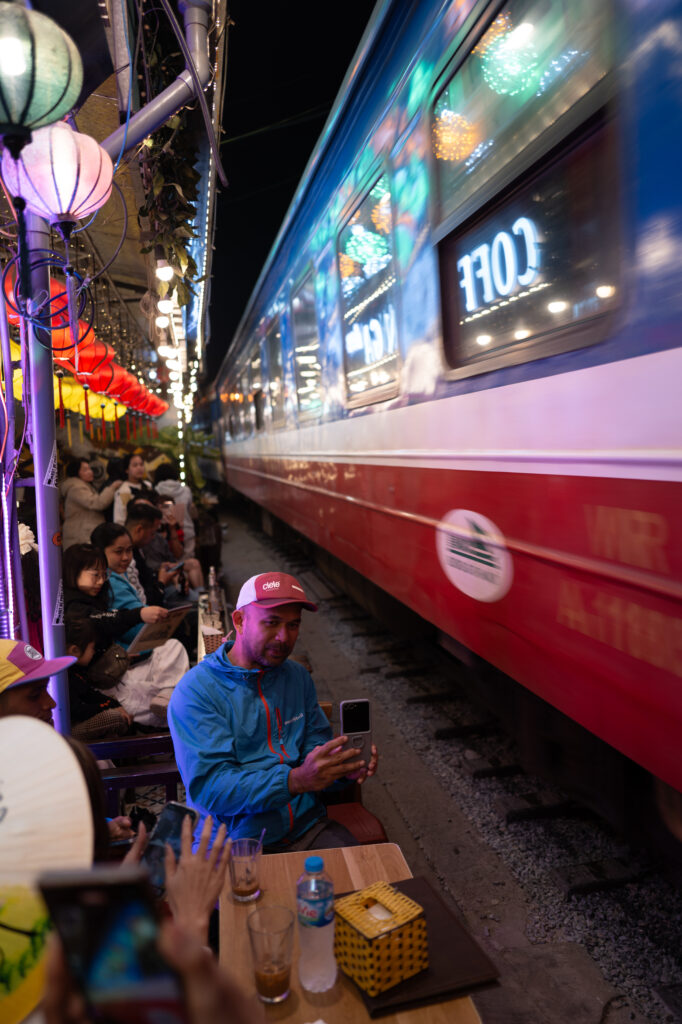
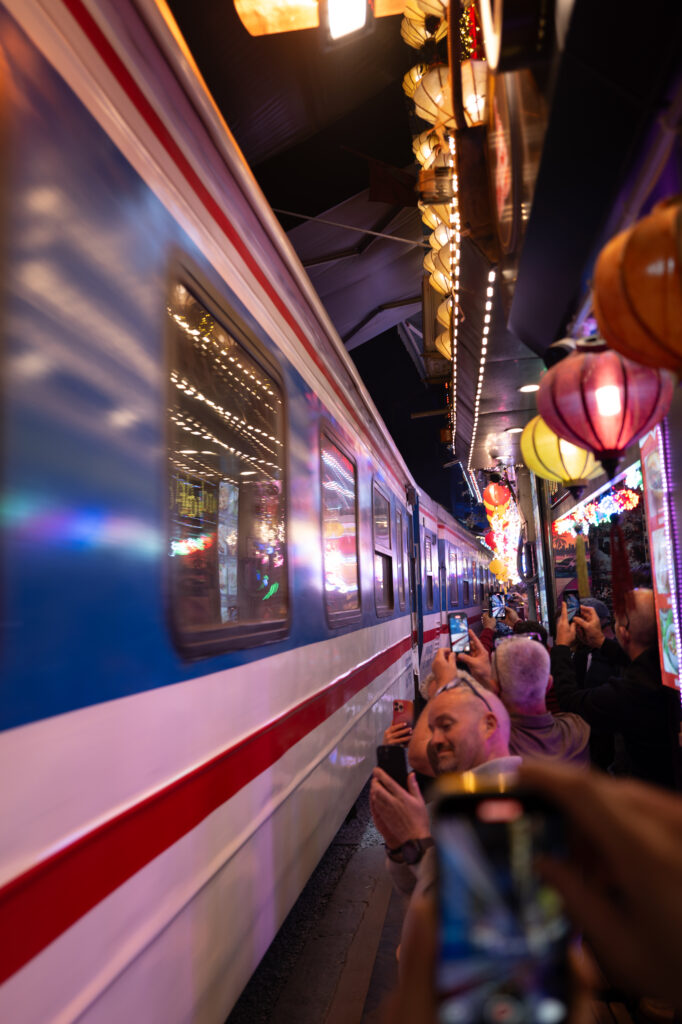
Hanoi has plenty of historic buildings, markets and temples, but Train Street offers something completely different.
It is a place where an ordinary part of urban infrastructure has become an unexpected meeting point between local life and tourism. The railway was there first. The homes and businesses grew around it, and visitors eventually arrived to watch the trains pass.
For a few seconds, all of these worlds come together.
Then the train disappears and the neighbourhood returns to its normal rhythm.
Practical Information
- Location
Train Street has several sections around central Hanoi, including areas near Phùng Hưng, Trần Phú and Lê Duẩn. Conditions and access can vary between sections.
- Best Time to Visit
There is no single train time that can be relied upon throughout the year. Schedules can change, so check locally before planning your visit.
- Access
Access restrictions are periodically enforced, and some sections may be closed completely. Always confirm whether visitors are permitted to enter before travelling to the tracks.
- Photography
The train passes extremely close to the surrounding buildings. Photograph only from an authorised viewing area and follow instructions from café staff or local authorities.
- Duration
The train itself passes in less than a minute, but allow around 30–60 minutes if you want time to find an accessible viewing spot, have a drink and wait for the train.
One Hour Tourist Verdict
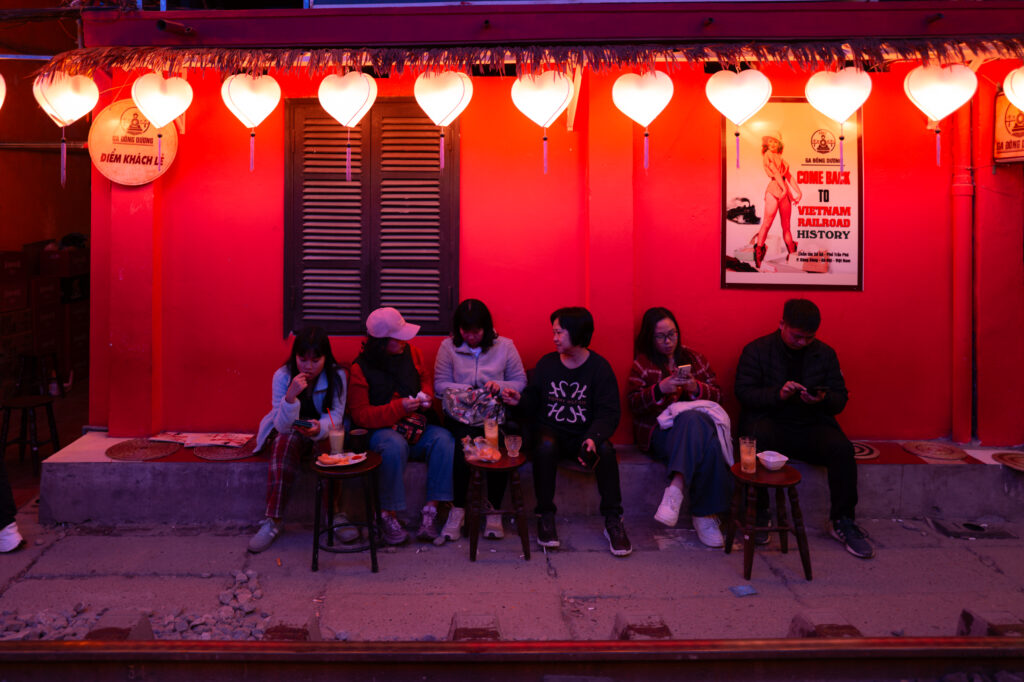
Hanoi Train Street is one of those experiences that seems almost impossible until you see it for yourself.
A railway line runs through a narrow residential neighbourhood, visitors gather around it and cafés continue operating only metres from the tracks. Then, for roughly 30 seconds, the entire street stops to make way for a passing train.
What makes it memorable is not simply the proximity of the train. It is the transformation that happens around it. A lively street becomes completely still, everyone watches the same few seconds unfold, and almost immediately afterwards, ordinary life resumes.
For OneHourTourist, that brief transformation captures what makes Hanoi so interesting. Sometimes an experience does not need hours to leave an impression. Sometimes 30 seconds is enough.