
Why Visit?
There is a good reason Cai Rang became famous.
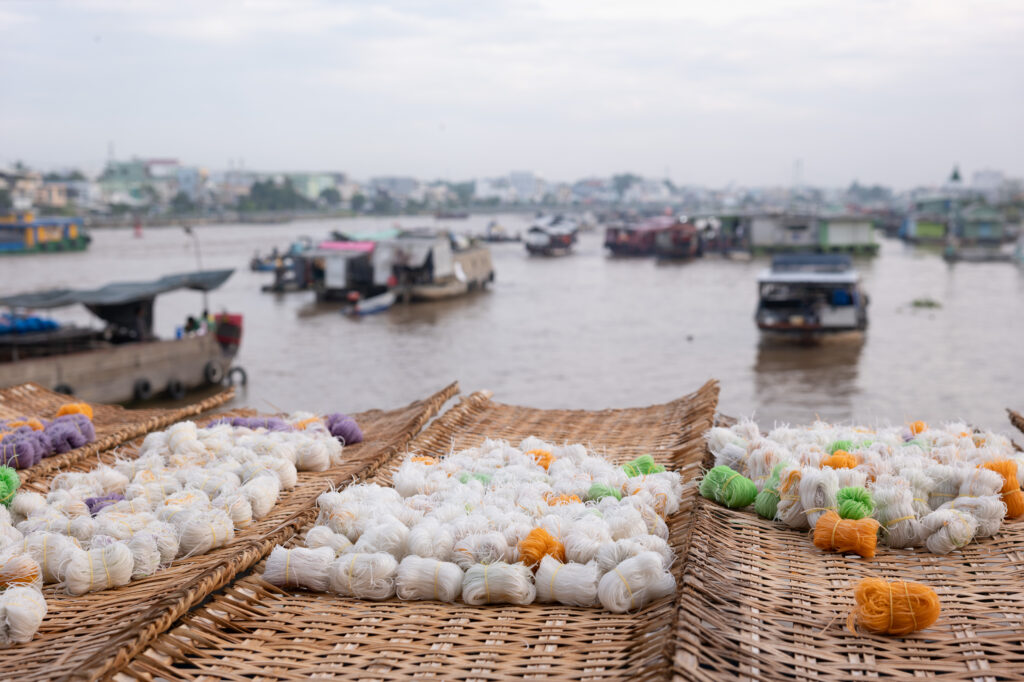
The floating market developed around the waterways of the Mekong Delta, where boats offered an efficient way to move agricultural produce between communities. The river remains an important trading route, and the market traditionally deals in fruit, vegetables and other goods brought in by boat.
The problem comes when the reality is compared with the image many visitors have seen beforehand.
Photographs show a river packed with colourful boats and enormous quantities of produce. Tourism videos often make it look like an untouched floating world waking up at sunrise.
The experience can feel considerably more tourist-oriented.
The Market Has Real History
Cai Rang is not a market invented for tourists.
Vietnam Tourism describes it as one of the Mekong Delta’s oldest cultural markets, with around 100 years of history. Its location on the Can Tho River made it an important place for boats from different parts of the Delta to meet and trade.
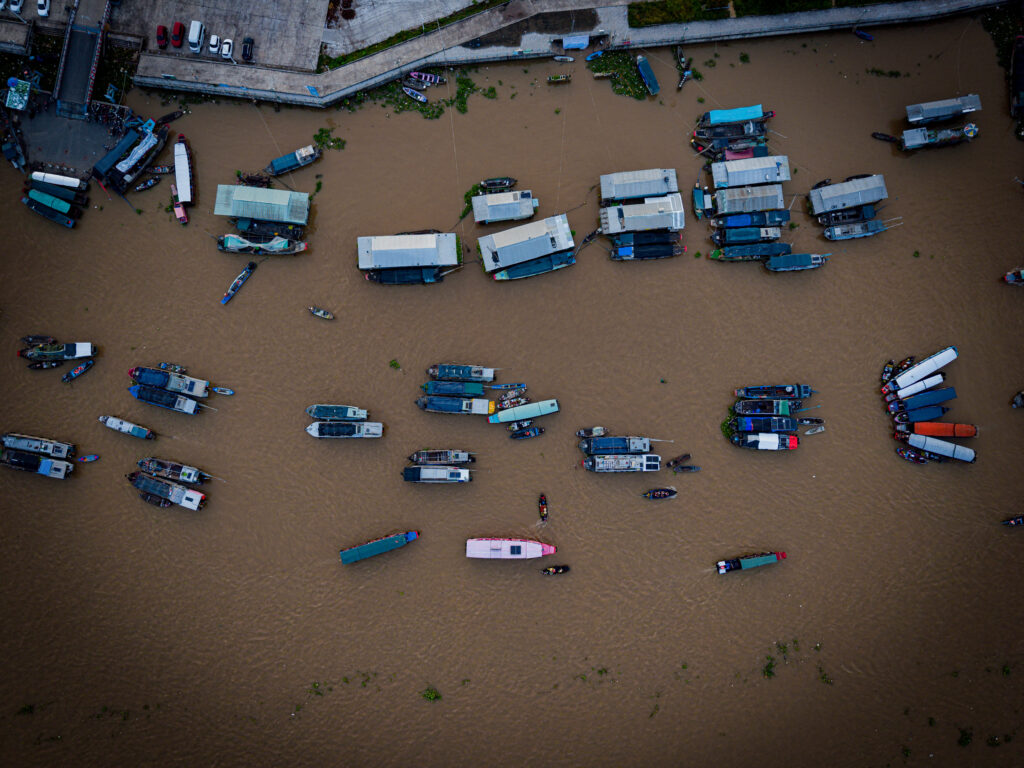
Local authorities have documented hundreds of boats operating in the market area, with agricultural produce, household goods, food and other products traditionally exchanged on the water.
That history is what makes the attraction interesting.
The challenge is seeing traditional market activity alongside today’s tourism industry.
What You See From the Tourist Boat
The standard experience starts before sunrise.
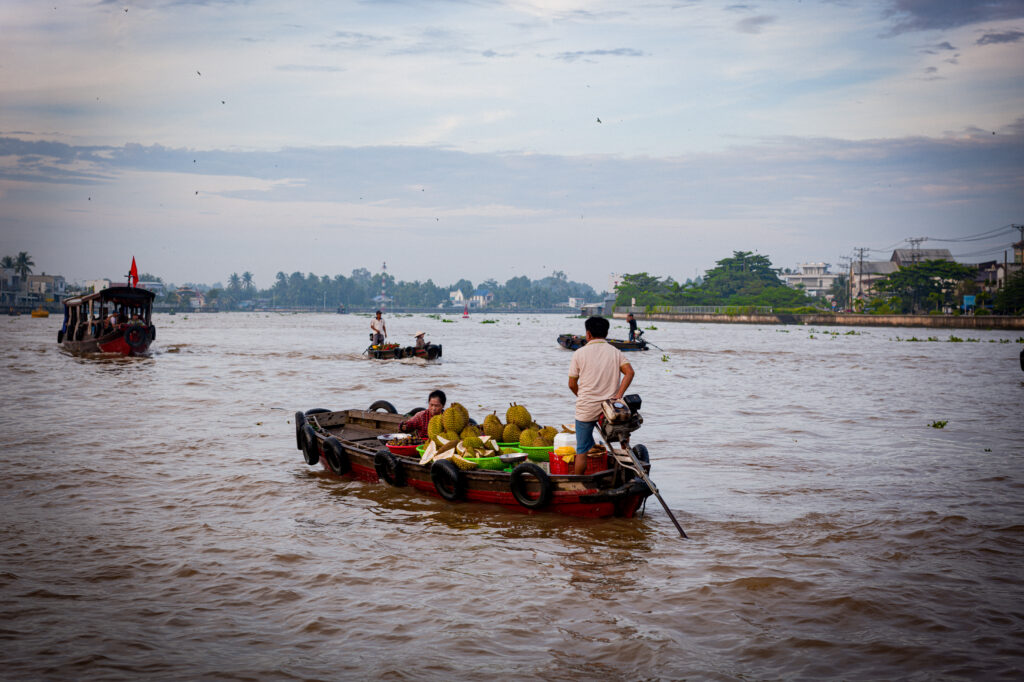
Visitors leave Can Tho by boat and travel towards Cai Rang as the sky begins to brighten. Vietnam Tourism recommends getting on the water around 5–6 AM, when the market reaches its busiest period. Official tourism information places market activity roughly between 4:30 and 8 AM, while recent local safety guidance describes activity continuing until around 9 AM.
The first boats you encounter may be exactly what you expected.
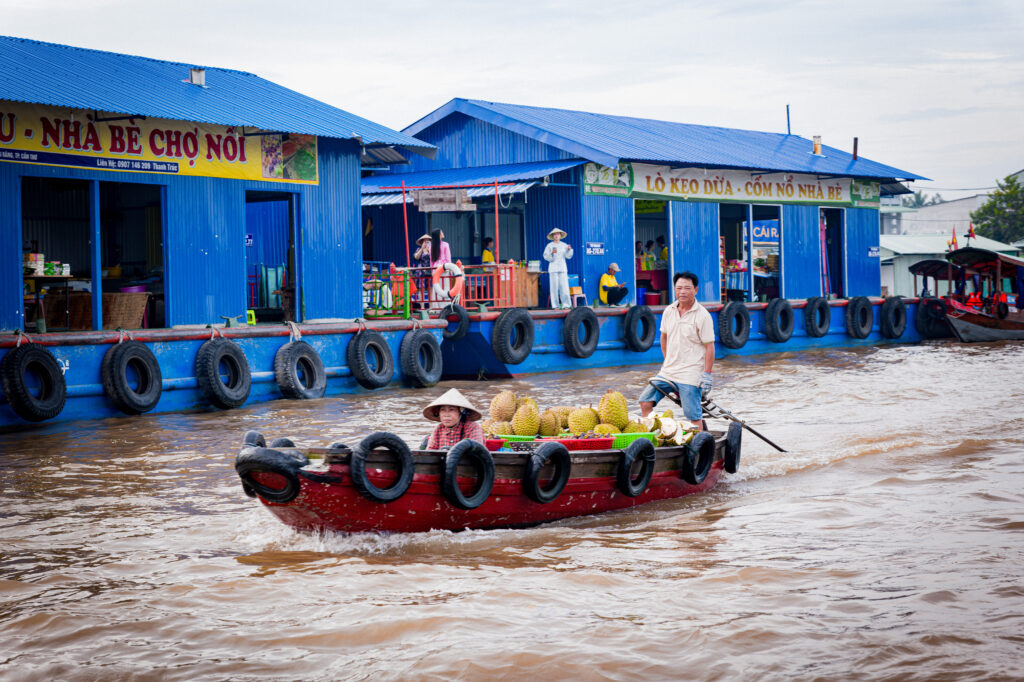
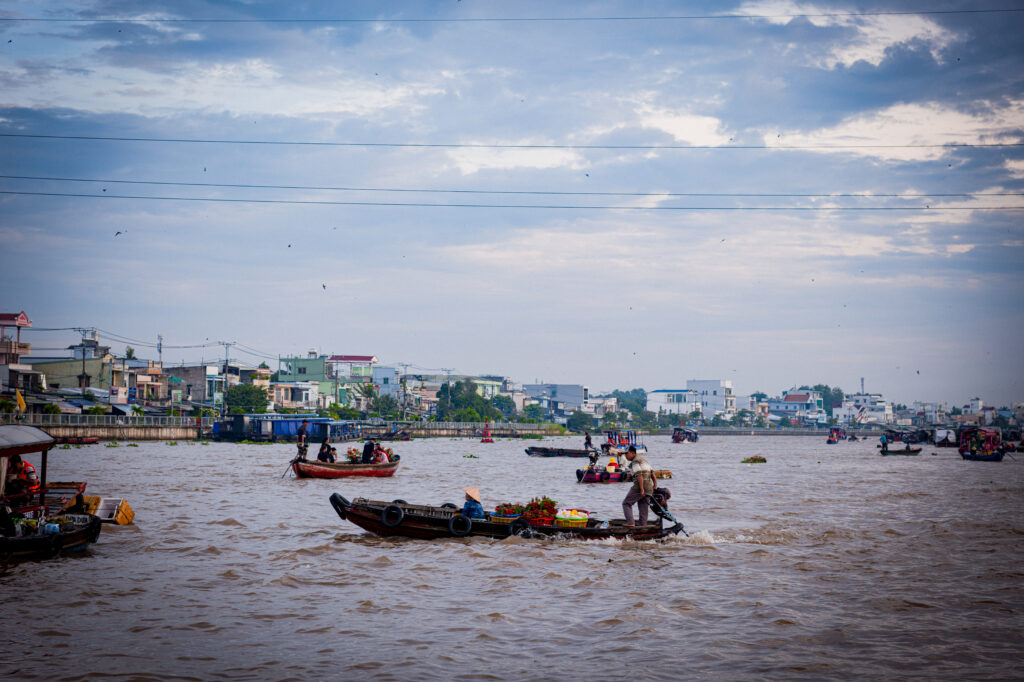
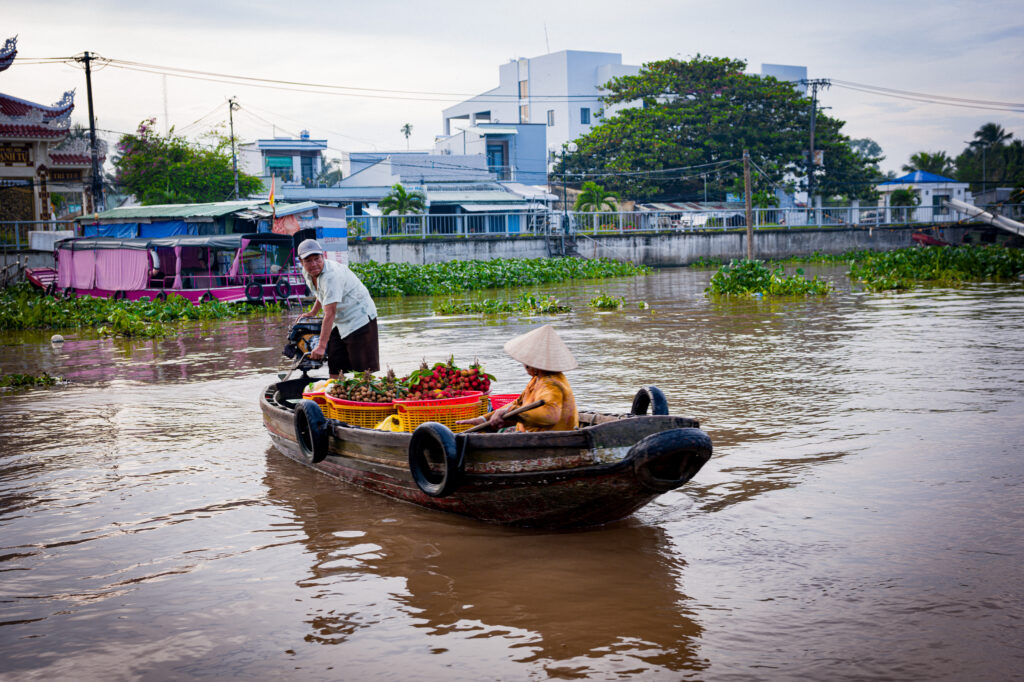
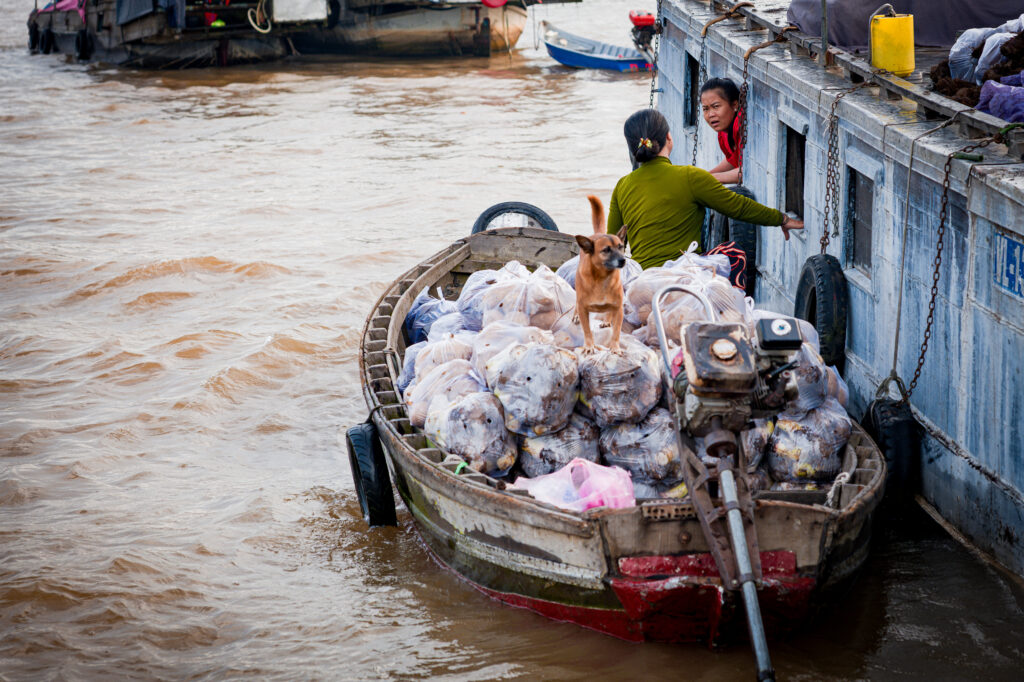
Large wooden boats carry fruit and vegetables. Smaller boats move between them. Breakfast boats sell noodles, coffee and drinks.
Then you start noticing something else.
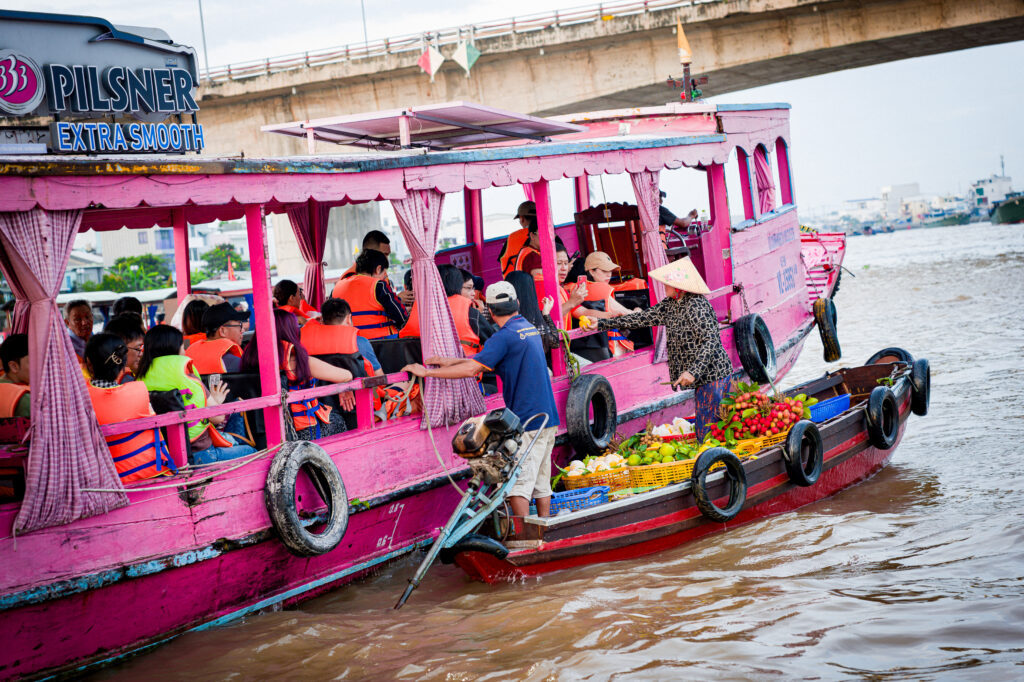
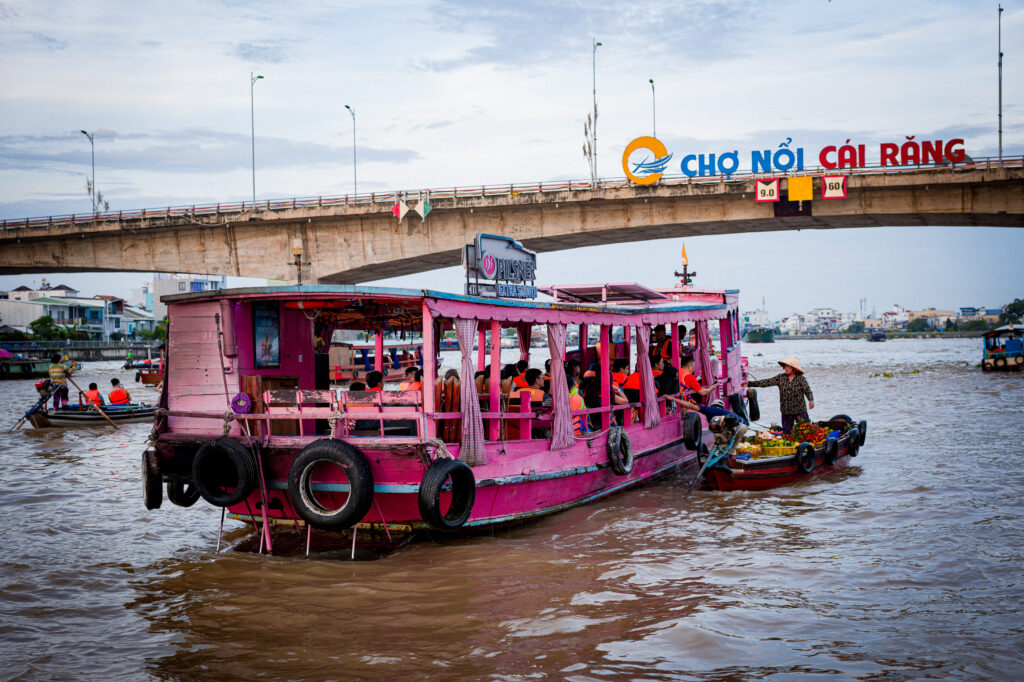
There are plenty of tourist boats.
The Famous Boat Poles
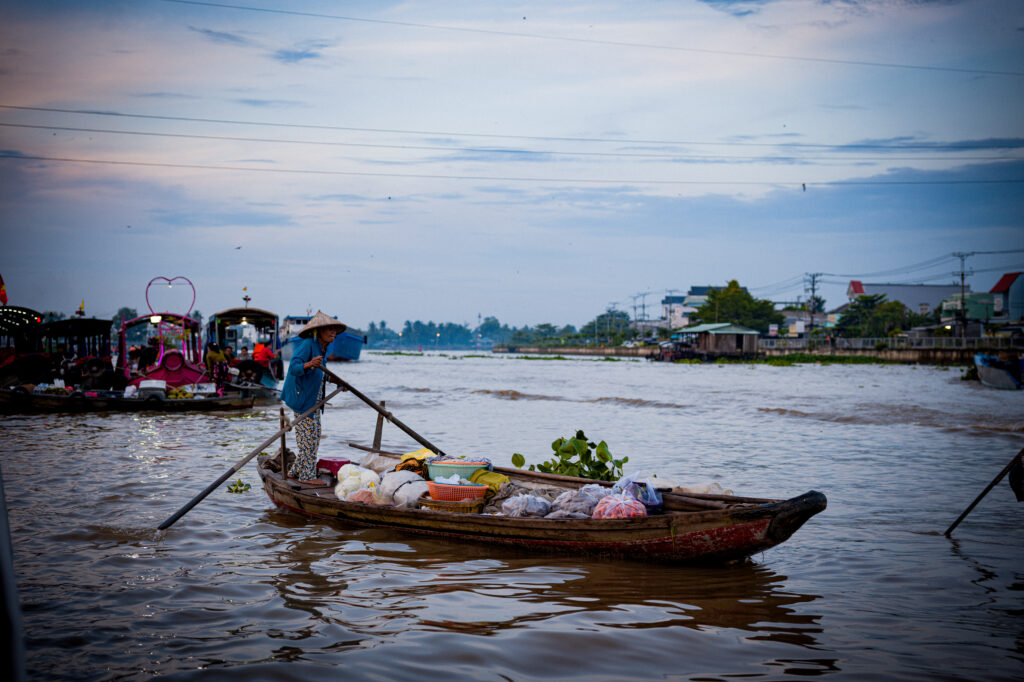
One of the most interesting traditional features is the cây bẹo.
A long pole is placed on a trading boat with samples of the products being sold hanging from it. If a boat has pineapples hanging from its pole, for example, buyers know what is available without anyone having to shout across the river.
It is essentially an old-fashioned floating signboard.
This is one of the details worth paying attention to because it explains how a busy market could function on the water without conventional shop fronts.
Then Comes the Tourism
This is where expectations can collide with reality.
As Cai Rang became one of Can Tho’s biggest attractions, tourism naturally became part of the market. Government tourism sources now describe the floating market as a major tourism brand for the city, with large numbers of tourist boats arriving to experience it.
You may find boats selling drinks, fruit and breakfast specifically to visitors.
You may also find sellers approaching tourist boats rather than waiting for wholesale buyers.
That can make the market feel less like a working agricultural marketplace and more like a tourist attraction built around one.
The Boat Sticker System
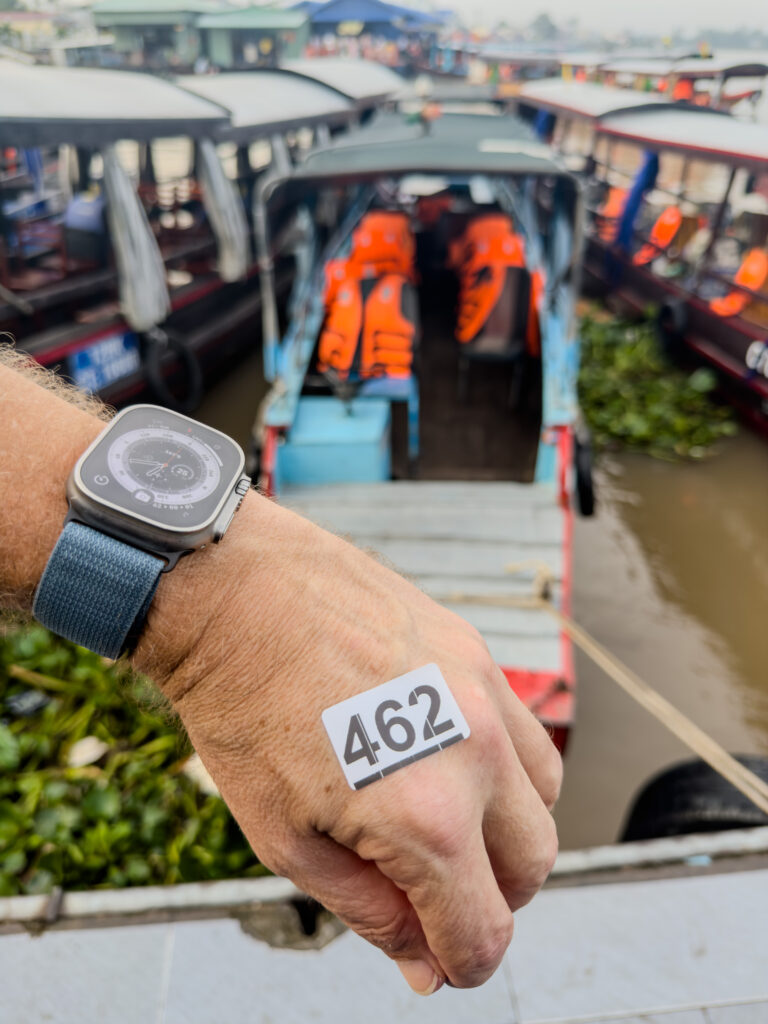
One detail that stood out during the visit was the small numbered sticker placed on the tourist boat.
When a passenger bought something from a particular seller, the seller could identify the boat through its number. From the visitor’s perspective, it gave the impression that purchases were being tracked according to the tourist boat that brought the customer.
This is consistent with the wider commercial relationship between tourist boats and riverside or floating vendors, although I could not find a reliable official source confirming that the stickers formally represent a commission system.
So it is worth treating this as an observation from the experience rather than a documented rule of Cai Rang Floating Market.
Either way, it changes the feeling of the interaction.
You begin to wonder whether the person selling you a pineapple is primarily trading with market customers or serving the tourism industry.
High Expectations, Low Reality
This is where Cai Rang can disappoint.
If you arrive expecting the market shown in older photographs, you may imagine a river packed with hundreds of working boats, traders negotiating over huge quantities of produce and very few tourists.
Today’s experience can be much more commercial.
Tourist boats dominate many visits. Vendors approach visitors. Boats selling breakfast and drinks move around the tour groups. The famous market remains, but tourism has become inseparable from it.
The disappointment comes from the gap between the idea of Cai Rang and the experience of Cai Rang.
The history is genuine.
The market is genuine.
The tourism surrounding it is genuine too.
Is Cai Rang Still Worth Visiting?
Yes, with realistic expectations.
The market gives you a glimpse into a form of river commerce that developed because waterways shaped everyday life in the Mekong Delta. The traditional boat poles, produce boats and floating food sellers are worth seeing.
But this is a destination where the journey and atmosphere can be more interesting than the postcard moment.
Instead of asking whether Cai Rang looks exactly like the photographs, watch what is happening around you.
Look at how boats manoeuvre through the river.
Look at the products hanging from the poles.
Notice the difference between larger trading boats and small tourist vendors.
Watch the sunrise over the water.
And pay attention to how tourism has become part of the market itself.
Go Early
Timing makes a significant difference.
The market begins operating in the early hours and is generally busiest around sunrise. Vietnam Tourism recommends arriving around 5–6 AM, while official local information places the main market activity between roughly 4 and 9 AM.
By arriving late, you risk missing the strongest part of the market.
For photography, early morning also gives you softer light and the atmosphere that has made Cai Rang famous.
Try Breakfast on the Water
One part of the experience that still feels particularly suited to the setting is breakfast.
Small boats move between larger vessels selling noodles, coffee and other food. Hủ tiếu, a noodle soup commonly associated with the Mekong Delta, is one of the dishes visitors can find on the water.
Eating breakfast while surrounded by boats is perhaps a better way to experience Cai Rang than simply taking photographs from a tour boat.
How to Experience Cai Rang in One Hour
0–15 minutes
Leave Can Tho early and watch the city give way to waterways and smaller boats.
15–30 minutes
Reach the floating market and look for the larger produce boats and their cây bẹo poles.
30–45 minutes
Watch the movement around the market and notice the interaction between traders, tourist boats and floating food vendors.
45–60 minutes
Have breakfast or a drink on the water before heading back towards Can Tho.
If your schedule allows, continue into the smaller canals after visiting the market. Vietnam Tourism recommends exploring the waterways and nearby islets for a quieter glimpse of Mekong Delta life.
Practical Information
Location: Cai Rang District, Can Tho, Vietnam
Best time: Around 5–7 AM
Market activity: Approximately 4:30–8/9 AM, depending on the source and daily activity.
Time needed: Around one hour for the market itself
Getting there: Most visitors reach the market by boat from Can Tho, commonly departing from Ninh Kieu Wharf.
What to bring: Sun protection, water and a camera
Worth knowing: Tourist activity is now a major part of the Cai Rang experience.
One Hour Tourist Verdict
Cai Rang Floating Market is one of those places where the history is better than the hype.
The market has genuine roots in Mekong Delta commerce, and the traditional details are fascinating. The floating produce boats, cây bẹo poles and breakfast vendors still give you a glimpse of life shaped by the river.
But arrive expecting the untouched floating market of travel photographs and you may leave disappointed.
Tourism is now deeply woven into the experience. For some visitors, that will feel like a tourist trap. For others, it will be an interesting example of how a traditional market has adapted to a new economy.
Go early, lower your expectations and watch the river rather than chasing the perfect photograph.