Why Visit?
Mang Thit offers a glimpse into a side of the Mekong Delta that has little to do with floating markets or fruit orchards.
The landscape is industrial, rural and deeply connected to the river. Rows of old kilns line canals, small workshops continue traditional pottery work, and the remains of former factories reveal the scale of an industry that once supported thousands of workers.
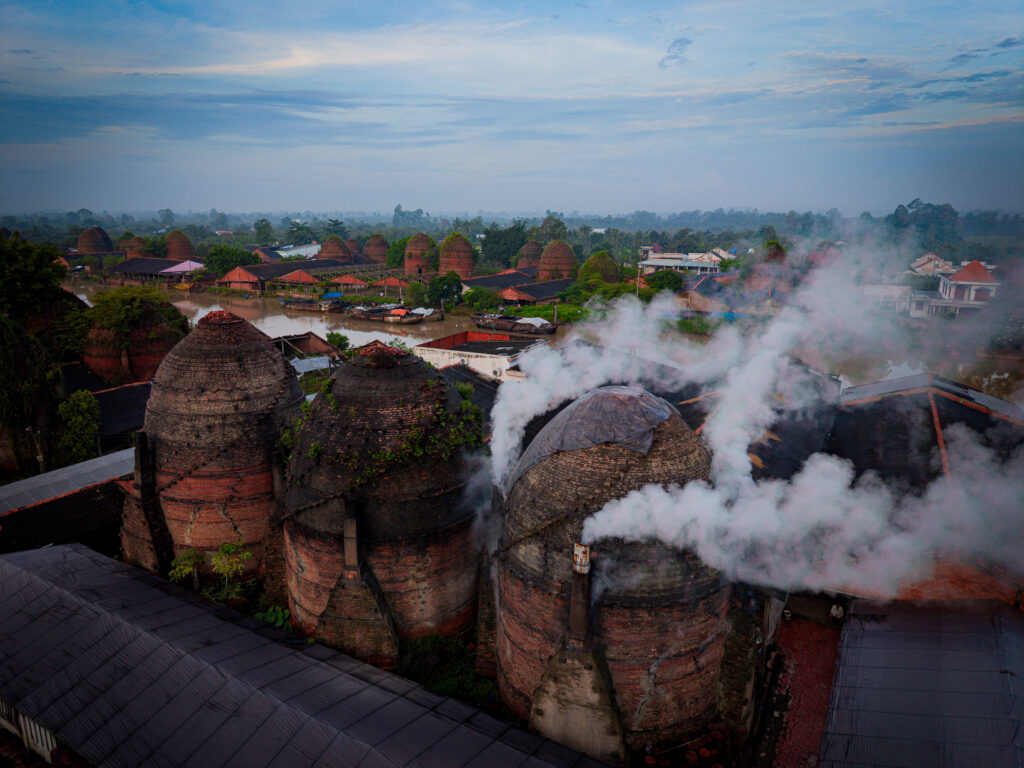
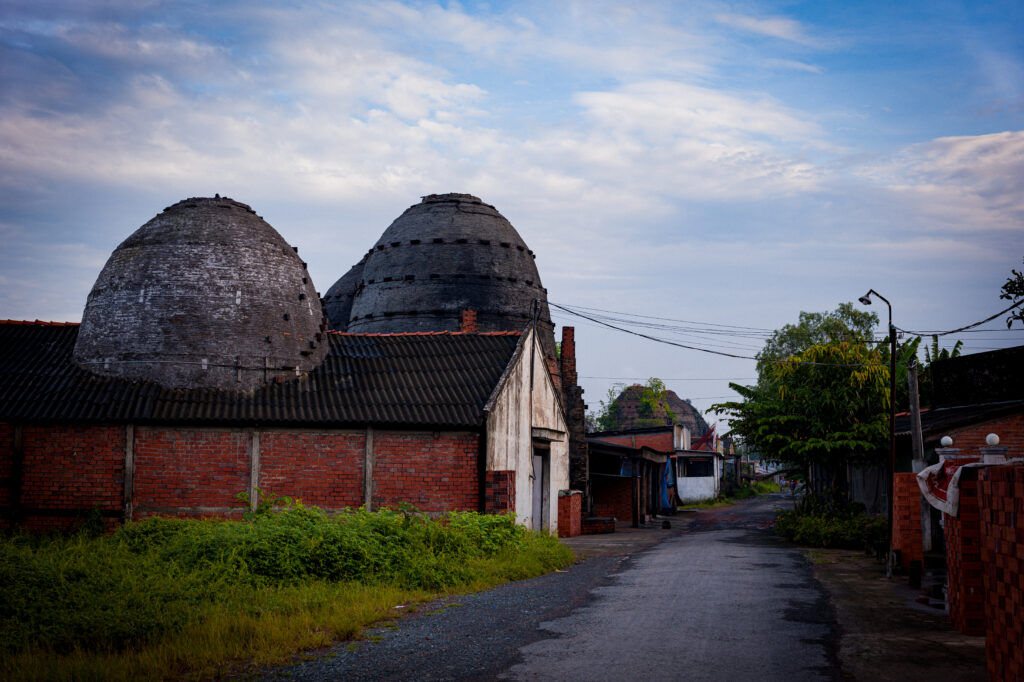
Some kilns still serve a purpose, while others have fallen silent. Their unusual shapes and reddish walls make the area especially interesting for photographers and travellers curious about traditional craftsmanship.
It is a place to appreciate both the skill behind handmade production and the changing fortunes of a historic industry.
The Kingdom of Bricks
Mang Thit’s brick-making tradition dates back more than a century, with some accounts tracing its beginnings to the late 19th century. Rich clay deposits along the waterways provided the raw material, while the canals and rivers offered practical routes for transporting finished bricks and pottery.
The industry grew substantially during the 20th century. At its peak, the area had thousands of kilns producing red bricks and roof tiles for markets across Vietnam and overseas. The scale of production earned Mang Thit its nickname, the Kingdom of Brick Kilns.
The kilns became part of the local identity. Families built their livelihoods around clay, firing and trading, passing down practical knowledge through generations.
The Distinctive Shape of the Kilns
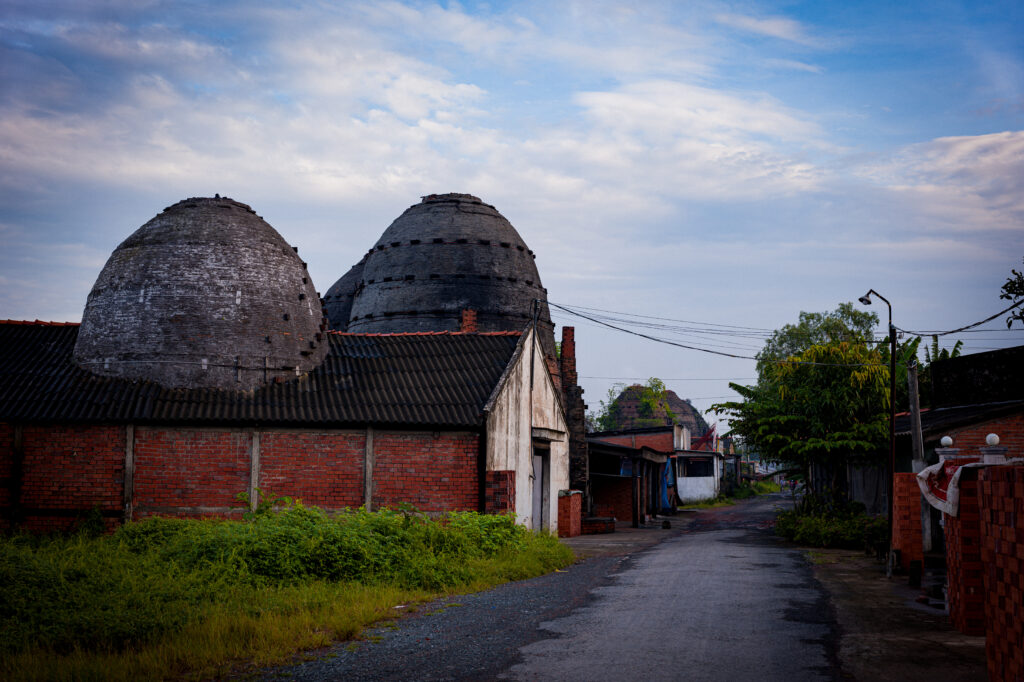
The first thing you notice is their shape.
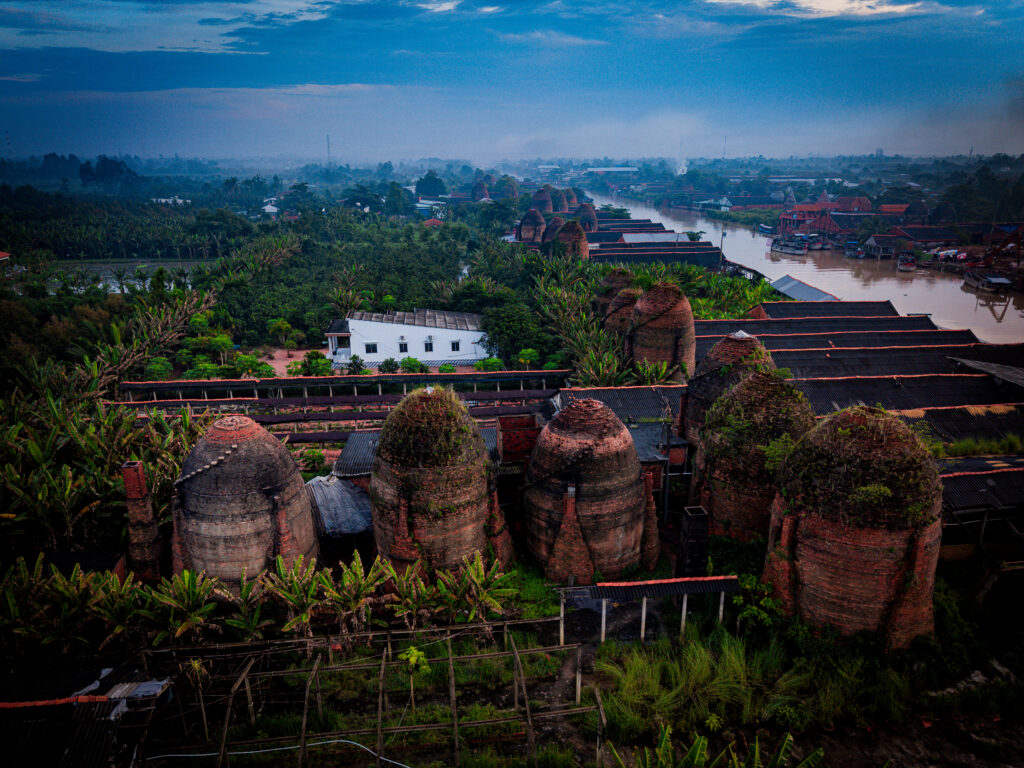
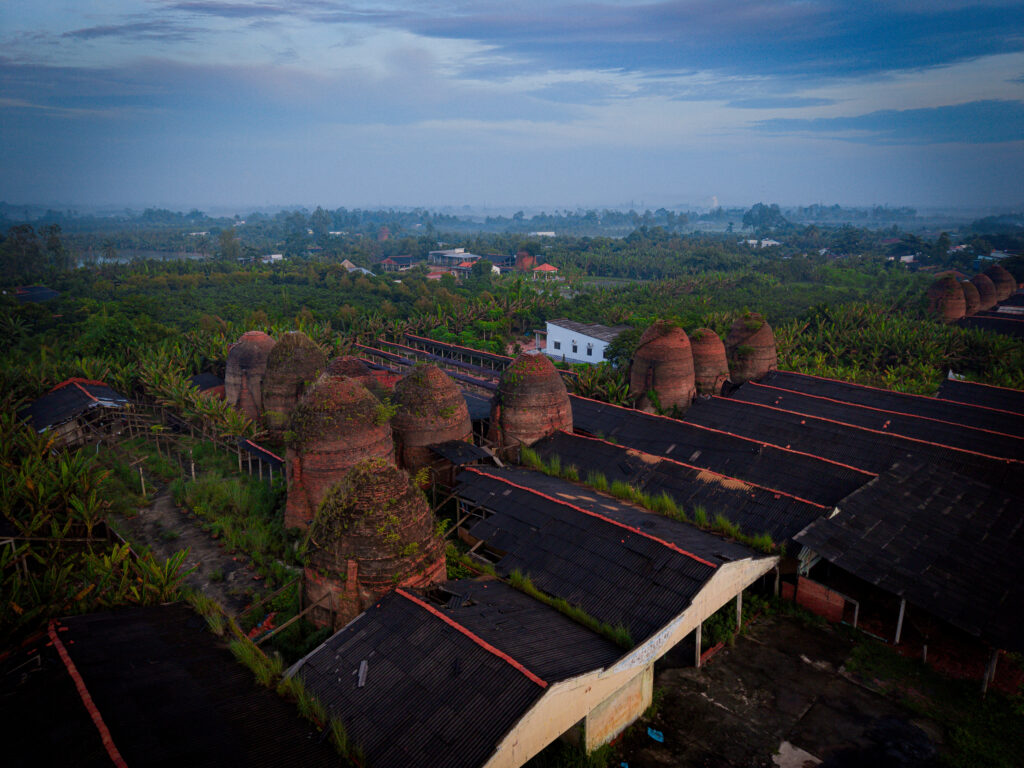
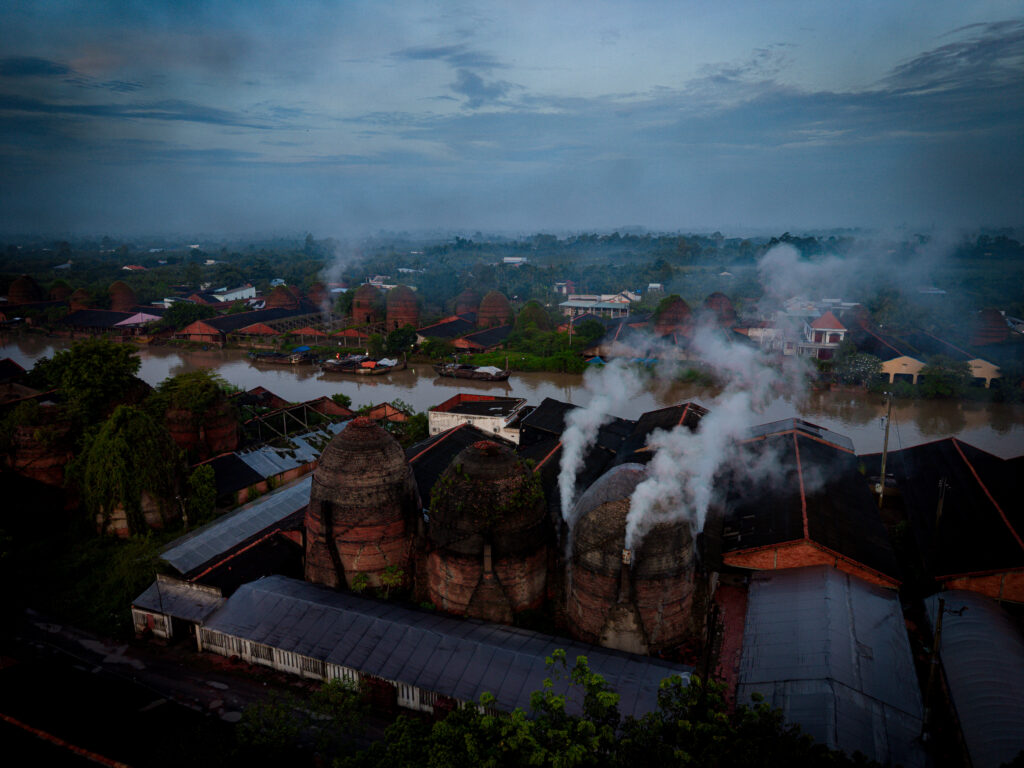
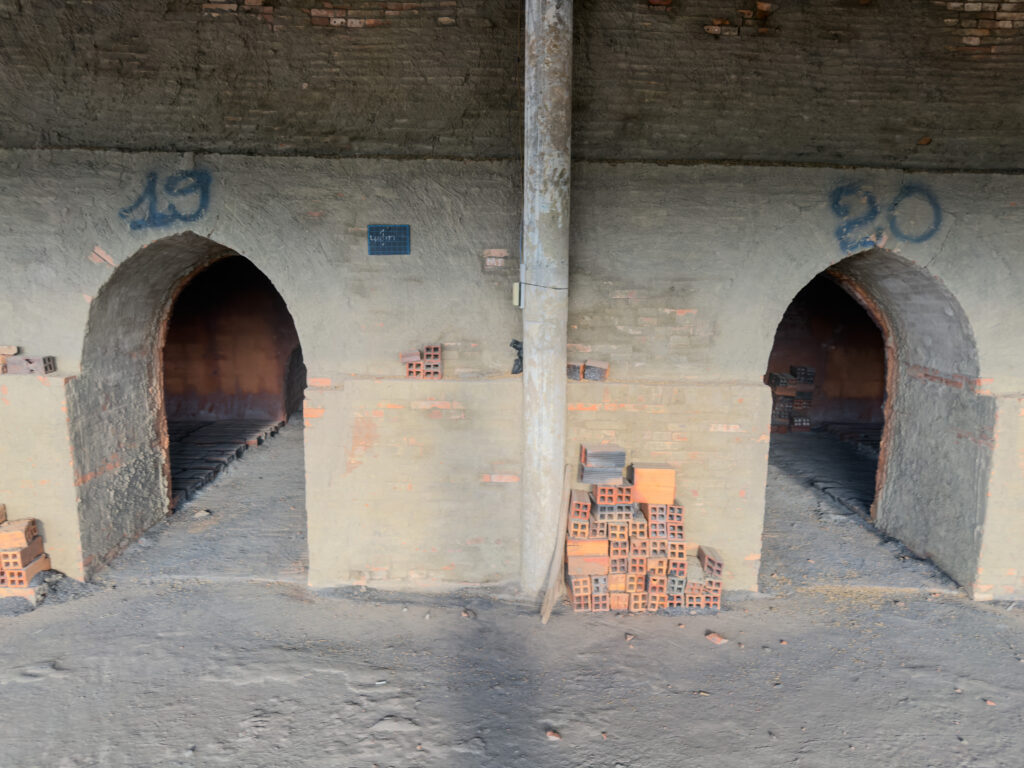
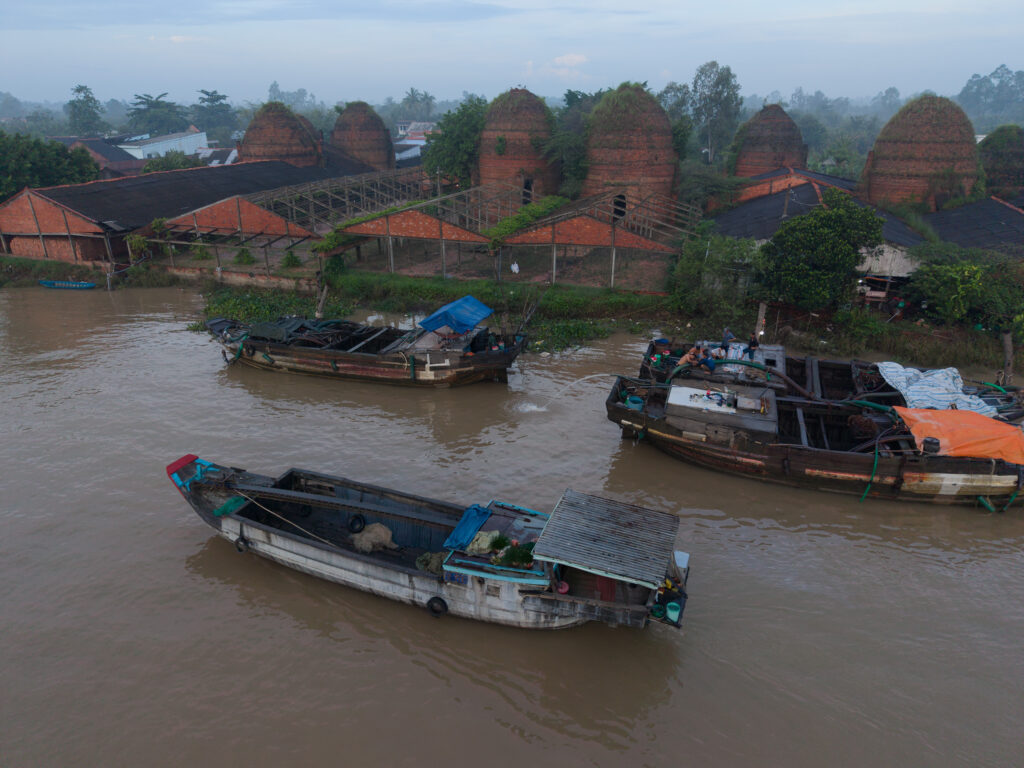
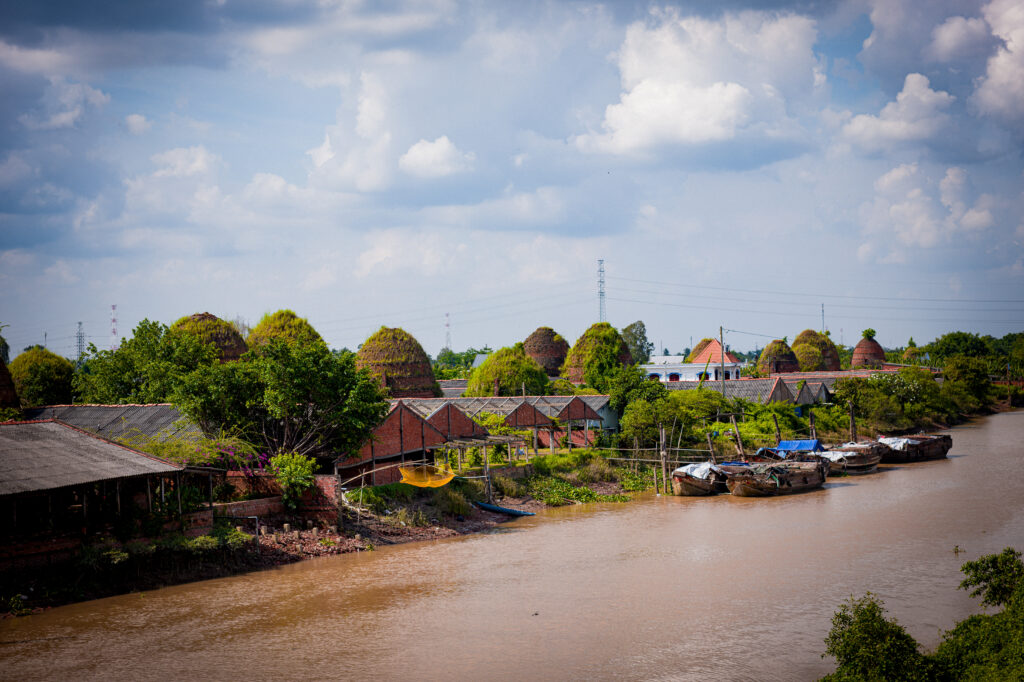
Mang Thit’s traditional kilns have tall, rounded bodies and narrow chimneys, often resembling oversized mushrooms or small towers. Many were constructed from the same bricks they were designed to fire, creating a landscape where the production process and its architecture were closely connected.
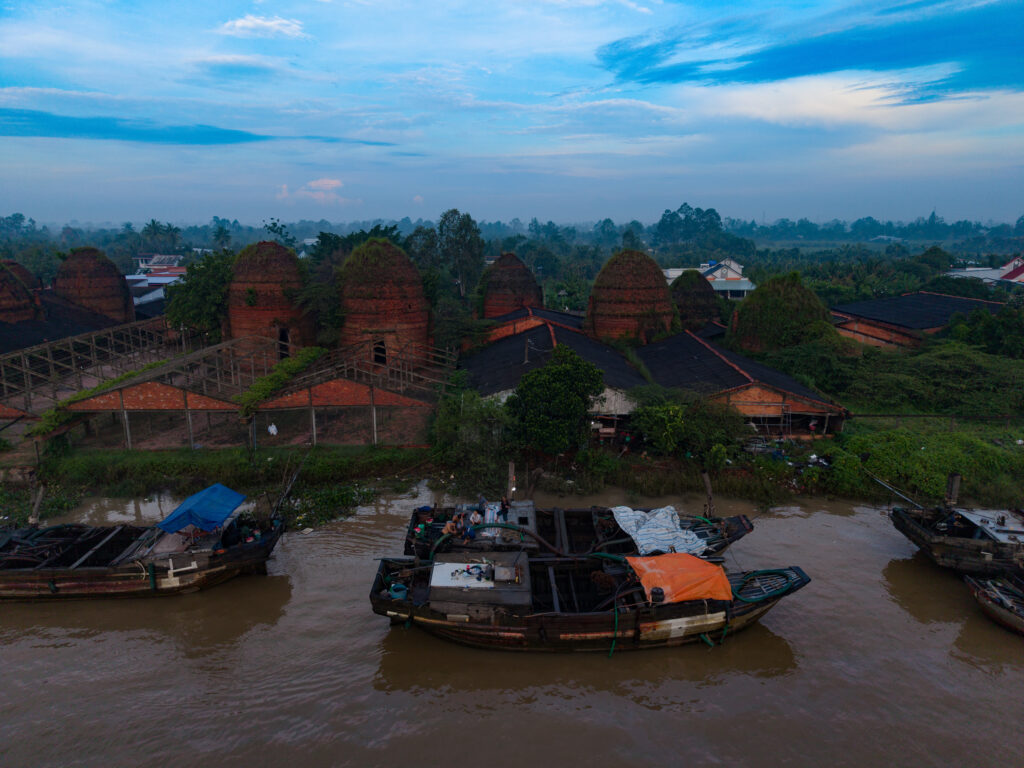
Along the canals, the kilns stand close together, their reddish surfaces contrasting with the green vegetation and dark water. Some are cracked or covered in moss, while others remain part of active workshops.
Seen from a boat, the rows of kilns create one of the Mekong Delta’s most distinctive industrial landscapes.
From River Clay to Red Brick
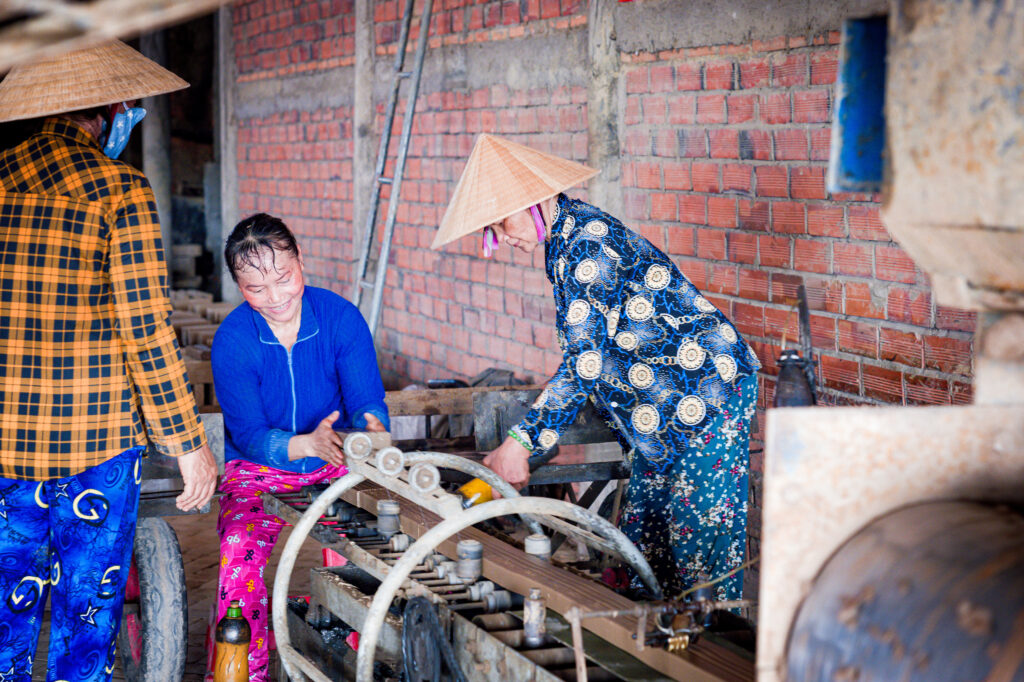
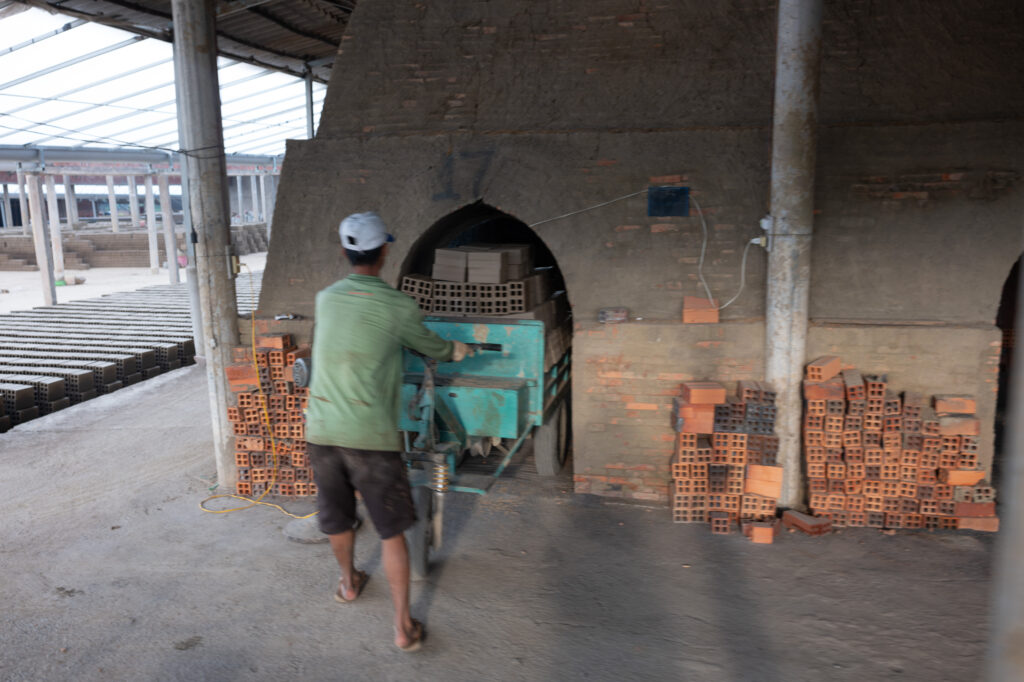
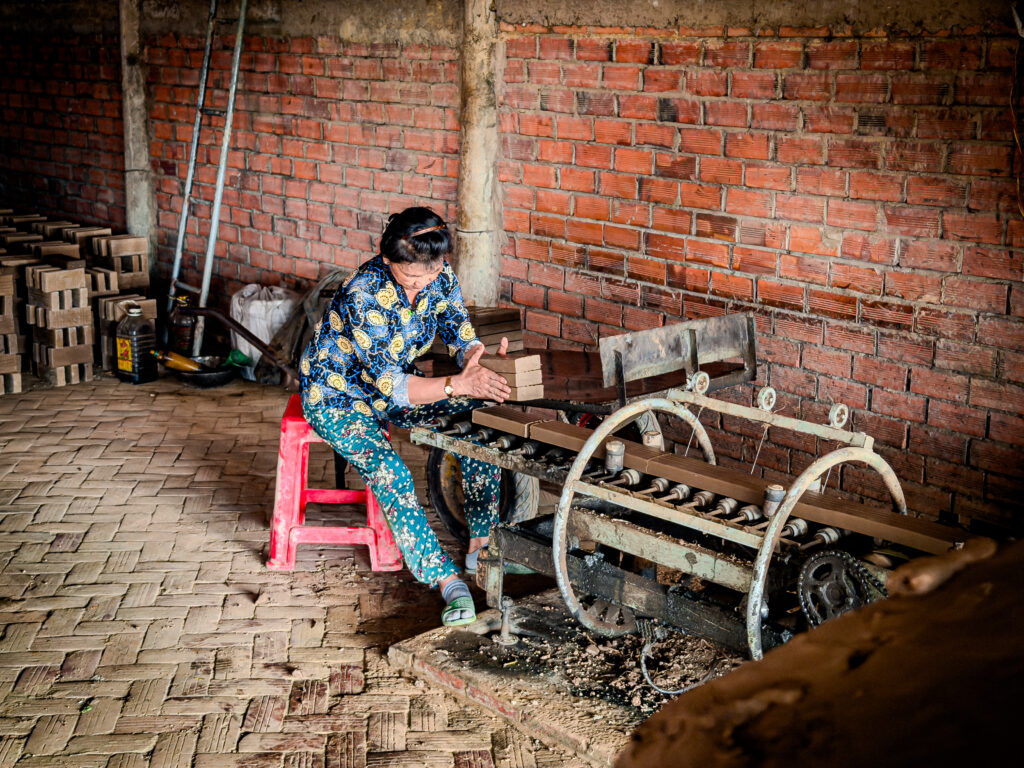
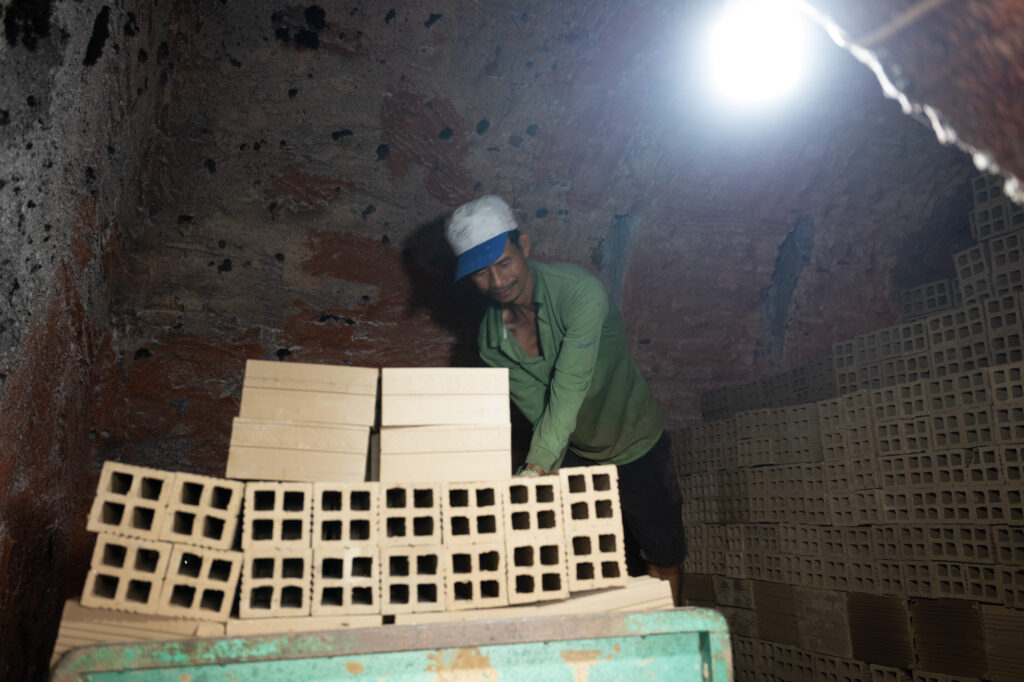
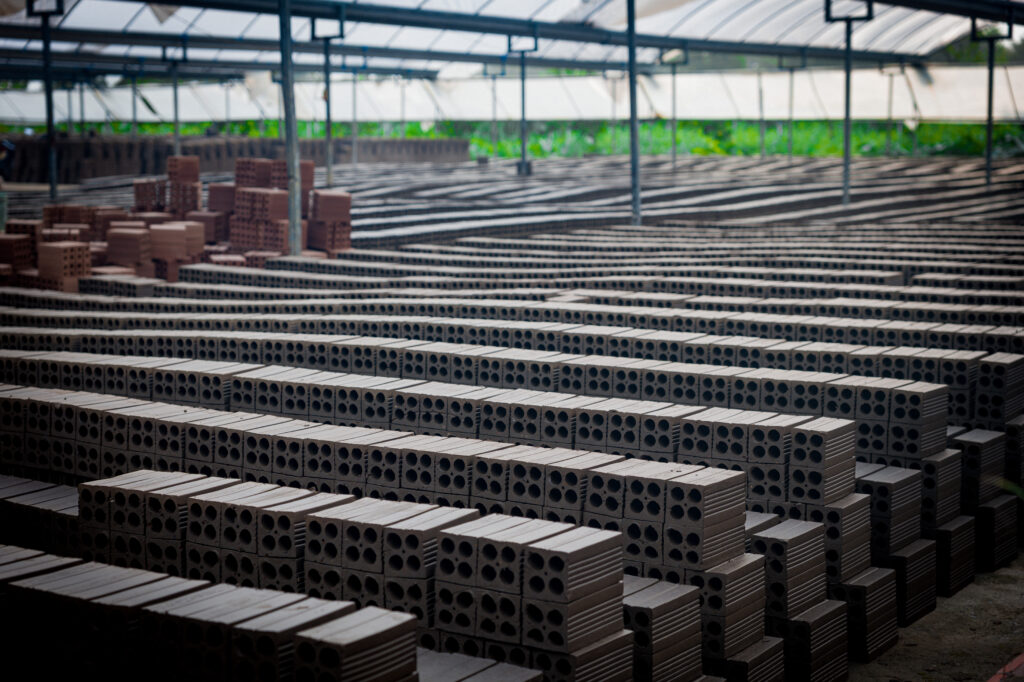
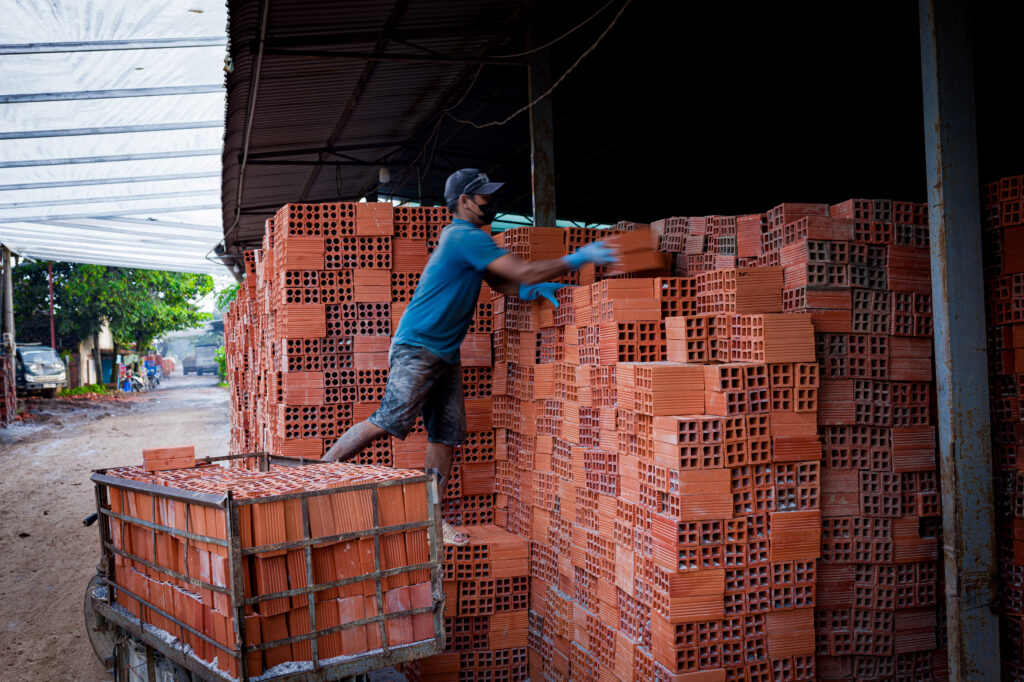
Traditional brick-making began with clay taken from the surrounding area. Workers prepared and kneaded the material before placing it into moulds. The shaped bricks were then left to dry in the sun before being stacked inside the kiln for firing.
The firing stage required experience and careful control of the heat. A report on Vinh Long’s traditional brick-making village describes a process in which preparing enough raw bricks could take around five days, followed by approximately 15 days of firing. The exact timing varied according to the kiln and production method.
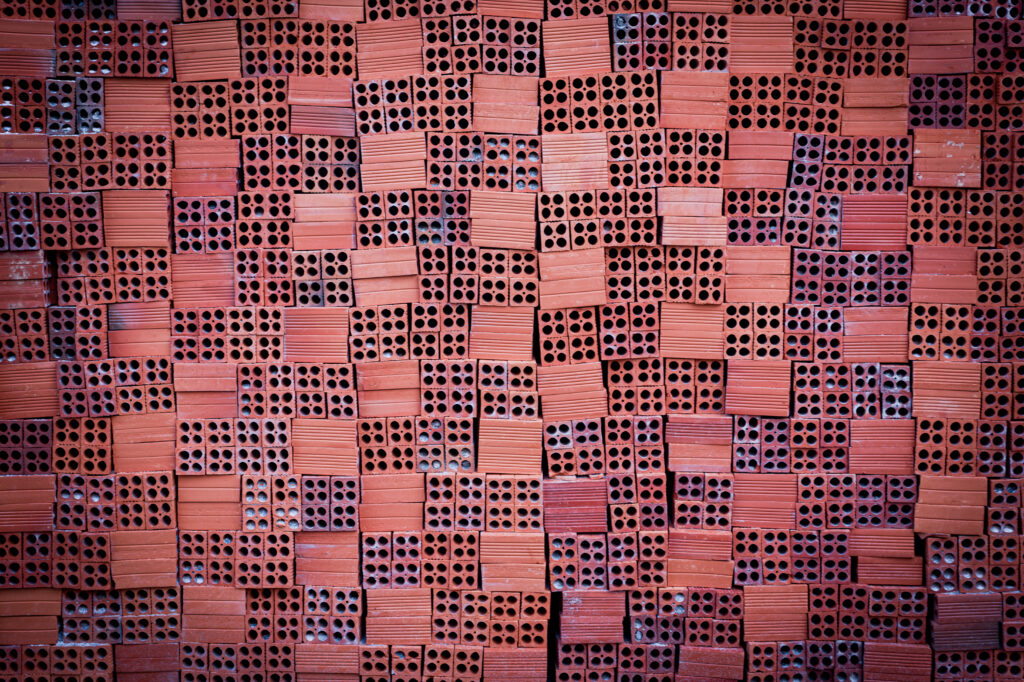
The result was the region’s characteristic red brick, used in buildings and construction projects across southern Vietnam.
The work demanded patience, physical effort and an understanding of how clay behaved as it dried and hardened. Much of that knowledge came from experience rather than written instructions.
From Bricks to Red Pottery
Mang Thit became known for ceramics as well as construction materials.
The same local clay could be shaped into pots, jars, planters, tiles and decorative objects. Red pottery remains an important part of the area’s craft identity, with workshops producing items for domestic use and sale.
Visitors may have opportunities to watch artisans prepare clay, shape pieces and work with traditional techniques. Some experiences also allow guests to try making a small ceramic object under a craftsperson’s guidance. Availability depends on the workshop or tour arranged.
This is a more hands-on way to understand the place. Instead of viewing the kilns only as old structures, you can see the skill and labour behind the objects they helped produce.
Why the Kilns Fell Silent
Mang Thit’s industry began to change in the early 2000s.
Production costs rose, demand shifted and environmental concerns placed pressure on traditional firing methods. Many older kilns were dismantled or replaced by more modern systems, while some workshops closed altogether. Workers who had spent years in brick-making had to adapt or find other livelihoods.
The landscape changed with the industry.
Where rows of kilns once operated around the clock, many structures now stand unused. Their weathered surfaces give the area a quieter atmosphere, but they also represent the loss of a traditional way of working.
The old kilns are valuable precisely because they reveal this transition. They are reminders of a time when local clay, river transport and family-run workshops shaped the economy of Mang Thit.
A Living Industrial Heritage
The future of Mang Thit is increasingly tied to preserving its industrial heritage.
Local authorities have developed the Mang Thit Contemporary Heritage Project, covering an area of around 3,060 hectares across four communes. The plan aims to protect the historic kiln landscape and develop cultural tourism around traditional red pottery.
The intention is to give the old kilns a future beyond their original industrial purpose.
Visitors may be able to explore the waterways, see surviving workshops and learn about the local craft. The area is still a working rural landscape, however, rather than a fully developed museum attraction. Access to individual kilns and workshops can vary.
That makes it worth approaching Mang Thit with curiosity and respect for the people who continue to live and work there.
Exploring the Kilns by Boat

A boat trip is one of the best ways to appreciate the scale of the brick-making area.
The kilns are scattered along waterways including Thay Cai Canal and the Co Chien River. Travelling by boat gives you a view of the structures from the water, where their height and repetition become especially striking.
You can see how closely the industry developed around the canals. Waterways connected workshops to suppliers and customers, making it easier to move heavy loads of bricks and pottery through the Delta.
Some tours combine a boat ride with a stop at a pottery workshop. If you want to understand the craft as well as photograph the kilns, check whether your tour includes access to an active production site.
The Best Time to Visit
Morning and late afternoon can offer softer light for photography, especially when the kilns are reflected in the canal water.
The area can become hot during the middle of the day, particularly around workshops and firing sites. If you plan to see pottery being made, ask your guide which workshops are operating on the day of your visit.
Mang Thit is spread across a broad area rather than concentrated in one pedestrian street. A boat tour or locally arranged transport can make it easier to see several groups of kilns in a limited time.
How to Experience Mang Thit in One Hour
0–15 minutes
Travel along the canal and take in the first rows of rounded brick kilns.
15–30 minutes
Pause to photograph the structures, noticing the differences between weathered kilns and those still connected to working workshops.
30–45 minutes
Visit an accessible pottery workshop, if available, to see how clay is prepared and shaped.
45–60 minutes
Continue along the waterway and look at how the kilns sit within the surrounding village landscape.
If you have additional time, arrange a longer visit to learn more about red pottery production or try shaping a small ceramic piece.

Practical Information
Location: Mang Thit District, Vinh Long Province, Mekong Delta, Vietnam.
Best way to explore: A locally arranged boat trip offers a good view of the riverside kilns.
Time needed: Around one hour for a short overview; longer if you want to visit workshops.
Best for: Photography, traditional crafts, industrial heritage and travellers interested in rural Vietnam.
What to bring: Water, sun protection and comfortable footwear for workshop visits.
Worth knowing: Many historic kilns are no longer active. Ask before entering any kiln or private workshop, and arrange access through a local guide where possible.

One Hour Tourist Verdict
Mang Thit’s brick kilns are a striking reminder of how a local craft can shape an entire landscape.
The rounded structures may look like ancient monuments, but they were built for practical work. They fired the bricks and pottery that supported generations of families and helped establish Mang Thit as one of the Mekong Delta’s major production centres.
Some kilns have fallen silent, while the surviving craft continues to adapt. That mix of history, architecture and changing rural life makes Mang Thit an interesting stop for travellers looking beyond Vietnam’s more familiar attractions.