
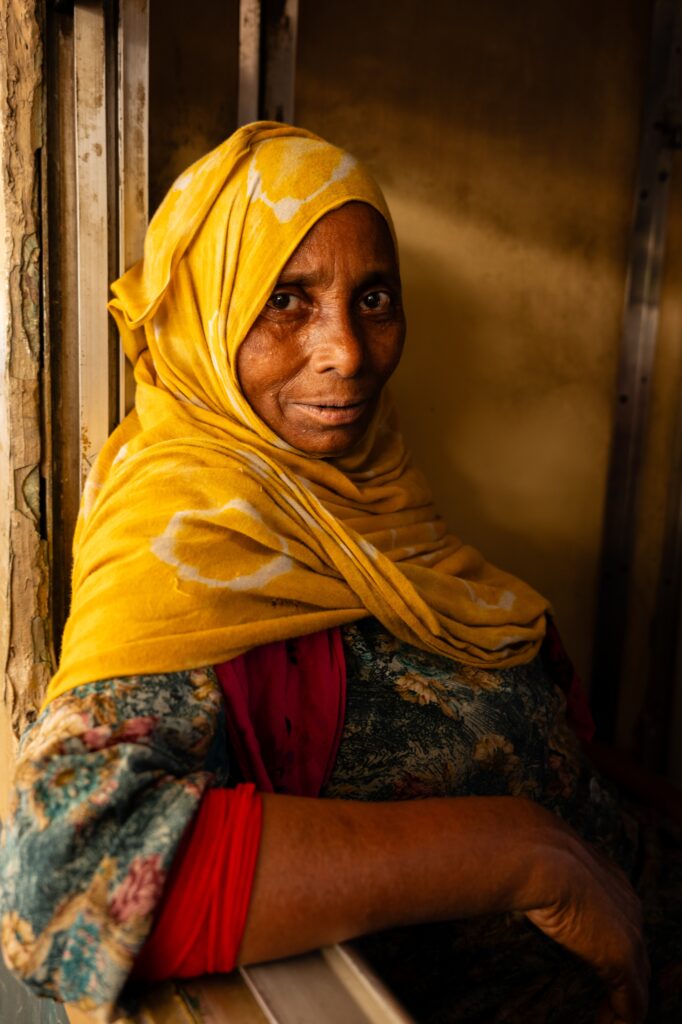
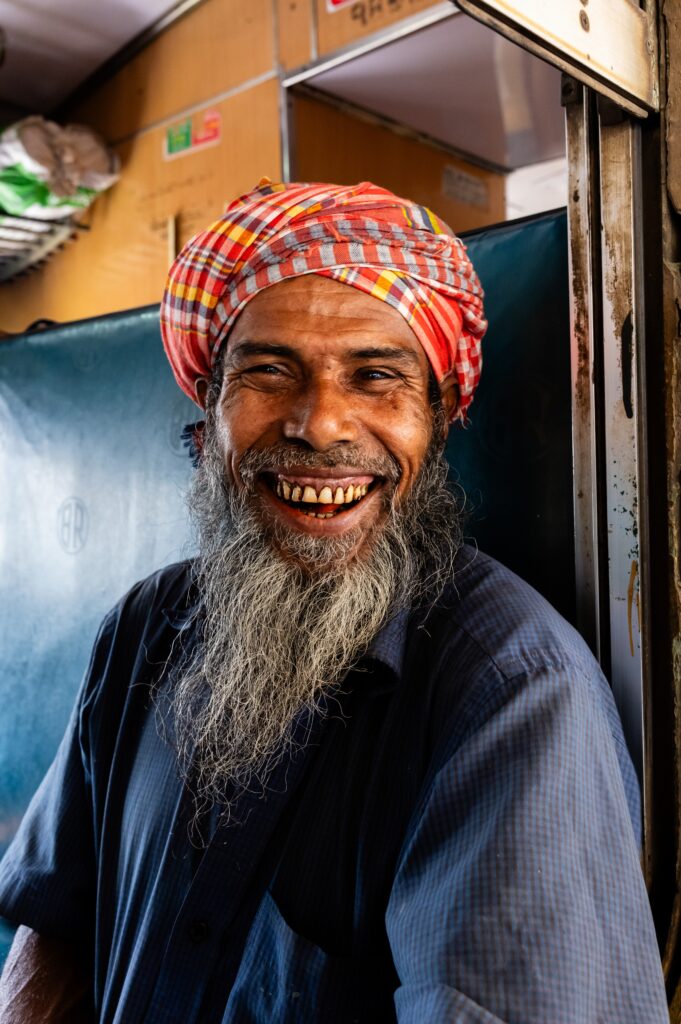
Kamalapur Railway Station does not feel like a tourist attraction. It feels like the nervous system of Dhaka. Every hour, thousands of people move through its platforms carrying bags, boxes, sleeping children and entire pieces of their lives as they travel between Bangladesh’s capital and the rest of the country. For visitors, the station offers one of the most honest windows into daily life in Dhaka — chaotic, emotional, crowded and constantly moving.
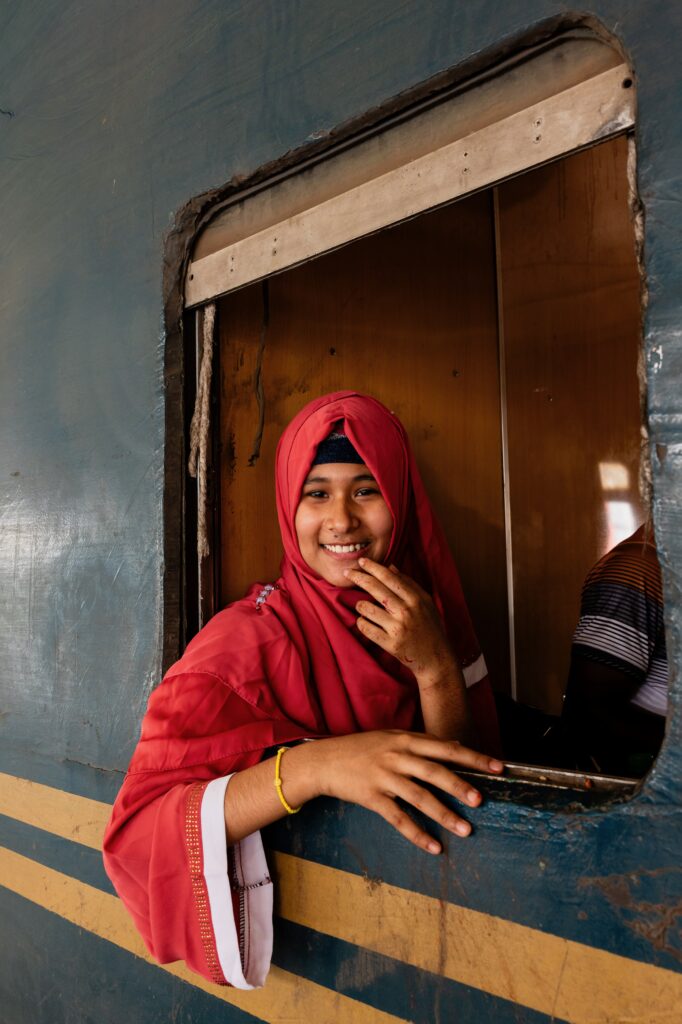
What makes Kamalapur fascinating is not simply the trains themselves, but the layers of humanity surrounding them. Rickshaw drivers wait aggressively outside the entrance searching for passengers. Porters carry impossible stacks of luggage balanced on their heads. Families gather at windows saying goodbye to relatives about to disappear on journeys lasting ten or twelve hours. Wealthy travellers stand only metres away from exhausted workers arriving from rural districts with everything they own packed into cloth bags.
History of Kamalapur Railway Station
Kamalapur Railway Station was officially opened in 1968 and remains the largest railway station in Bangladesh. Before its construction, Dhaka’s main railway facilities were located closer to Old Dhaka, but rapid population growth and the increasing importance of rail transport created the need for a much larger and more modern terminal.
The station itself was considered highly ambitious for its time. Designed by American architect Robert Boughey, the structure is still regarded as one of the more distinctive examples of modernist architecture in Bangladesh. Its large concrete arches and open roof design were intended to improve ventilation and create a sense of openness despite the huge passenger volumes moving through the station daily.
Even today, the roofline of Kamalapur stands out against the surrounding buildings. It feels functional rather than decorative, but there is still a certain elegance in the sweeping concrete design. While many visitors focus immediately on the platforms and crowds, the architecture itself is worth observing for a few minutes before entering the station proper.
Since opening, Kamalapur has become the central hub of Bangladesh Railway’s eastern network. Almost every major city in Bangladesh connects to Dhaka through this station, making it one of the most important pieces of infrastructure in the country.
The Scale of the Station
The sheer number of people using Kamalapur can feel overwhelming, especially in the early morning. Estimates vary, but well over 100,000 passengers move through the station each day, with more than 100 trains arriving or departing daily depending on the season and timetable changes.
Long-distance intercity trains connect Dhaka with major destinations across Bangladesh including Chattogram (Chittagong), Sylhet, Rajshahi, Khulna, Rangpur and Cox’s Bazar. Some journeys take only a few hours, while others become overnight experiences stretching across much of the country.
The station itself is a mixture of old and new Bangladesh. Some trains are modern intercity services with air-conditioned carriages and reserved seating, while others feel far older, with worn paintwork, open windows and crowded compartments packed well beyond capacity.
Train fares remain remarkably affordable by international standards. A short commuter-style journey may cost the equivalent of only one or two US dollars, while longer intercity services between Dhaka and cities like Chattogram or Sylhet often range between US$4 and US$15 depending on the class selected. Air-conditioned sleeper or premium seats cost more, but rail remains one of the most accessible forms of transport for ordinary Bangladeshis.
Because of this affordability, the station attracts an extraordinary cross-section of society. Students, migrant workers, business travellers, military personnel and entire families all move through the same platforms at the same time.
How the Station Functions
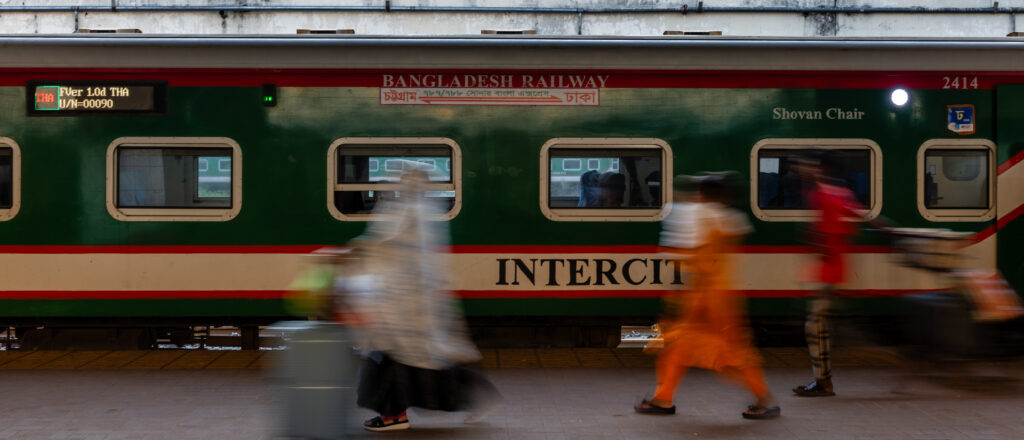
At first glance, Kamalapur appears chaotic. But after spending time there, patterns begin to emerge.
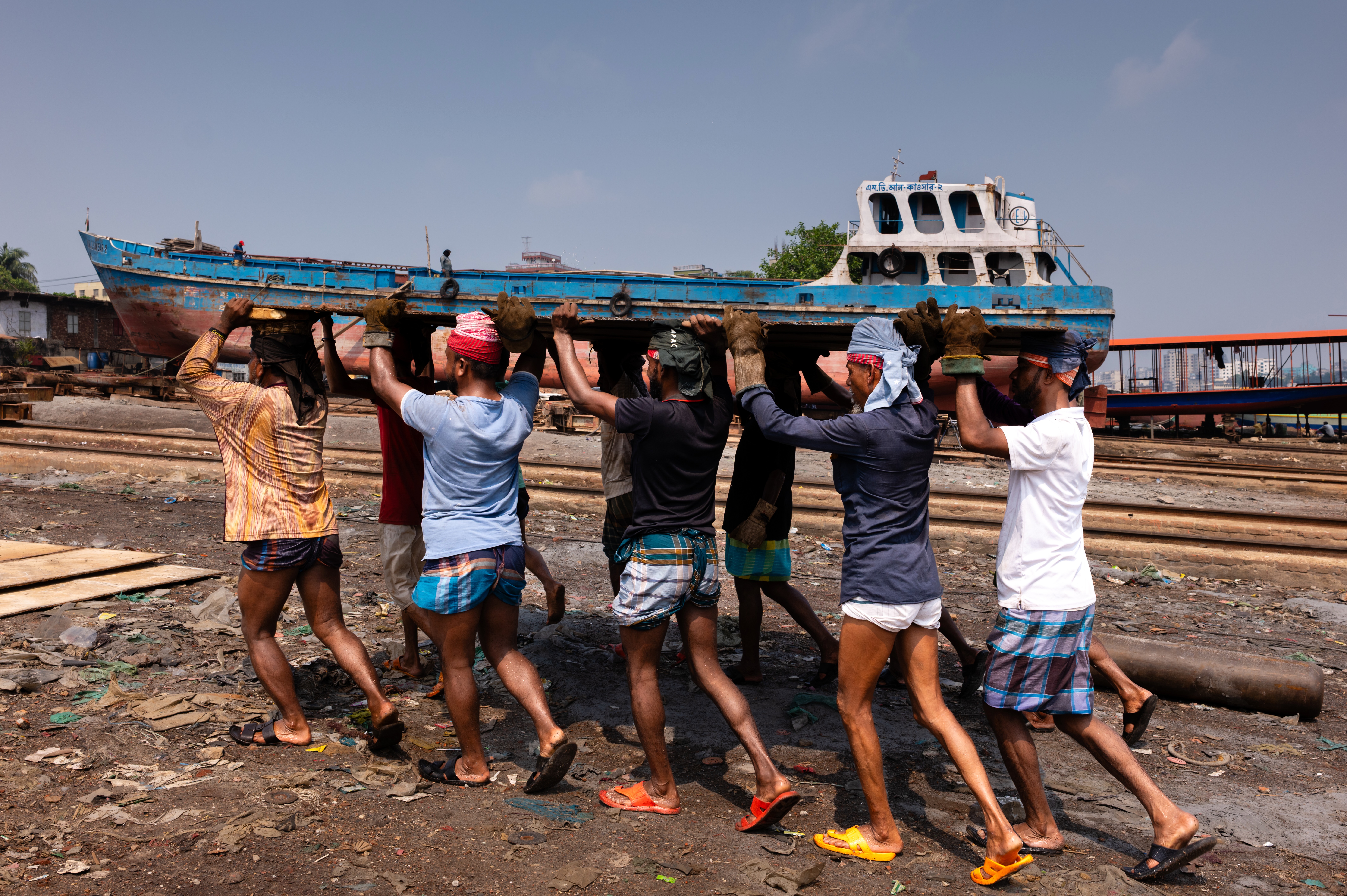
Porters move constantly through the crowds carrying huge piles of luggage balanced on their heads or shoulders. Some passengers hire them immediately upon arrival, especially families or older travellers carrying large bags. Watching the porters navigate crowded platforms without dropping anything is almost a performance in itself.
The ticketing process can still feel heavily manual despite gradual modernisation. Bangladesh Railway has introduced online booking systems for many services, but physical ticket counters remain extremely busy. Long queues form throughout the day, particularly before holidays when huge numbers of people attempt to leave Dhaka simultaneously.
Train classes vary significantly. The most basic compartments can become extremely crowded with bench seating and open windows, while higher-end intercity services offer reserved seating, air conditioning and cleaner cabins. The contrast between classes reflects the broader economic diversity visible throughout Bangladesh itself.
Platform activity intensifies dramatically before departures. Families gather outside windows speaking to relatives already seated inside. Vendors move through the station selling snacks, tea and bottled water. Conductors shout instructions while passengers rush to locate the correct carriage at the last minute.
There is also a visible security presence, although petty crime remains common. Visitors carrying cameras or phones should stay alert, particularly around crowded entrances and waiting areas.
Photography at Kamalapur
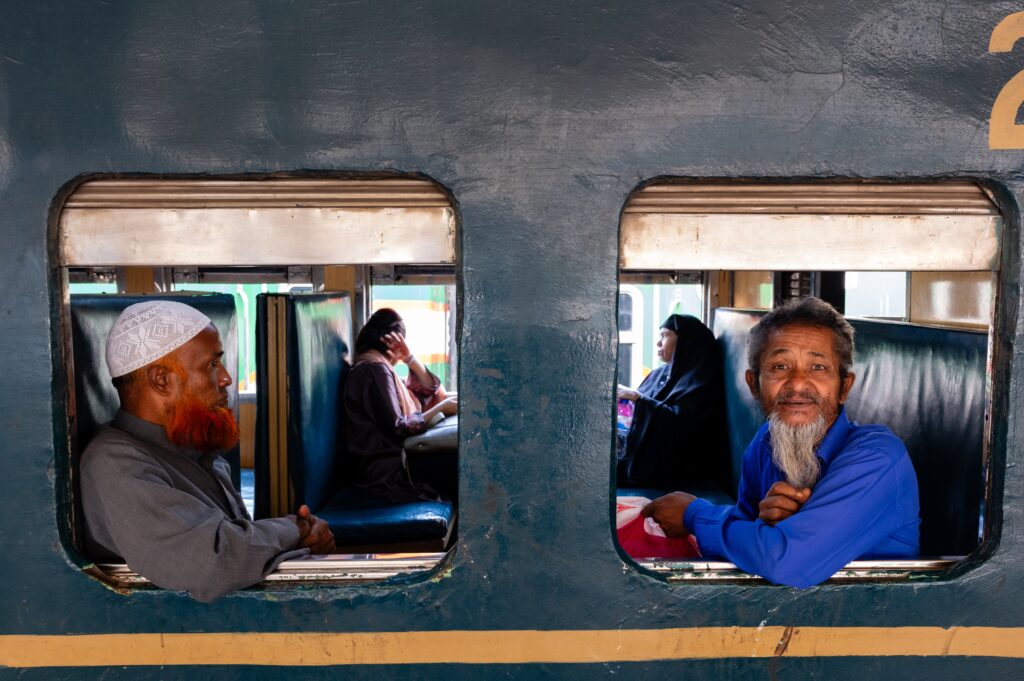
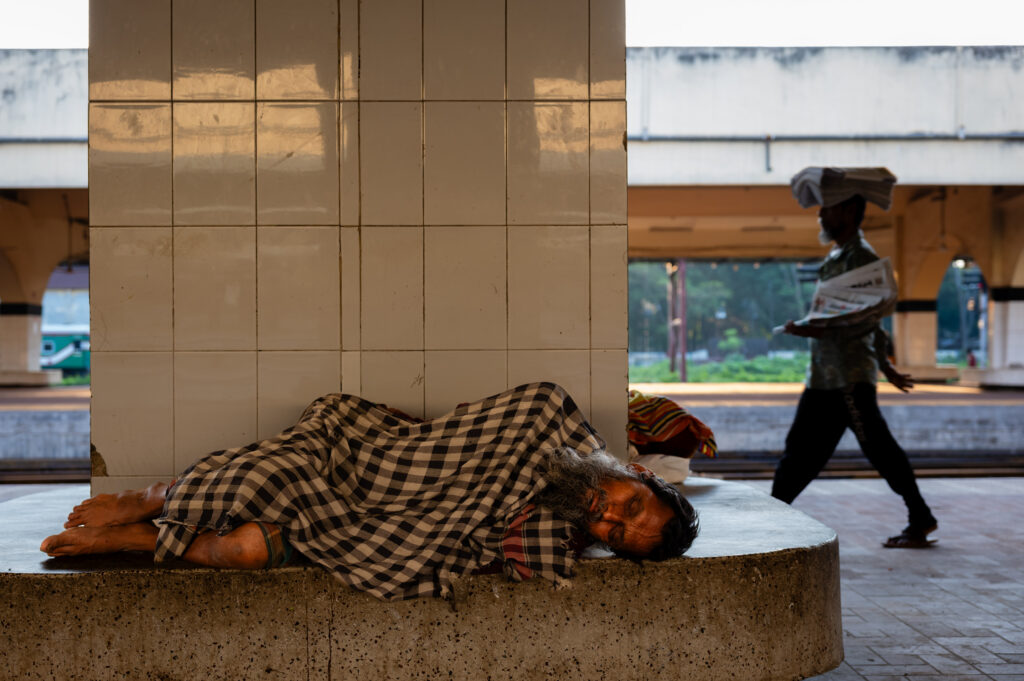
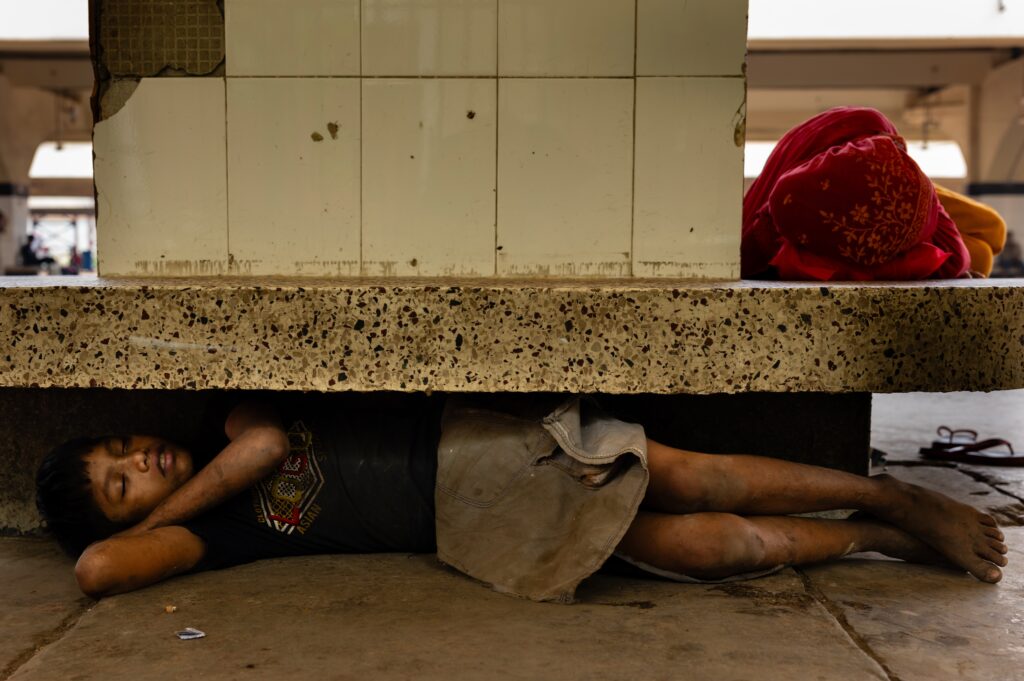
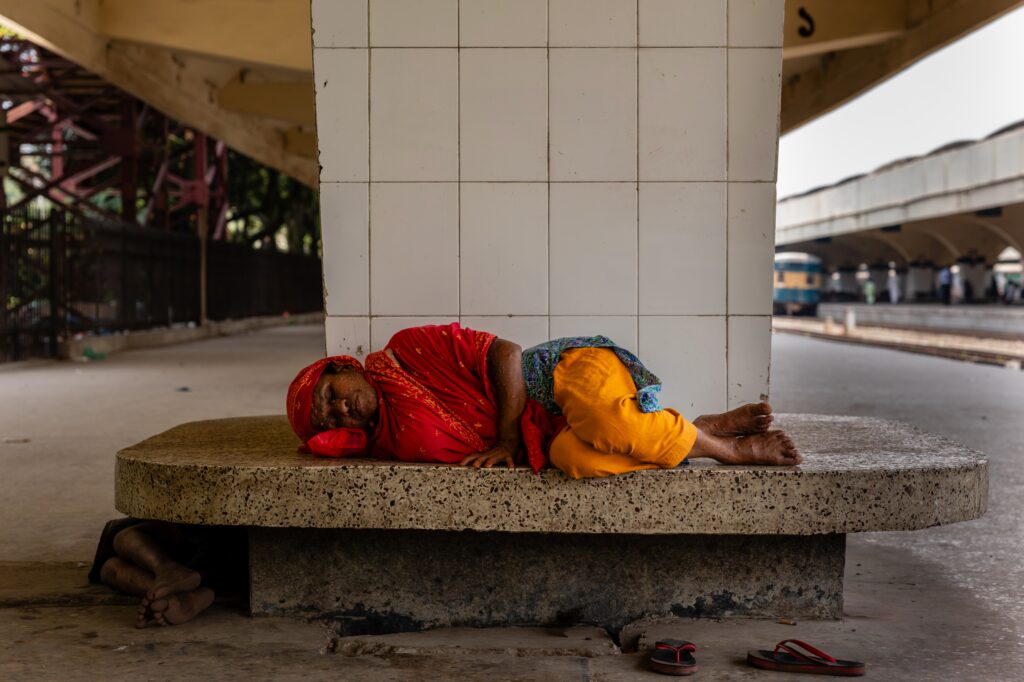
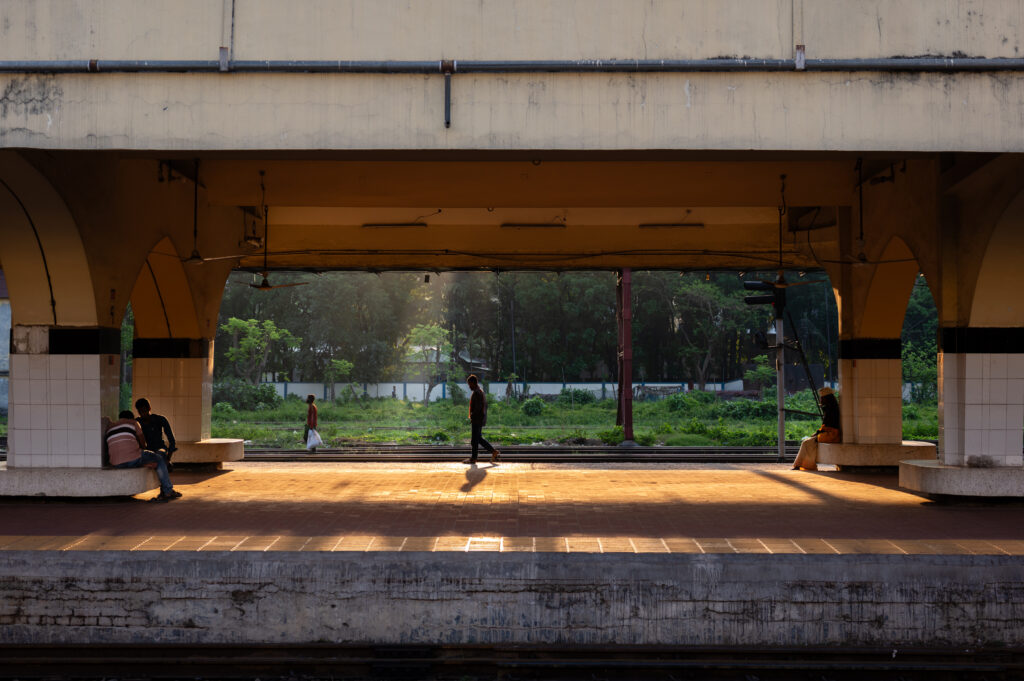
For photographers, Kamalapur Railway Station offers almost endless opportunities. The challenge is not finding subjects — it is deciding where to focus.
The best time to photograph the station is usually early morning shortly after sunrise. The softer light works beautifully with the station’s concrete architecture, while the arriving overnight trains create emotional scenes full of exhaustion, relief and anticipation.
One of the strongest subjects is the human interaction around train windows. People lean out talking to relatives, children stare curiously at the platforms and passengers quietly observe the chaos outside before departure. These moments often feel more powerful than the trains themselves.
The rickshaw area outside the station is equally compelling. Hundreds of colourful rickshaws gather waiting for passengers, creating a constantly shifting wall of movement, bells and shouting drivers competing for fares. Wide lenses work well here because the density of activity is incredible.
Photographers should remain respectful, especially around vulnerable people including homeless families and children sleeping inside the station. Kamalapur reveals difficult realities alongside its visual energy, and documenting these scenes requires sensitivity rather than simply chasing dramatic images.
Longer lenses can help capture more natural expressions without intruding too closely into people’s personal space. At the same time, many Bangladeshis are surprisingly open to photography if approached respectfully.
The Rickshaws and the Streets Outside
One of the most fascinating aspects of Kamalapur is what happens beyond the platforms.
Outside the station entrance, huge numbers of cycle rickshaws gather throughout the day waiting for passengers. The scene often feels almost competitive or aggressive as drivers rush toward arriving travellers offering rides into the city.
The sheer density of rickshaws becomes visually extraordinary. Bright colours, painted decorations, bells, shouting drivers and slow-moving traffic combine into a uniquely Dhaka atmosphere. Even visitors with no interest in trains could spend an hour simply observing the streets surrounding the station.
This area also reveals the economic importance of the station beyond rail transport itself. Tea sellers, food vendors, porters, street children, rickshaw drivers and small shop owners all depend on the constant movement of passengers through Kamalapur every day.
The station therefore becomes more than transport infrastructure. It acts as an economic ecosystem feeding thousands of livelihoods across the surrounding neighbourhoods.
For travellers wanting to understand Dhaka beyond shopping malls or business districts, Kamalapur Railway Station offers something much more authentic. It is exhausting, emotional, visually overwhelming and occasionally confronting — but it may also be one of the most revealing places in the entire city.