Tucked away in the far north of Thailand, near the borders of Laos and Myanmar, Chiang Rai is a city where culture, art, and tranquility meet. Often overshadowed by its livelier neighbor Chiang Mai, this serene destination rewards visitors with intricate temples, creative landmarks, and a peaceful rhythm of life that feels worlds apart from the bustle of Bangkok. Its unique position also makes it the gateway to the legendary Golden Triangle, where three countries and cultures converge along the Mekong River.
A City of Temples and Art
Chiang Rai is best known for its trio of extraordinary temples, each reflecting a different artistic vision. The most iconic, Wat Rong Khun (The White Temple), is an architectural masterpiece created by Thai artist Chalermchai Kositpipat. Gleaming white and covered in mirrored glass, the temple seems to glow under the sun, symbolizing purity and enlightenment. Every detail—from mythical sculptures to contemporary pop-culture motifs hidden within the murals—tells a story of the balance between good and evil.
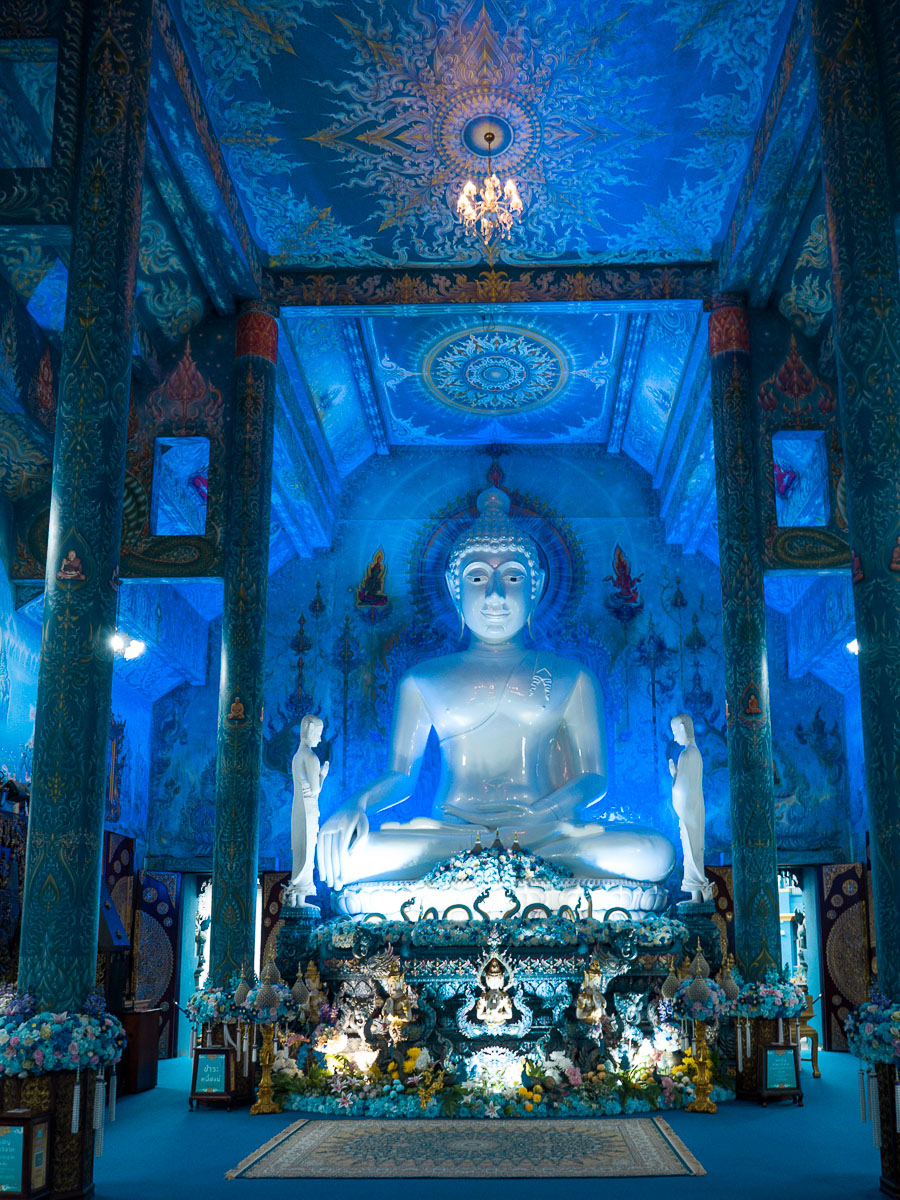
Not far away, the Blue Temple (Wat Rong Suea Ten) dazzles visitors with deep indigo hues, golden accents, and a serene white Buddha that seems to float in light. The temple’s modern design blends traditional Lanna style with a bold, almost dreamlike palette that makes it one of the most photogenic spots in northern Thailand. Completing the trio is Baan Dam (The Black House), a dark, mysterious complex created by artist Thawan Duchanee. It’s not a temple in the traditional sense but an art installation made up of over 40 black wooden structures filled with carvings, animal bones, and provocative sculptures that explore themes of life, death, and spirituality.
The Clock Tower and City Life
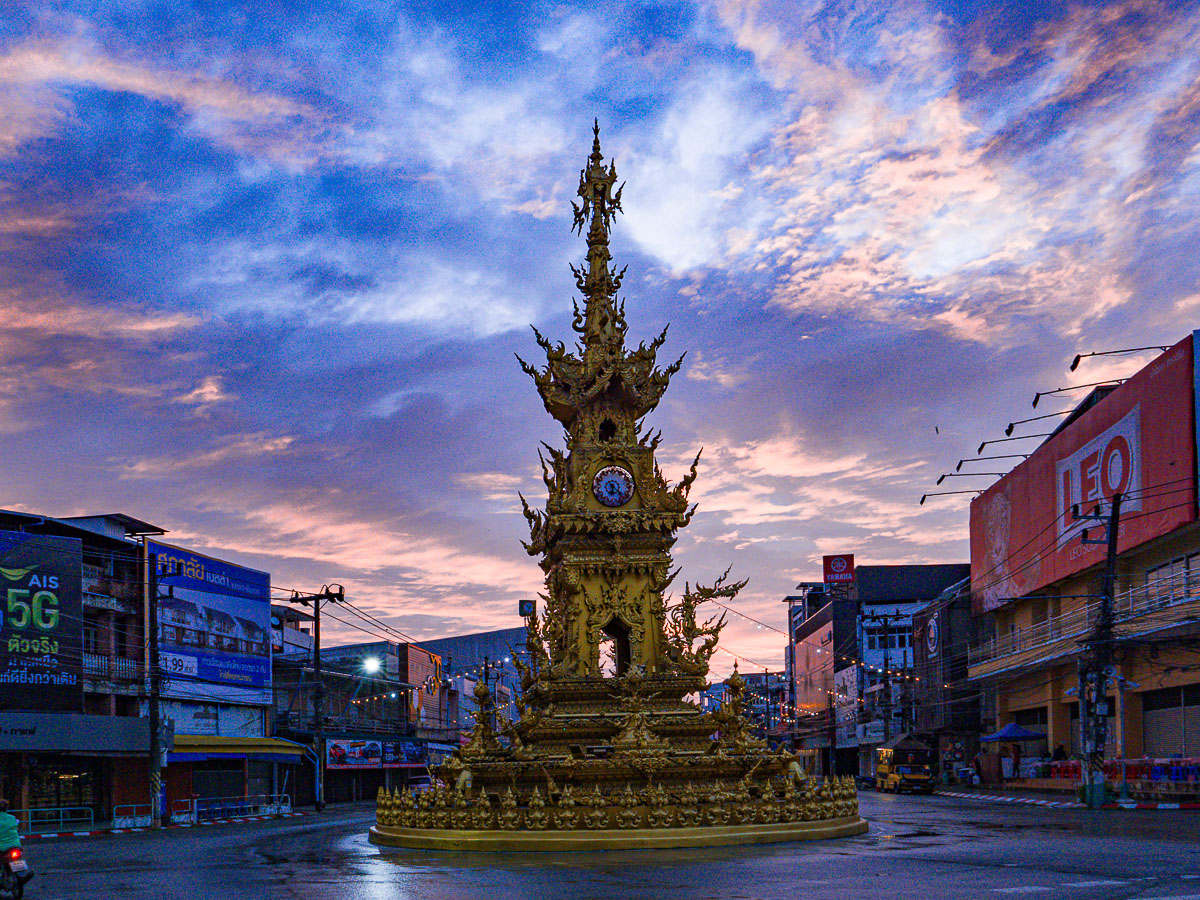
At the heart of the city stands the Chiang Rai Clock Tower, another creation of Chalermchai Kositpipat. By day, it’s a gilded monument that glitters in the sunlight; by night, it comes alive with a dazzling light and music show every evening at 7, 8, and 9 p.m. Surrounding the clock tower are cafes, local eateries, and small night markets—perfect for wandering after sunset. Chiang Rai’s Night Bazaar is another must-visit, filled with local crafts, embroidered textiles, and steaming bowls of khao soi (northern-style curry noodles) that make the perfect dinner after a day of exploring.
A Food Scene with Northern Flair
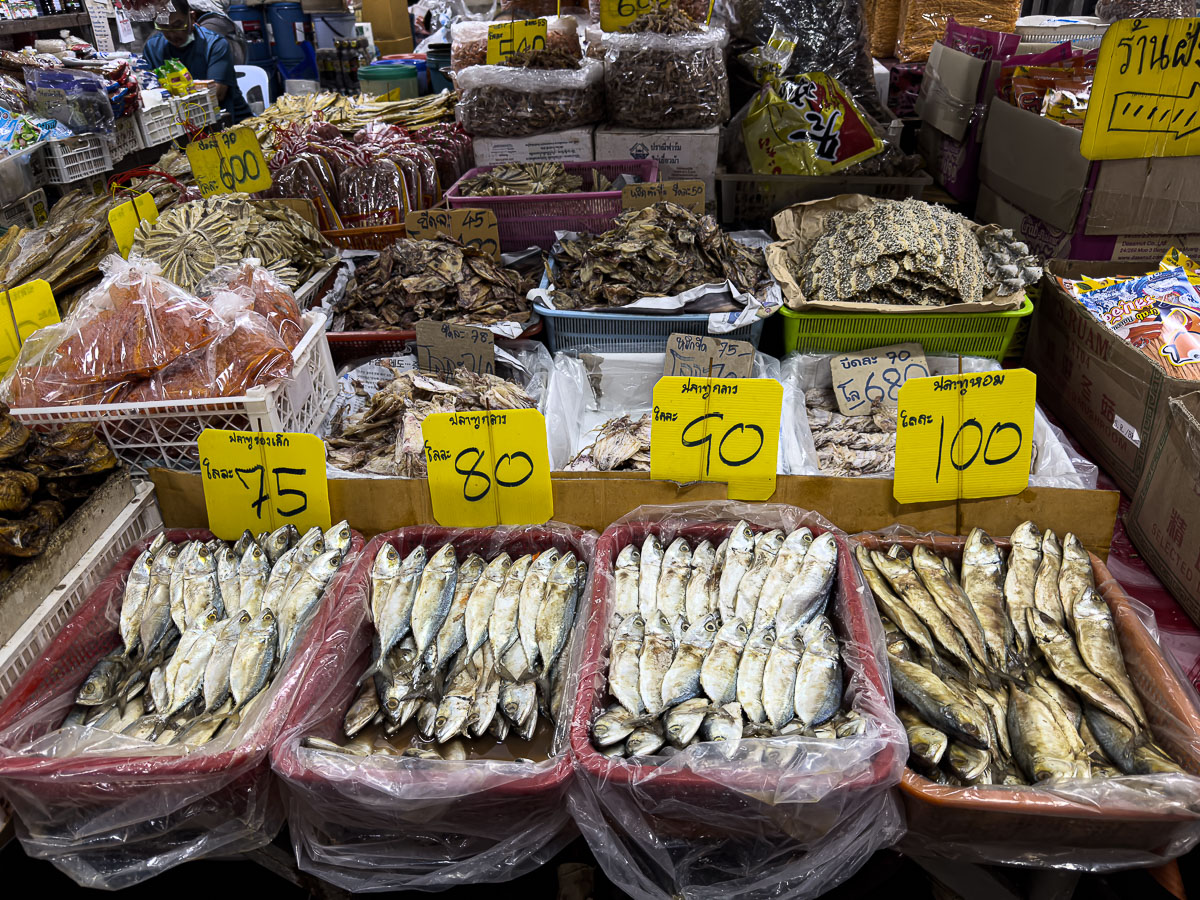
Chiang Rai’s food scene reflects its northern Thai heritage with subtle influences from neighboring Laos and Myanmar. Signature dishes include nam ngiao, a spicy tomato-based noodle soup; sai ua, a fragrant herb sausage; and sticky rice served with grilled meats or papaya salad. Street food stalls line the markets, serving skewered meats, coconut pancakes, and sweet mango with sticky rice. For coffee lovers, Chiang Rai’s cool climate and fertile hills have made it a growing hub for specialty coffee—don’t miss a visit to a riverside café or a coffee farm in the surrounding hills.
Exploring the Golden Triangle
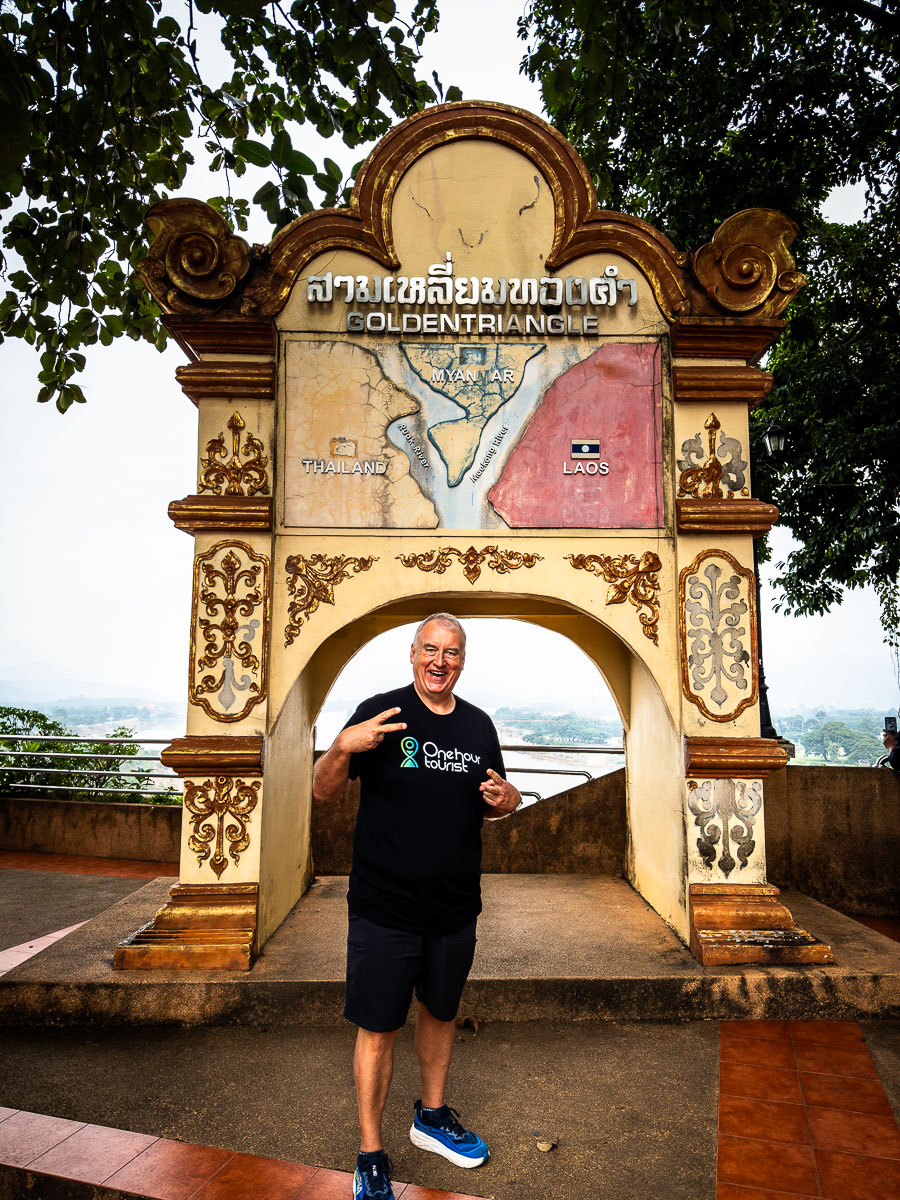
Just over an hour’s drive north of the city lies the Golden Triangle, where the borders of Thailand, Laos, and Myanmar meet. Once notorious for its opium trade, the area is now a fascinating cultural and historical region. Visitors can stand at the viewpoint overlooking the Mekong and Ruak rivers, visit the Hall of Opium Museum to learn about the region’s complex past, or take a boat trip along the river to see the three countries from the water. The area also offers charming villages, hill-tribe communities, and tranquil resorts for those who wish to stay overnight.
What to Do and See
Beyond its famous temples, Chiang Rai offers a variety of experiences that highlight its natural beauty and laid-back charm. Visit the Singha Park, a vast landscaped area with tea plantations, cycling trails, and zip lines. The park’s rolling hills are perfect for a relaxed morning walk or a scenic picnic. The Huay Pla Kang Temple, often called the Big Buddha Temple, is another highlight—its giant white statue of the Goddess of Mercy towers over the landscape and offers panoramic views of the countryside from inside her head.
For nature lovers, the Khun Korn Waterfall and Doi Mae Salong, a hilltop village once settled by Chinese soldiers, provide beautiful hiking and photography opportunities. Doi Mae Salong is also famous for its oolong tea plantations and cool mountain air, making it an ideal day trip.
A Journey Through Art, Faith, and Serenity
Chiang Rai may be smaller and quieter than other Thai cities, but it captures the essence of the country’s north—rich in art, tradition, and gentle hospitality. Whether you’re gazing at the surreal architecture of the White Temple, sipping tea among misty hills, or watching the clock tower light up the night, Chiang Rai offers a travel experience that feels both peaceful and profound. It’s a city that doesn’t shout for attention—it simply shines with quiet beauty, inviting you to slow down and take it all in.