
Docker Ghat and Dhaka’s River Repair Industry
Docker Ghat sits beside the Buriganga River near the older transport and industrial districts of Dhaka. Although relatively unknown outside Bangladesh, the area plays an important role in keeping the country’s river transport system functioning.
Bangladesh depends heavily on waterways for both passenger and cargo transport. Rivers connect huge parts of the country and, despite expanding road infrastructure, boats remain one of the most important methods of moving people and goods. Ferries, launches, cargo boats and fishing vessels operate constantly, creating huge demand for maintenance and repair.
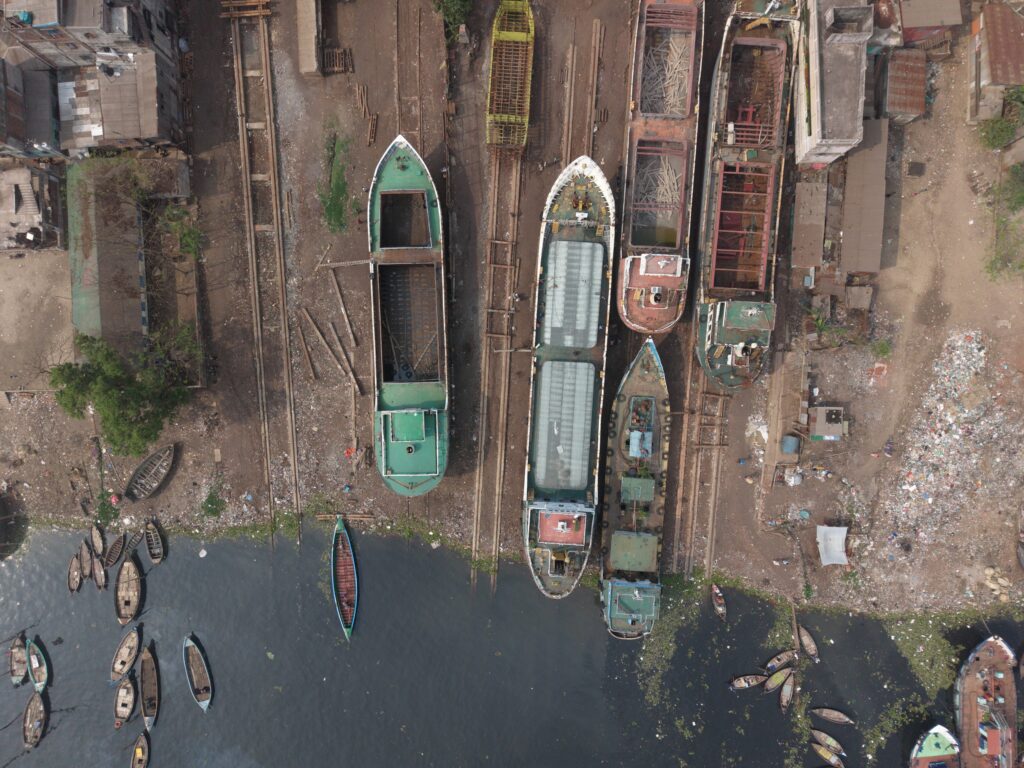
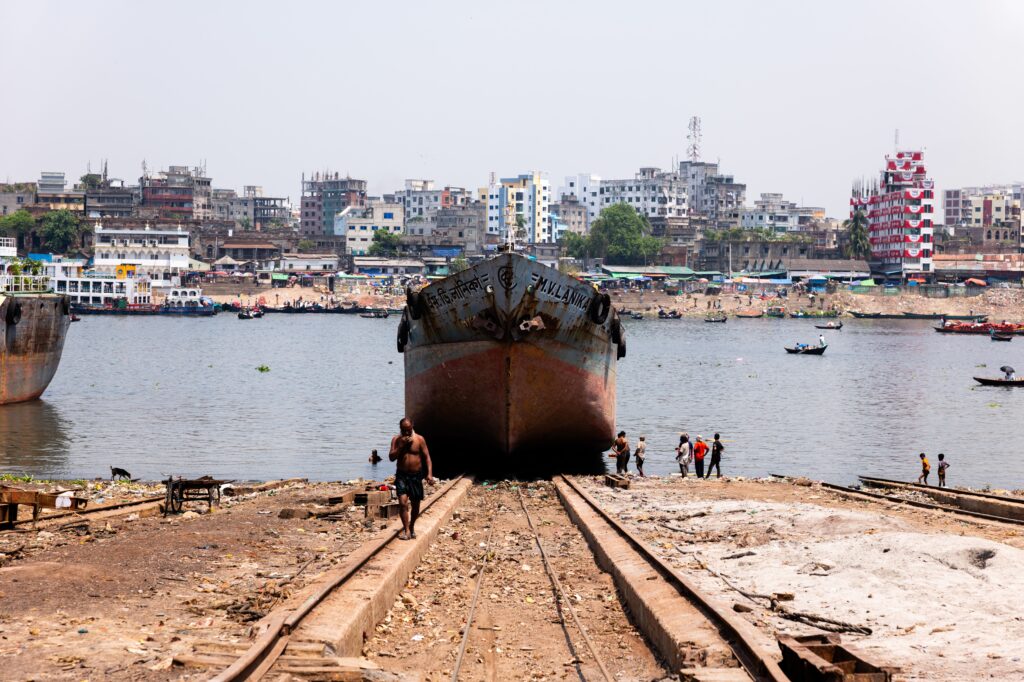
Unlike highly organised shipyards in places such as Singapore, South Korea or Europe, many repairs at Docker Ghat happen in extremely improvised conditions directly beside the river. Boats are often tied against muddy riverbanks while welding, repainting and structural repairs take place simultaneously around them.
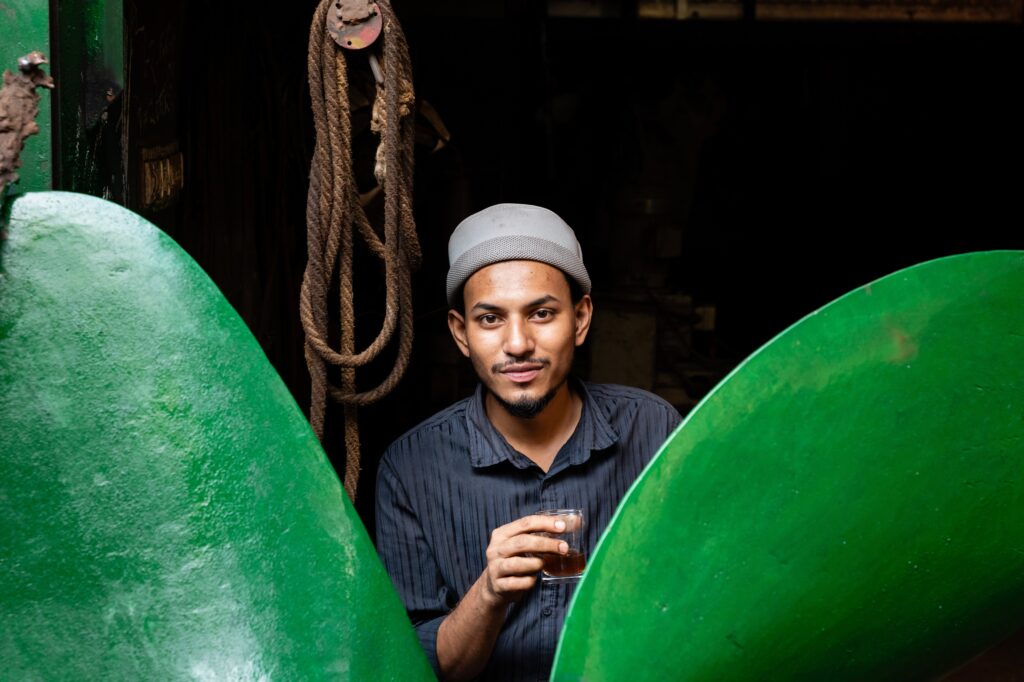
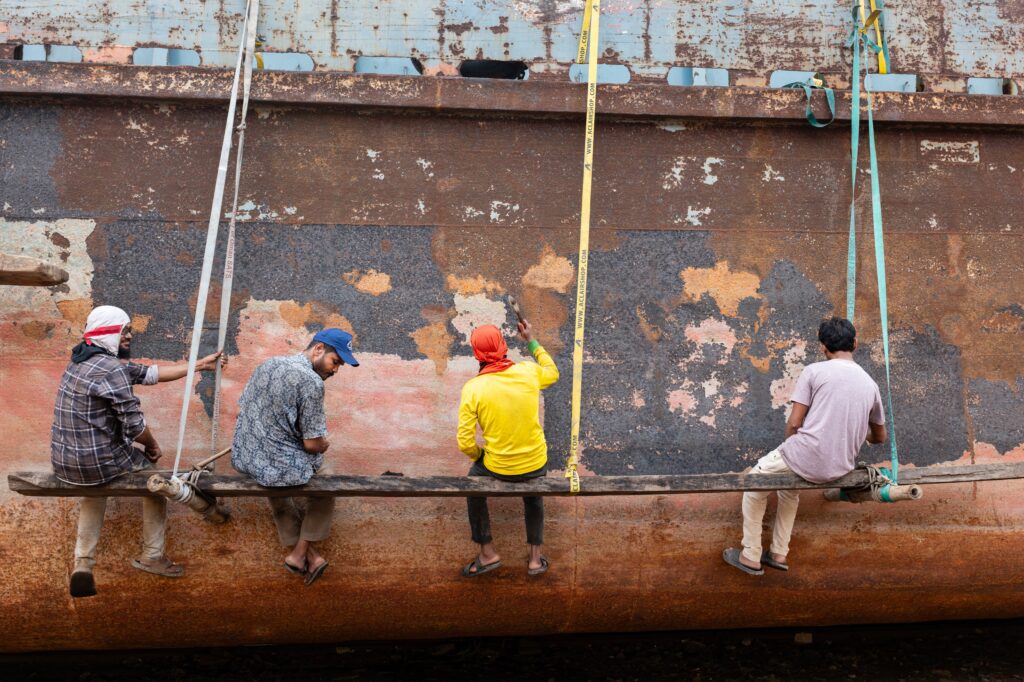
Walking through the area feels like entering a giant open-air mechanical workshop. Sparks fly from welders working inside rusted hulls while nearby workers sand old paint from passenger ferries preparing for overnight routes across Bangladesh. The environment is loud, hot and physically exhausting, yet the entire system operates with surprising speed and efficiency.
How the Industry Functions
Most vessels arriving at Docker Ghat are not luxury ships or large ocean-going cargo vessels. Instead, the repair ecosystem focuses on practical river transport:
- passenger launches
- local ferries
- cargo boats
- fishing vessels
- small commuter boats
- wooden transport craft
Repairs are often highly manual. Workers carry steel sheets by hand, engines are dismantled beside the river and bamboo scaffolding replaces expensive industrial infrastructure.
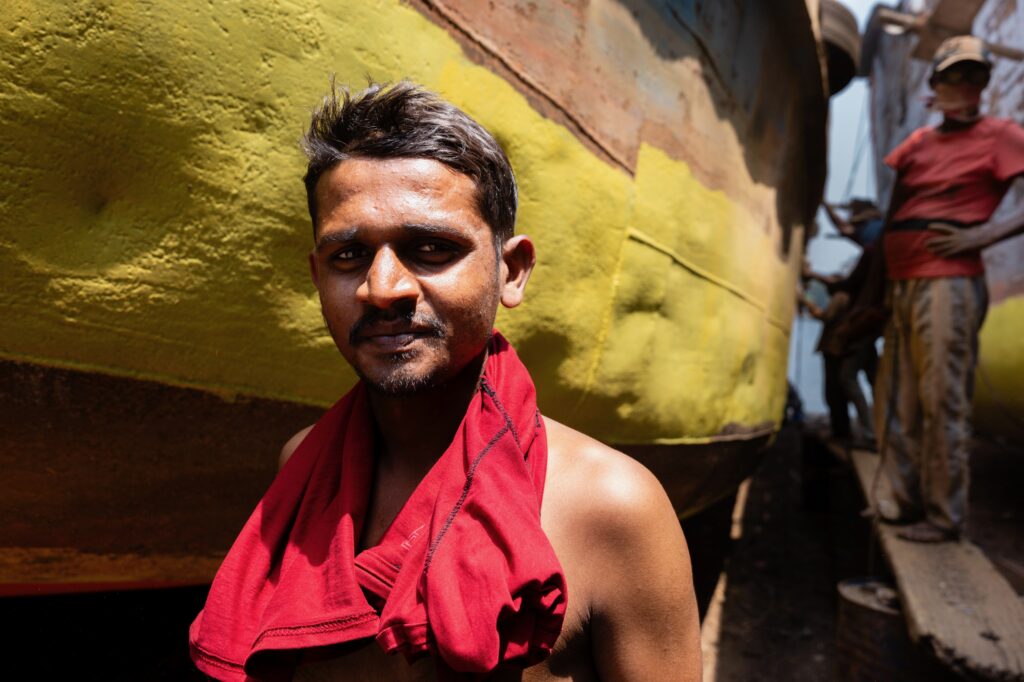
The workforce is made up largely of migrants from poorer rural regions who travel to Dhaka seeking employment. Many work long days performing physically demanding labor in difficult conditions with limited safety equipment.
One of the most remarkable aspects is how quickly repairs are completed. Boats generate income only while operating, so owners push to minimise downtime. Entire teams may work simultaneously on different sections of the same vessel to return it to service as fast as possible.
The yards also support an entire informal economy around them. Food sellers, tea stalls, metal suppliers, painters, mechanics and transport workers all rely on the constant movement of boats through the area.
The Atmosphere Around the River
The riverfront surrounding Docker Ghat is almost as interesting as the ship repair itself.
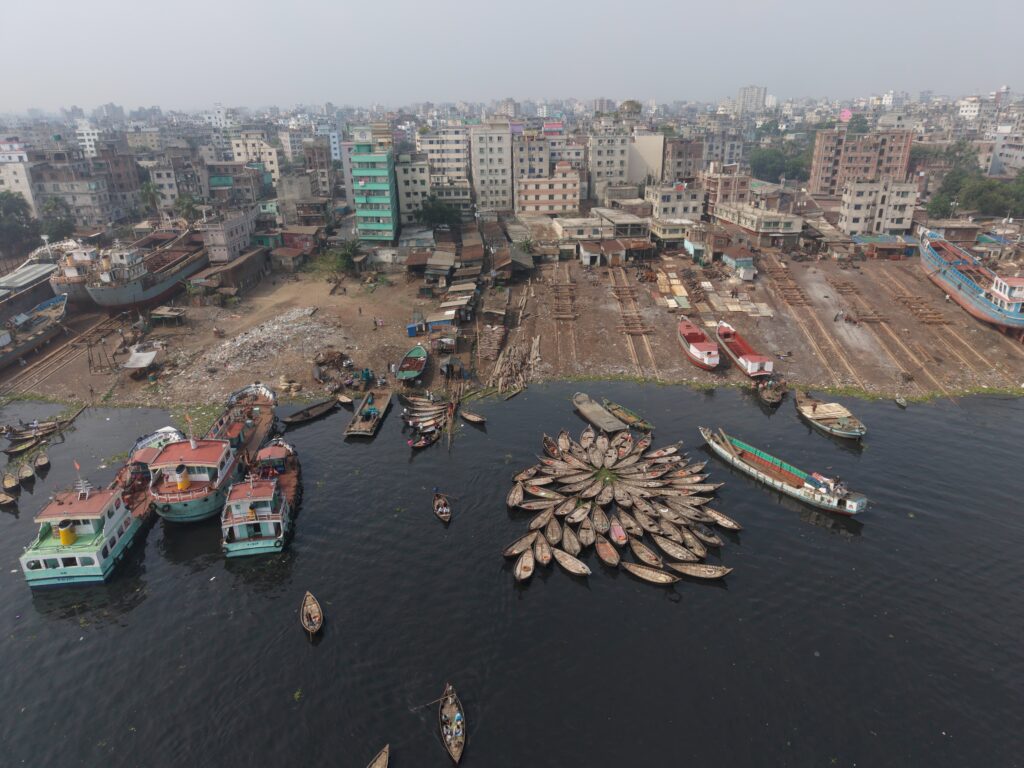
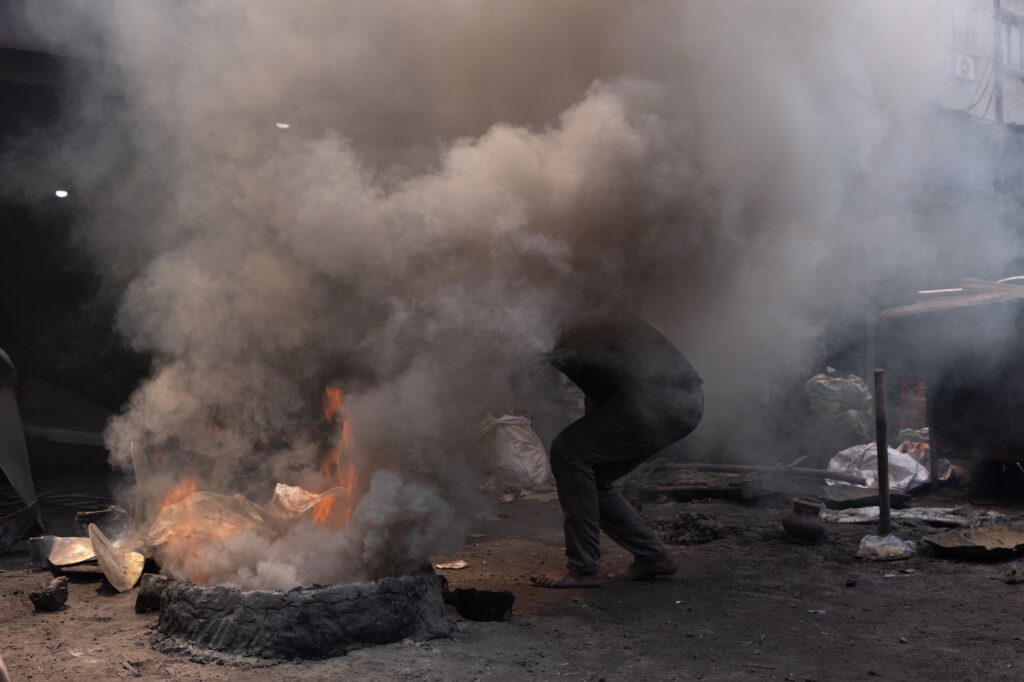
Hundreds of small boats move continuously along the Buriganga carrying workers, passengers and materials between different parts of Dhaka. The air smells of diesel, river mud, smoke and fresh paint. Loud hammering competes with engine noise and the sound of welding equipment.
The visual layering is extraordinary. Rusted hulls sit beside brightly painted ferries. Workers sleep inside partially repaired boats while others cook meals over small fires beside piles of scrap metal. Children occasionally play along the riverbank while industrial activity continues around them.
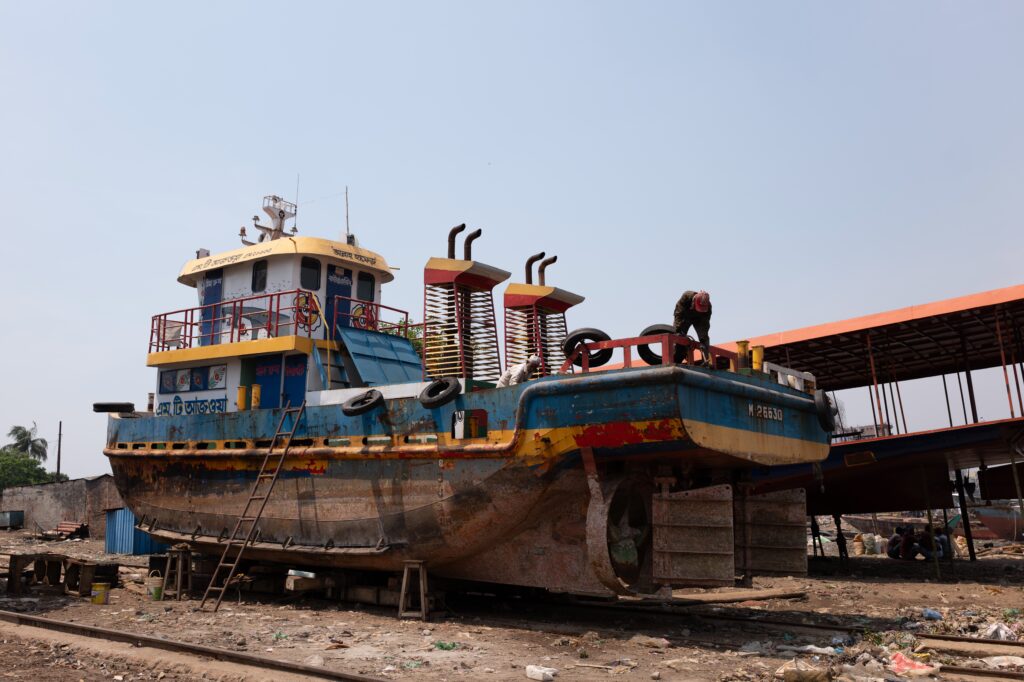
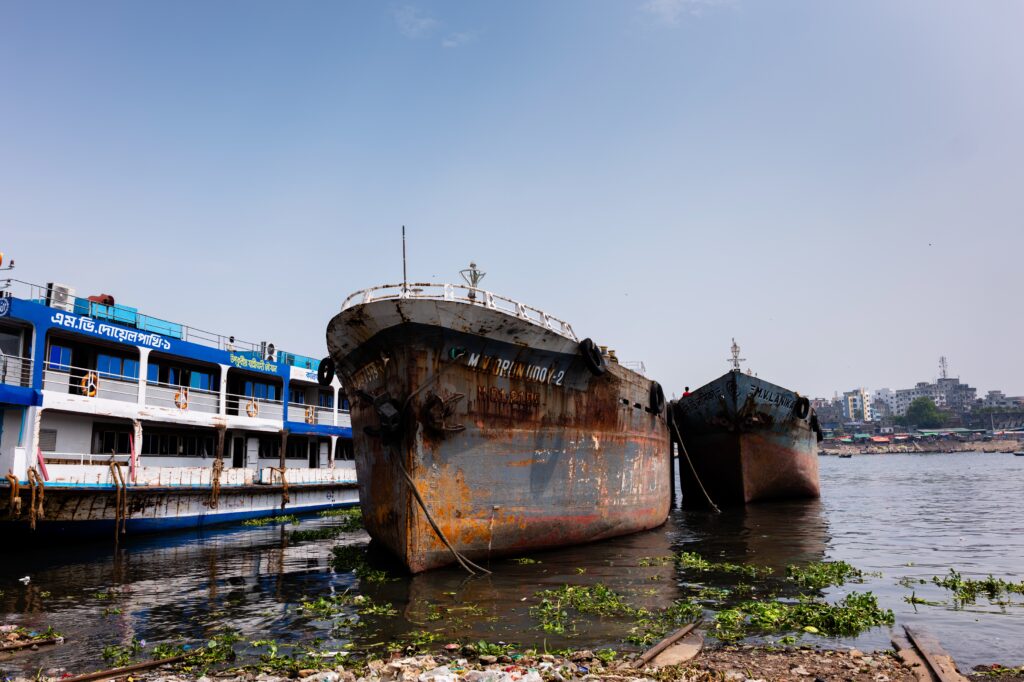
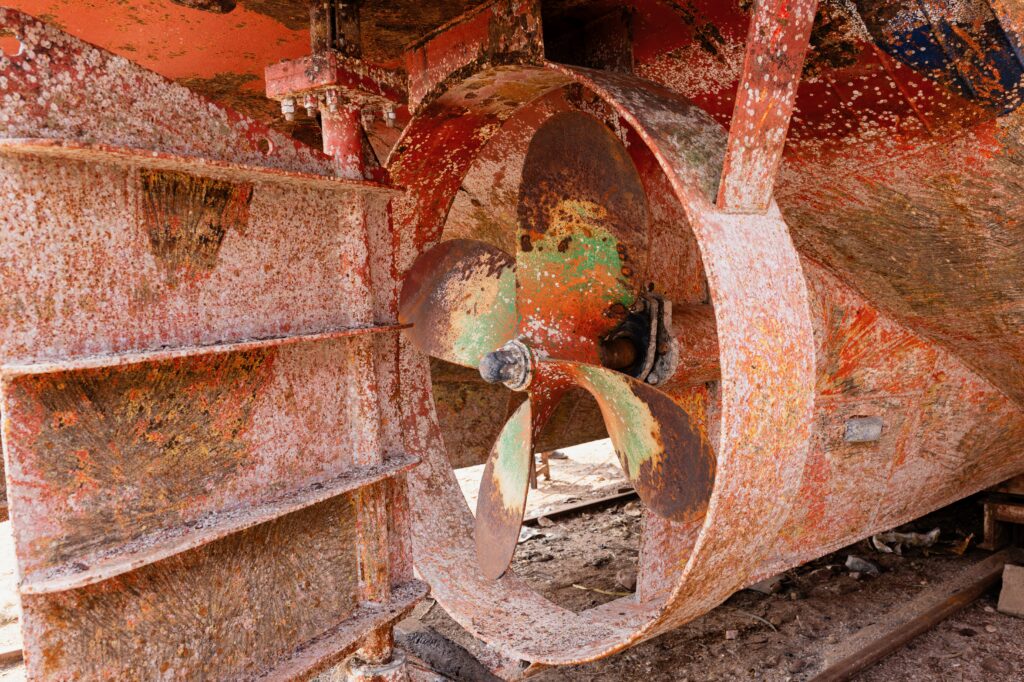
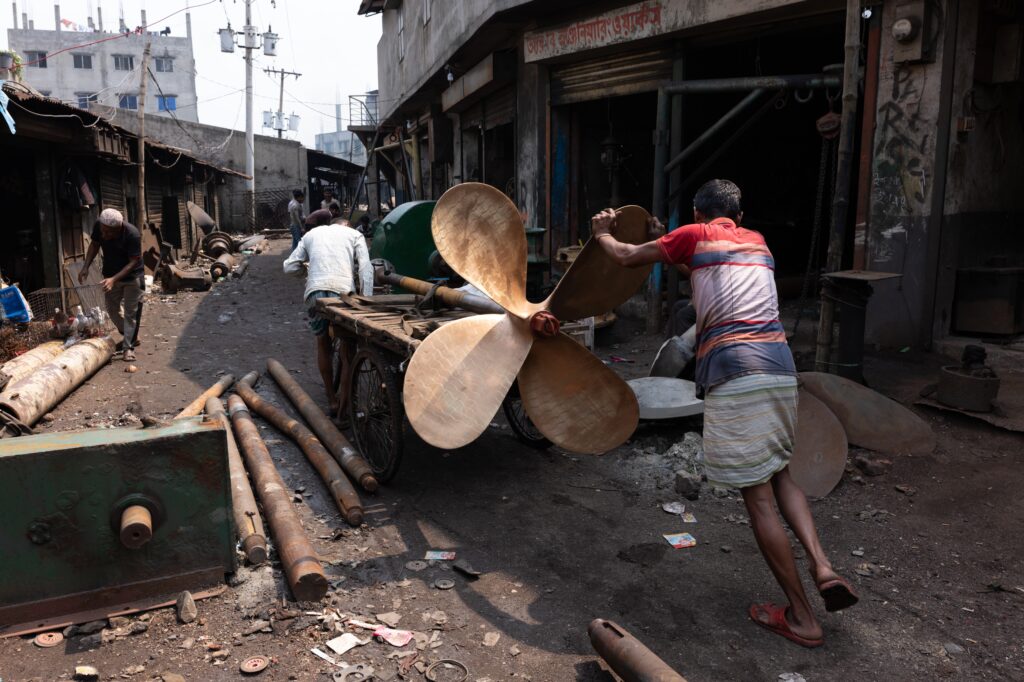
The contrast between hardship and color makes the area particularly compelling photographically. Even heavily damaged vessels are often painted with vibrant blues, reds and greens that reflect beautifully in the river during softer morning or evening light.
Photography at Docker Ghat
For photographers and filmmakers, Docket Ghat offers endless opportunities for documentary-style imagery.
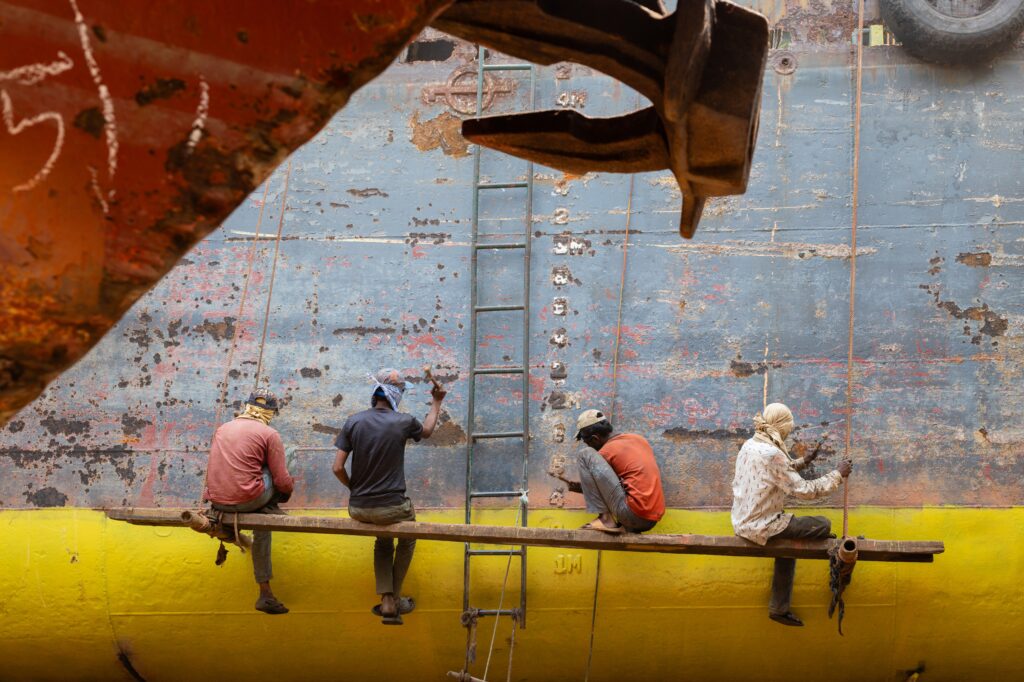
The strongest photographs usually focus on:
- workers interacting with machinery
- welding sparks
- human expressions during labor
- layers of boats along the river
- smoke and haze during golden hour
- reflections in polluted water
- textures of rust, paint and steel
Wide-angle lenses work particularly well because of the density of activity. Every frame contains layers of people, boats and industrial details.
Longer lenses can also help isolate emotional moments — workers resting between shifts, painters balancing above the river or mechanics repairing engines in dark compartments.
The best light usually occurs:
- shortly after sunrise
- late afternoon
- just before sunset
Midday can become extremely harsh due to heat, direct sunlight and heavy haze.
Drone photography can be visually incredible if conditions and regulations allow, especially showing the density of boats packed along the riverbanks. However, the area is crowded and sensitive, so flying discreetly and responsibly is essential.
Rickshaws and the Streets Around Docker Ghat
The approach roads leading toward Docker Ghat are part of the experience themselves.
Large numbers of cycle rickshaws gather near transport areas carrying workers and passengers between the riverfront and surrounding neighborhoods. Traffic feels almost permanently gridlocked as rickshaws, trucks, buses and pedestrians compete for space.
The streets are narrow, noisy and visually chaotic in the best possible way. Mechanics work directly beside roads while welding shops spill into alleyways and tea stalls remain packed with laborers throughout the day.
Even after leaving the shipyards, the surrounding streets continue the same energy and atmosphere. The entire district feels built around movement, repair and survival.
Why Docker Ghat Fits One Hour Tourist
Docker Ghat is not comfortable tourism. It is intense, loud, dirty and occasionally confronting.
But within one or two hours, it offers something increasingly difficult to find in modern cities — a completely unfiltered look at how a huge urban economy functions at ground level.
For travellers interested in photography, industry, documentary storytelling or simply seeing a side of Dhaka most visitors never experience, Docker Ghat becomes one of the city’s most memorable and visually powerful activities.