
The History of Old Dhaka
Old Dhaka traces its origins back more than 400 years to the Mughal period. In 1608, Dhaka became the capital of Mughal Bengal and rapidly developed into one of the most important cities in the region. During the seventeenth century, merchants from Persia, Armenia, Portugal and Britain established trading links through the city, helping transform it into a major commercial centre.
The city became particularly famous for its production of muslin, a fabric so fine that it was exported across Asia, Europe and the Middle East. At its peak, Dhaka was one of the wealthiest cities in the Mughal Empire and home to a remarkably diverse population.
The British colonial period brought further expansion. Administrative buildings, courts, educational institutions and commercial premises were constructed, many of which influenced the architectural character still visible today.
As Dhaka expanded during the twentieth century, much of the city’s government, banking and corporate activity gradually shifted northwards into newer districts such as Motijheel, Gulshan and Banani. However, Old Dhaka retained its importance as a trading and commercial hub, particularly for wholesale businesses, manufacturing and specialist markets.
What Happens in Old Dhaka Today?
Although no longer the centre of government or modern finance, Old Dhaka remains one of the busiest economic districts in Bangladesh.
Thousands of small businesses operate from buildings that often appear far too small for the volume of activity taking place inside them. Entire streets specialise in particular trades:
- textiles
- electrical goods
- hardware
- spices
- food products
- printing
- plastics
- metalwork
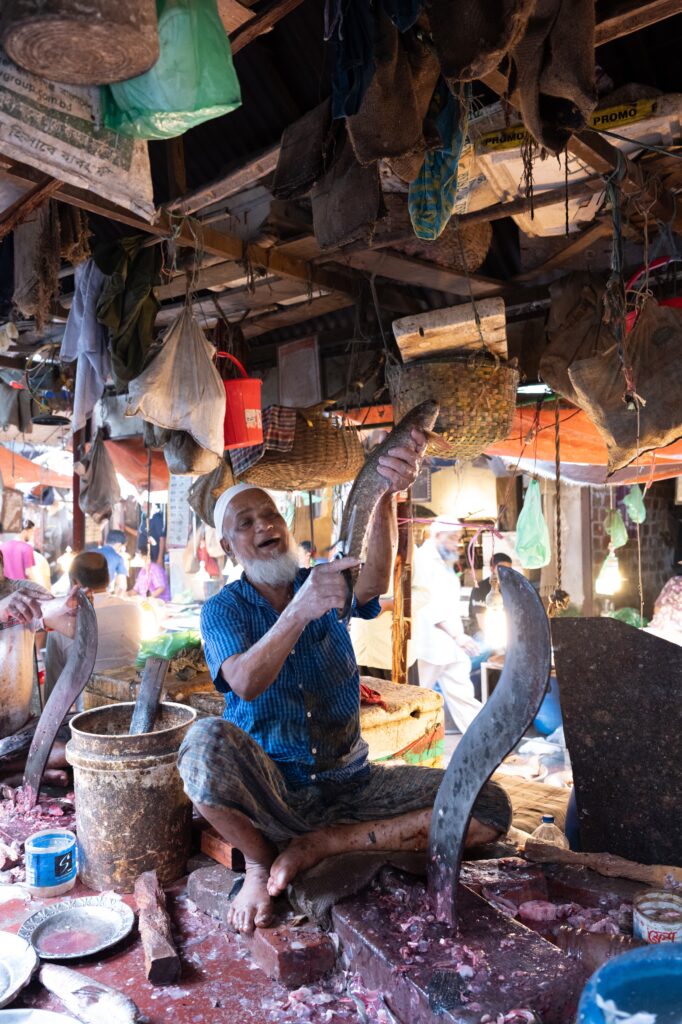
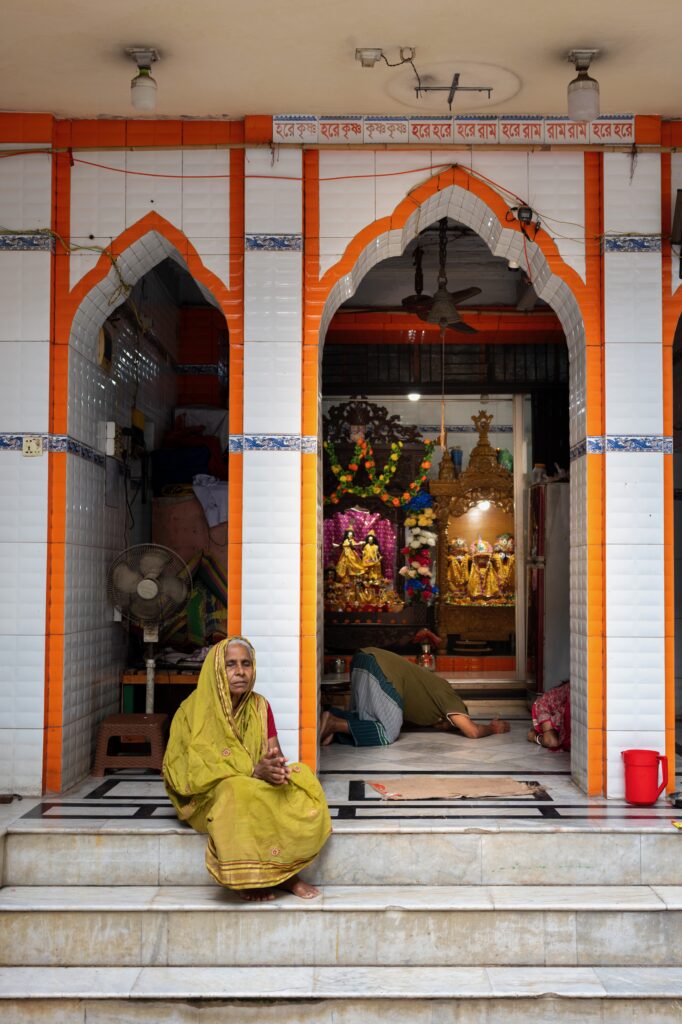
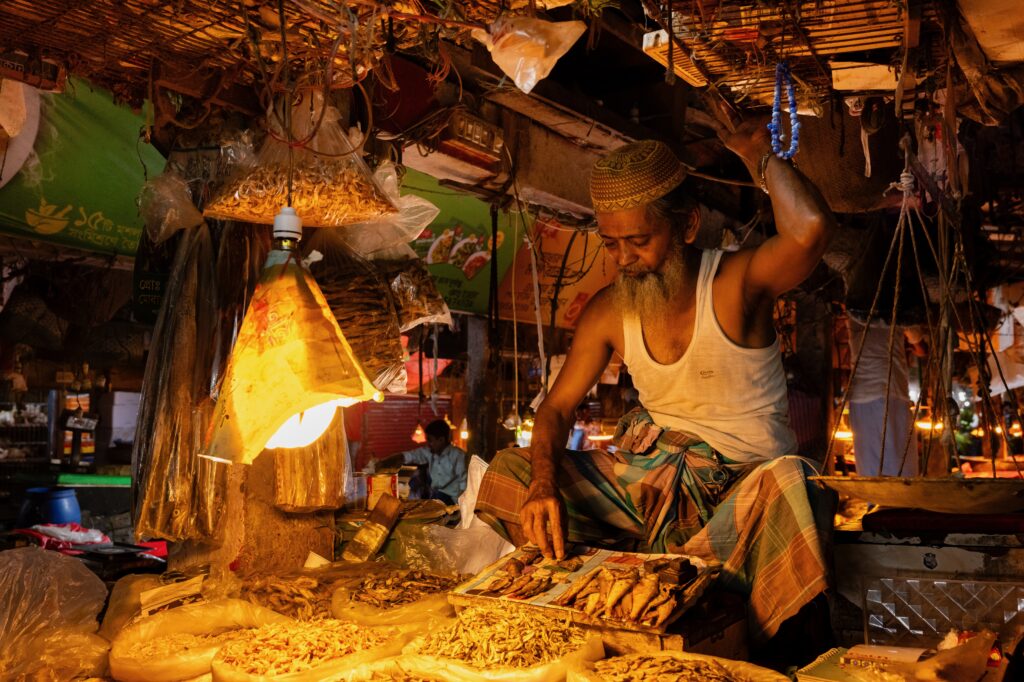
Many businesses occupy the same premises their families have used for generations.
The area is also home to large residential populations. Unlike modern business districts that become quiet after office hours, Old Dhaka remains active throughout the day and night because people both live and work within the same neighbourhoods.
Many families occupy upper floors while shops and workshops operate below. This creates a unique environment where commerce and daily life blend together almost seamlessly.
The Streets, Alleys and Traffic
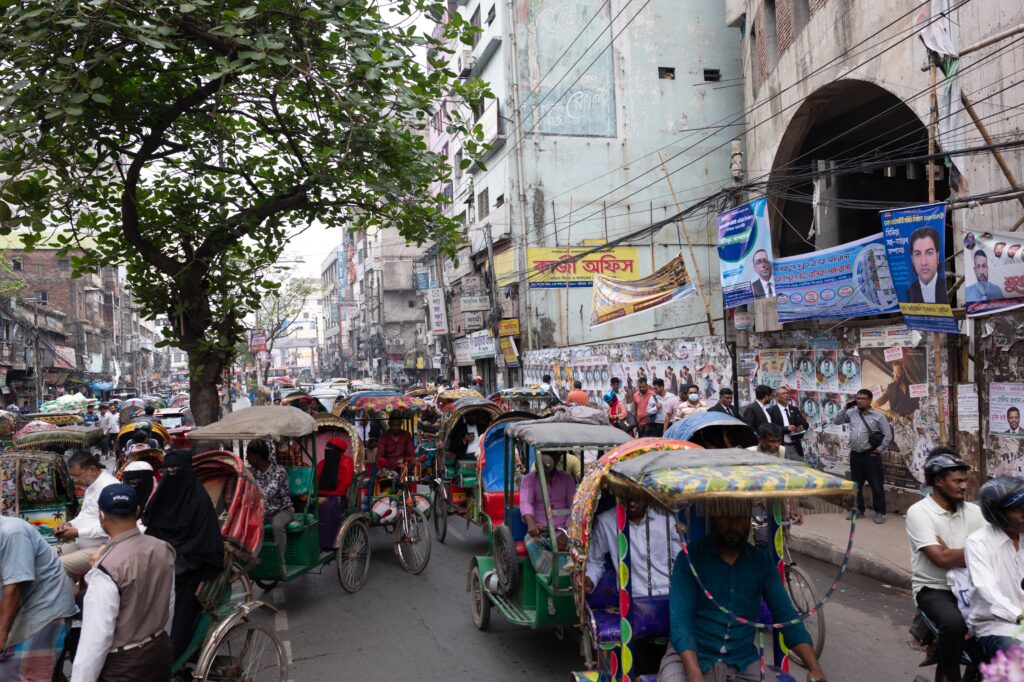
Perhaps nothing defines Old Dhaka more than its streets.
Many roads were originally designed centuries ago for pedestrians, carts and animals rather than modern vehicles. As a result, today’s traffic feels almost impossible.
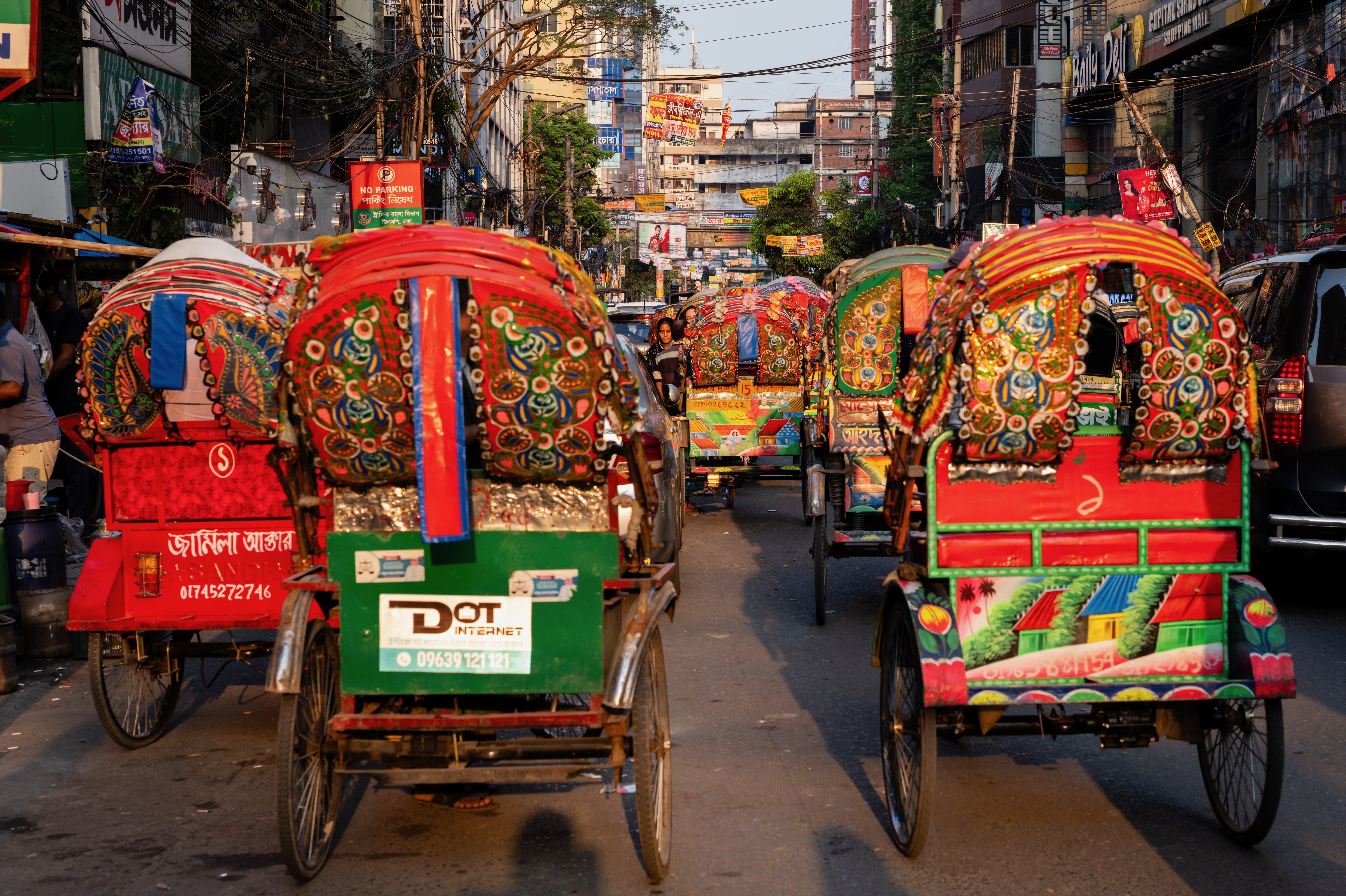
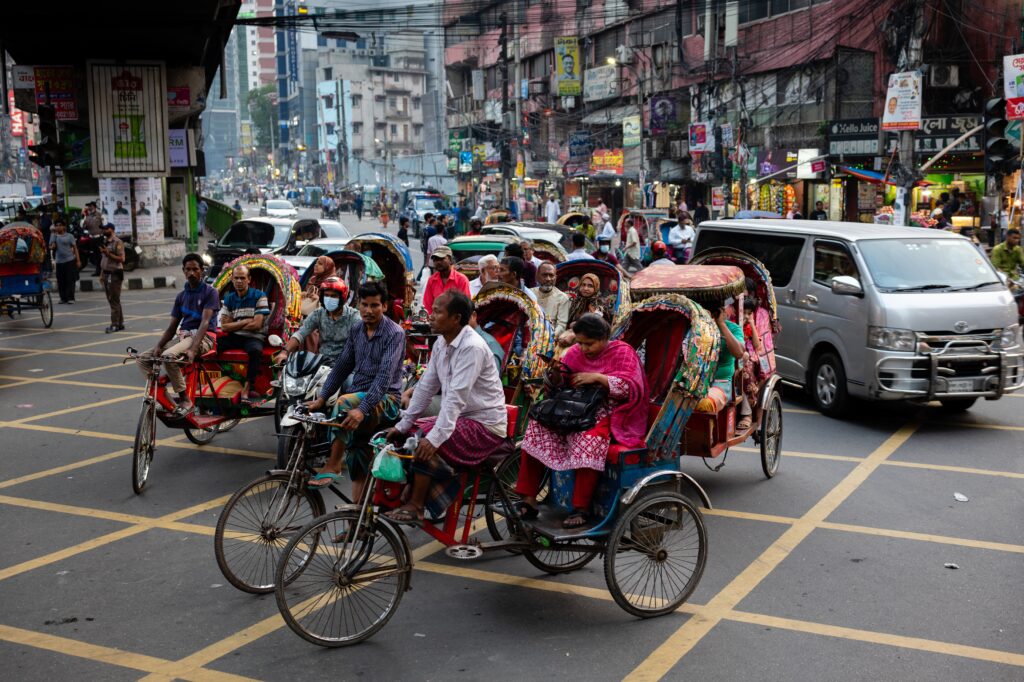
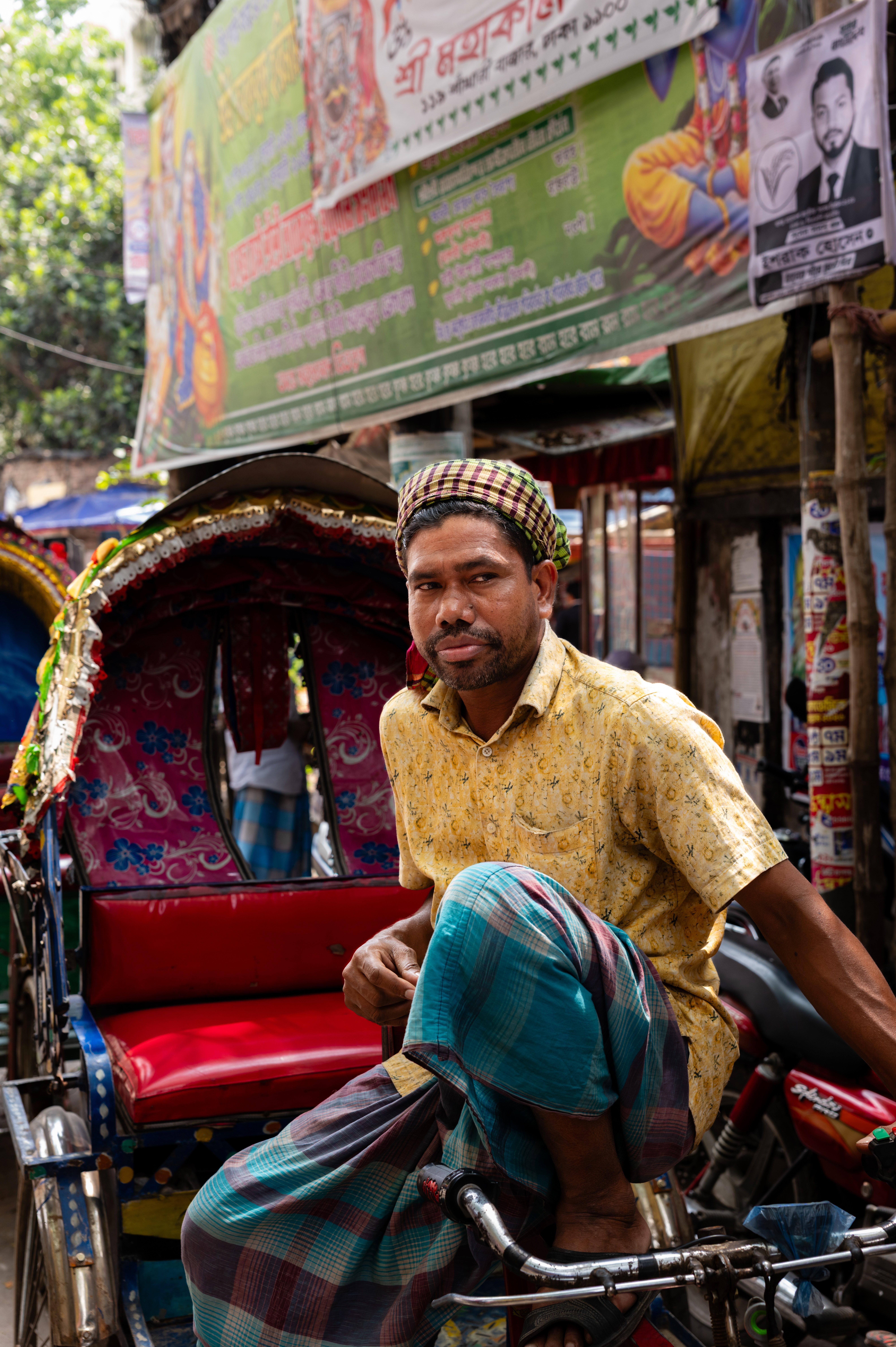
Rickshaws dominate much of the transport network. They weave between delivery carts, motorcycles, pedestrians and small trucks in spaces that often seem physically incapable of accommodating them all.
What appears chaotic at first eventually reveals an unwritten system. Drivers, pedestrians and vendors somehow negotiate movement through streets that frequently appear gridlocked.
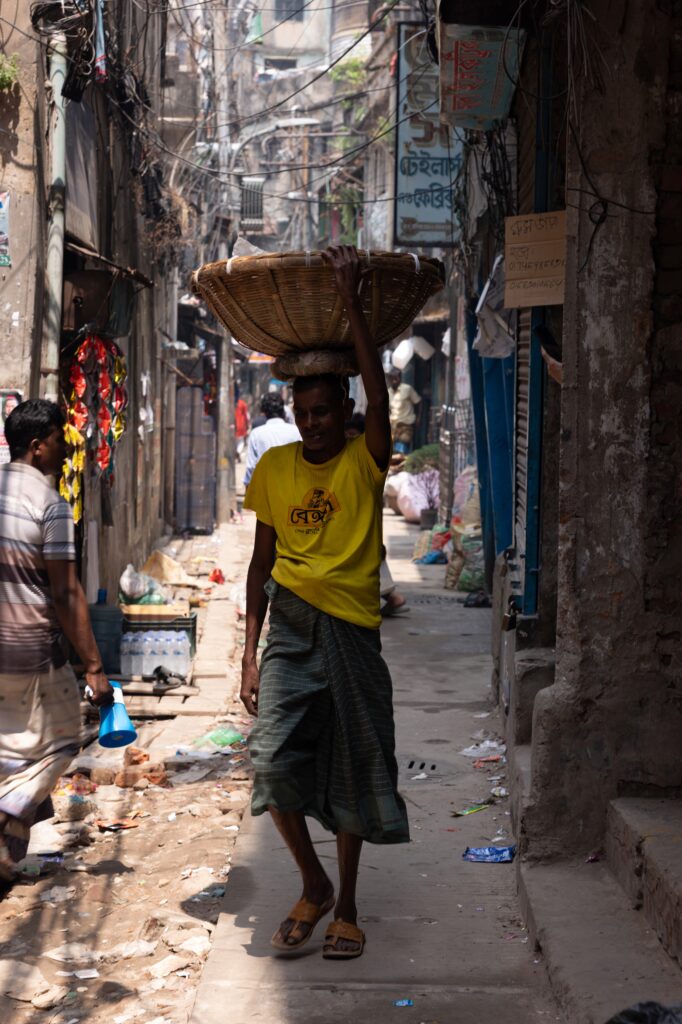
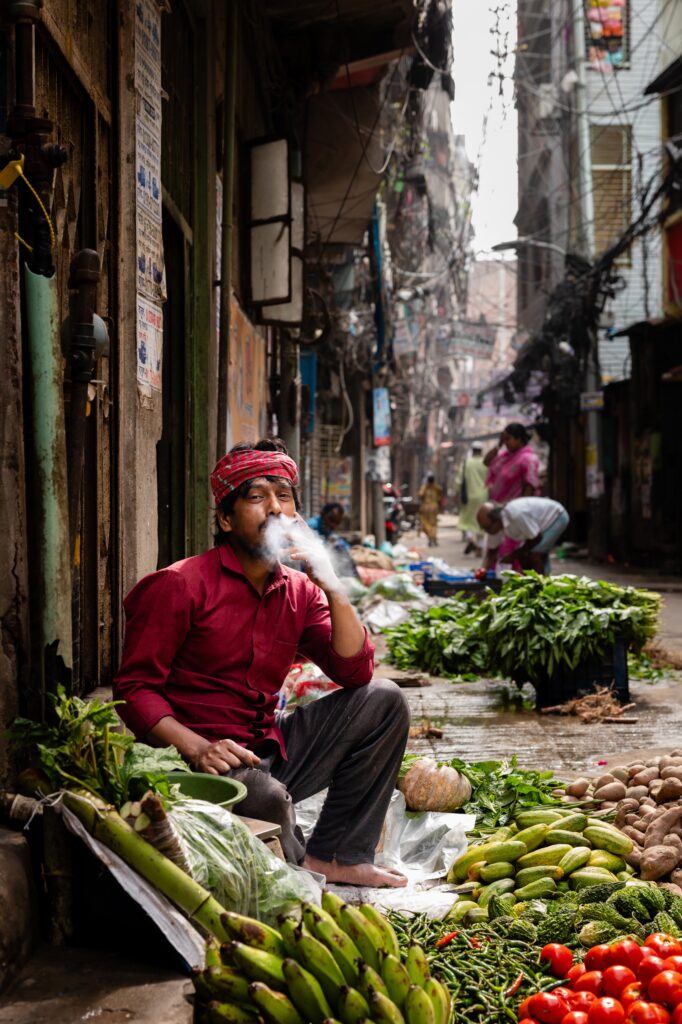
The narrow alleyways are even more fascinating. Some are barely wide enough for two people to pass comfortably, yet they may contain dozens of homes, workshops and businesses operating simultaneously.
For photographers, these streets provide an endless supply of colour, texture and human activity.
The People and Their Homes
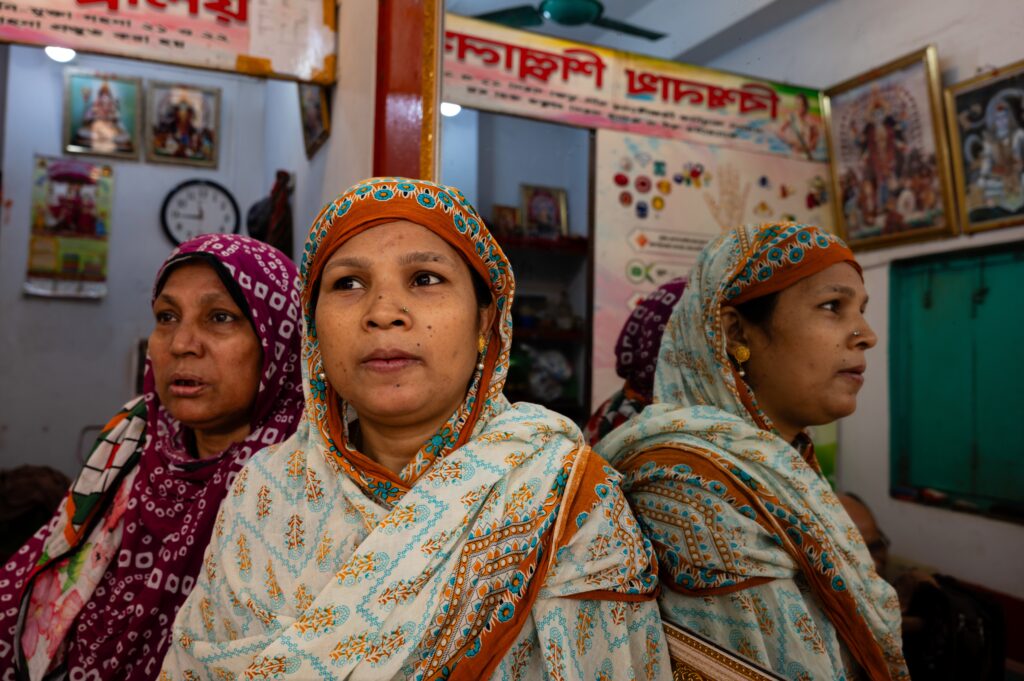
Old Dhaka is home to a remarkably diverse population.
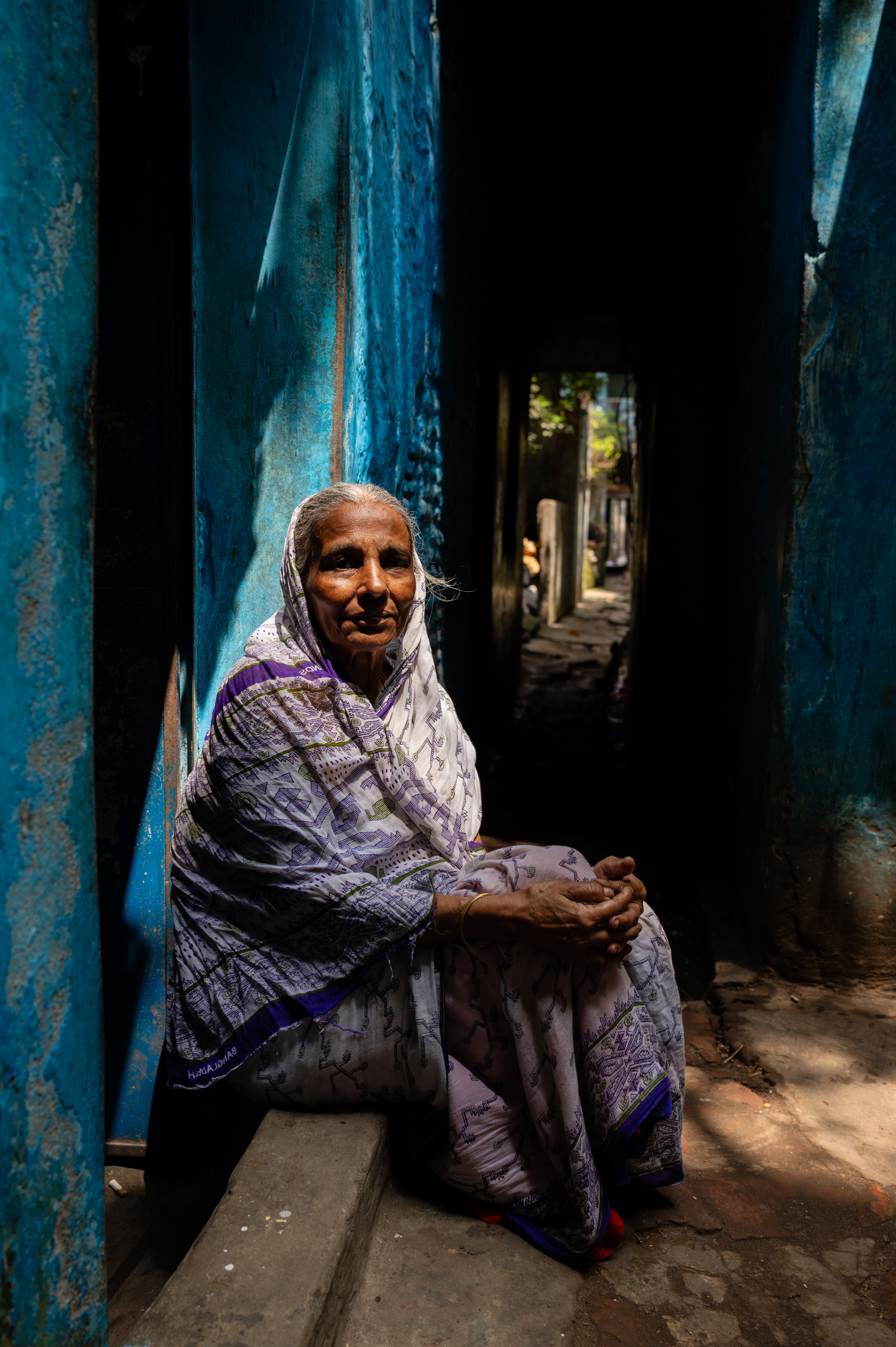
Long-established merchant families live alongside labourers, traders, students and small business owners. Many residents can trace their family’s connection to the area back several generations.
Housing styles vary dramatically. Some buildings feature beautiful colonial-era balconies and decorative facades, while others have been modified repeatedly over decades to accommodate growing populations and changing business needs.
Many homes sit directly above shops, warehouses or workshops. Looking upward often reveals washing lines, rooftop water tanks, balconies crowded with plants and evidence of daily life unfolding above the commercial streets below.
The density can be extraordinary. Entire extended families may live within buildings occupying only a small footprint on the street.
The Courts and the Advocates
One of the more distinctive areas of Old Dhaka surrounds the court district.
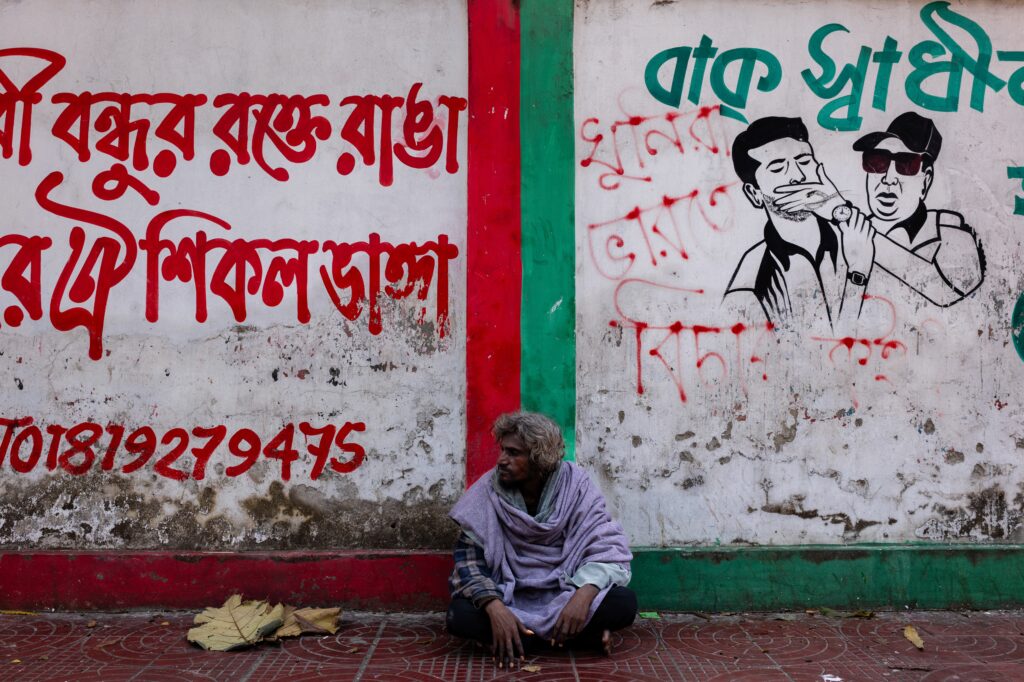
The Supreme Court and various legal offices have long made this area a gathering place for advocates, clerks, clients and legal professionals. Unlike many countries where lawyers work primarily from large corporate offices, much of the legal activity in Dhaka remains highly visible on the street.
Advocates move between court buildings carrying files and paperwork. Small legal chambers occupy upper floors above busy streets. Tea stalls become informal meeting places where clients discuss cases and legal matters.
The presence of the legal profession creates a unique atmosphere that contrasts sharply with the surrounding commercial districts.
For visitors, it offers an interesting glimpse into another layer of daily life in Old Dhaka.
Photography in Old Dhaka
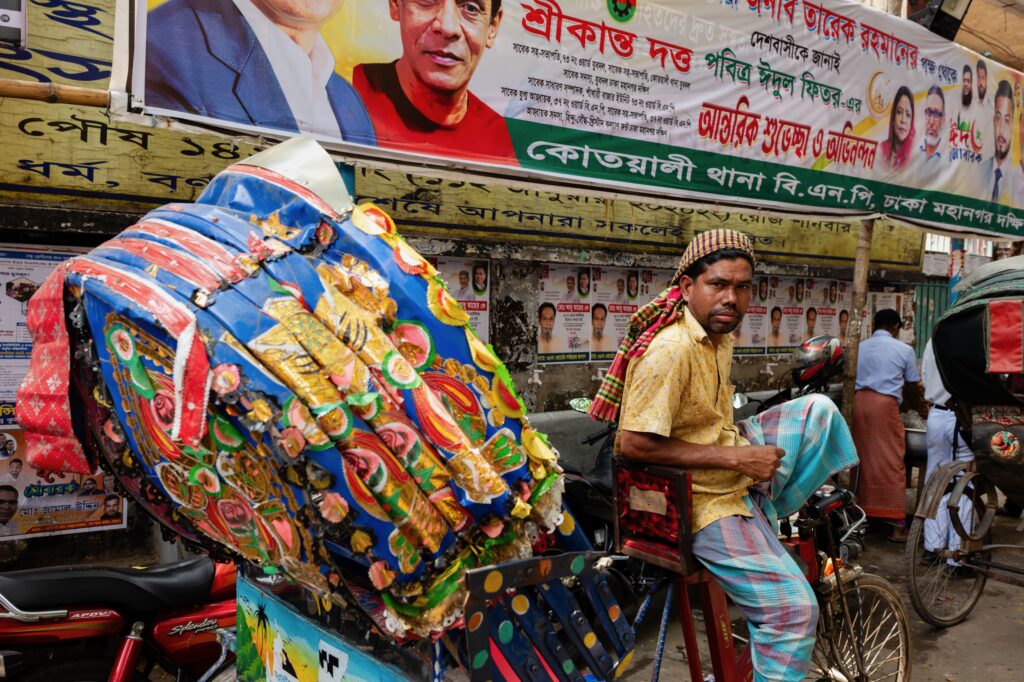
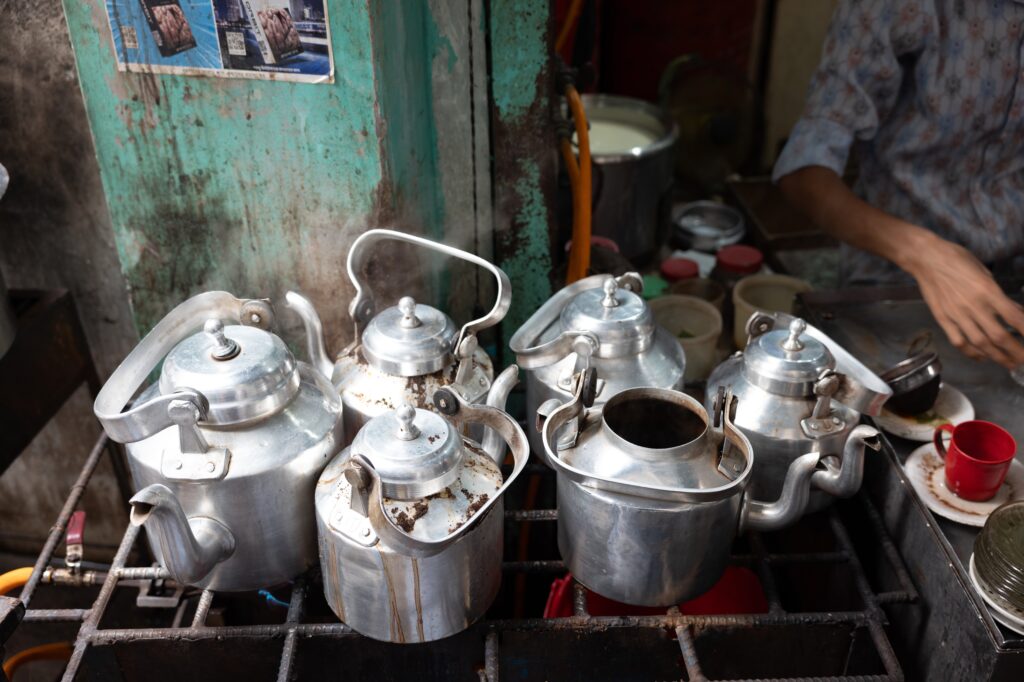
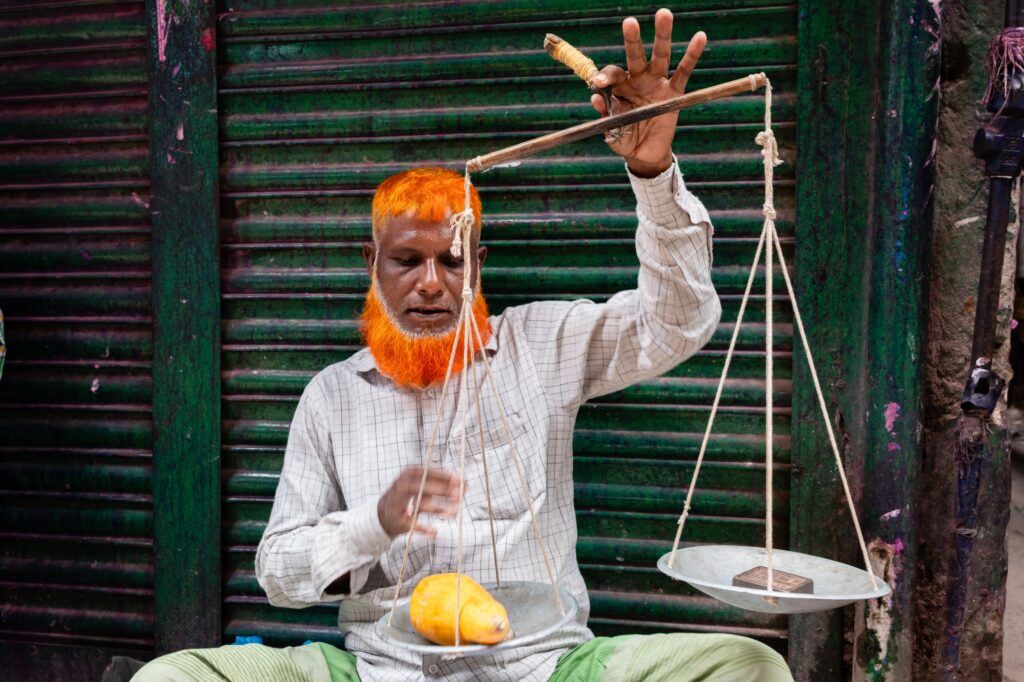
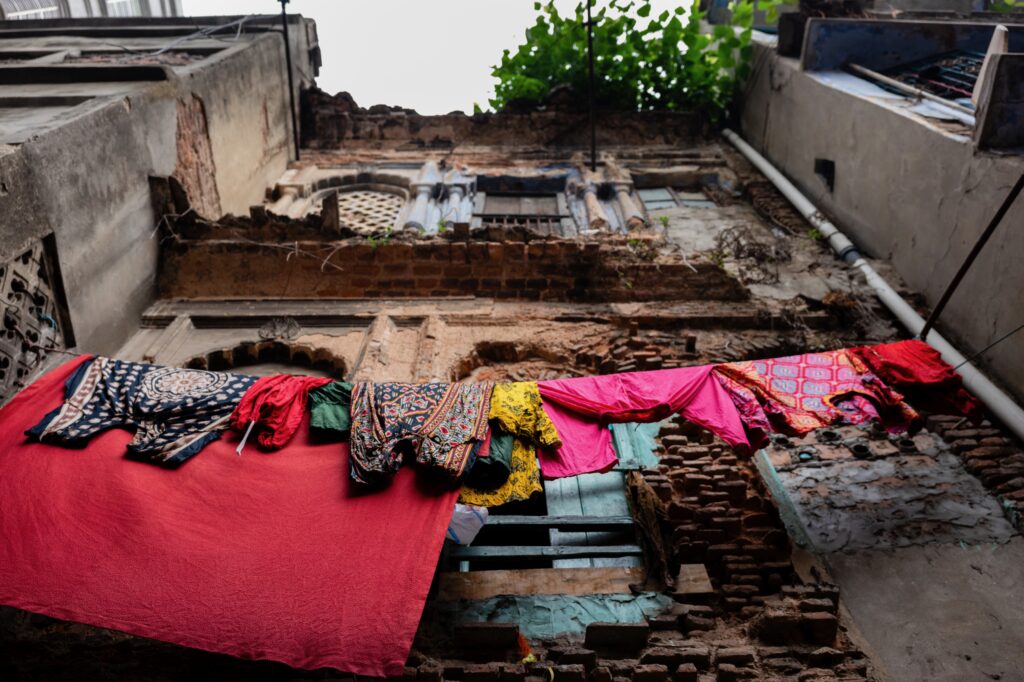
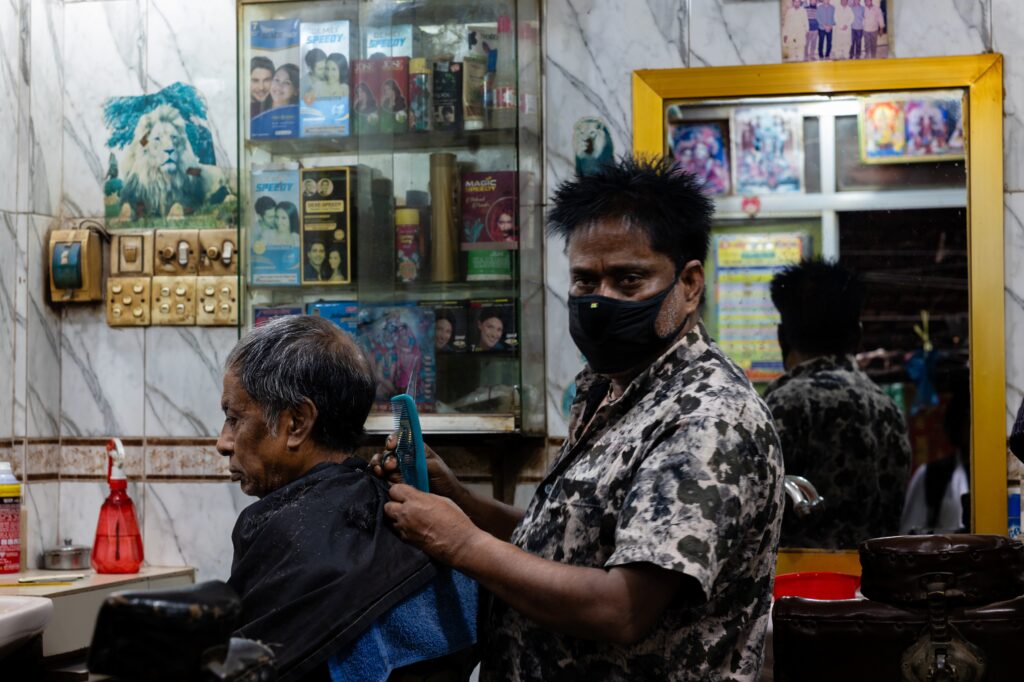
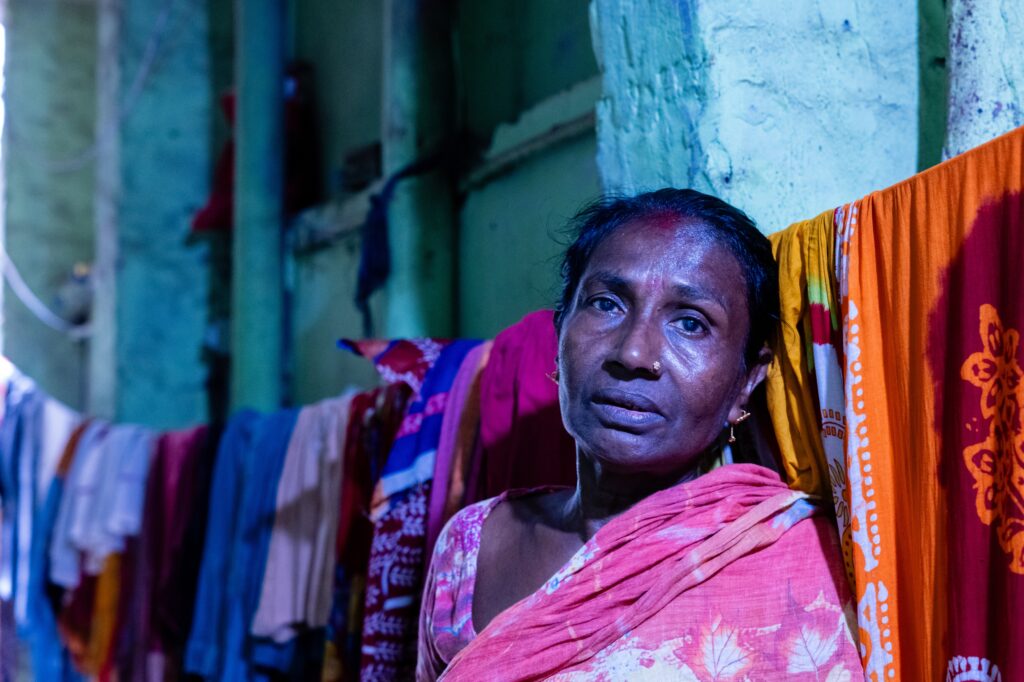
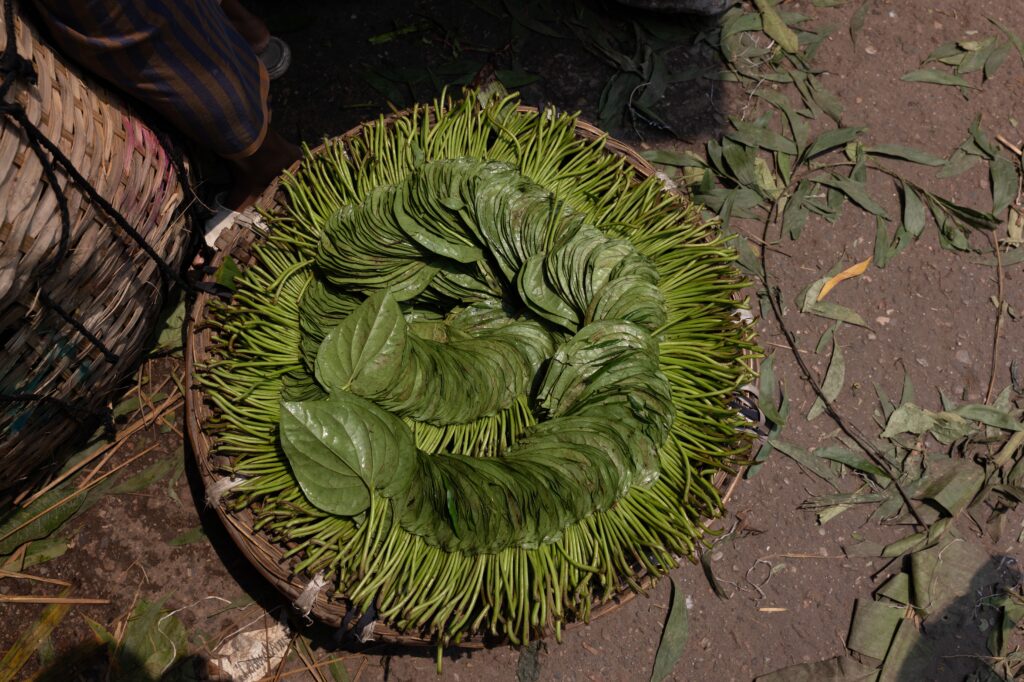
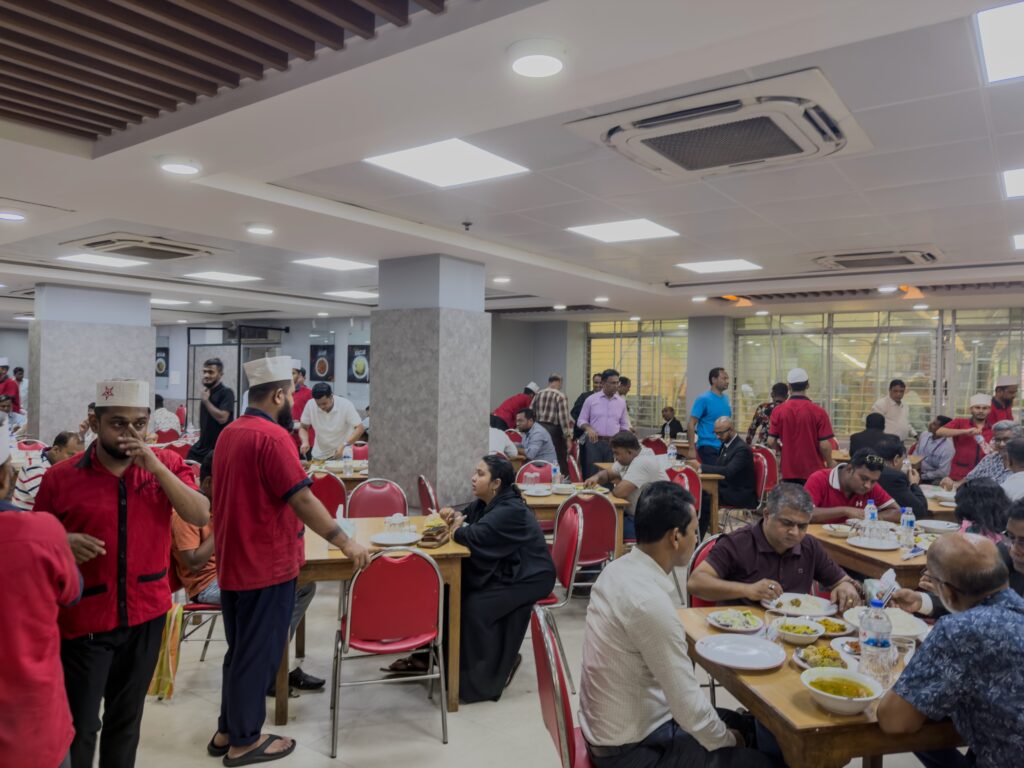
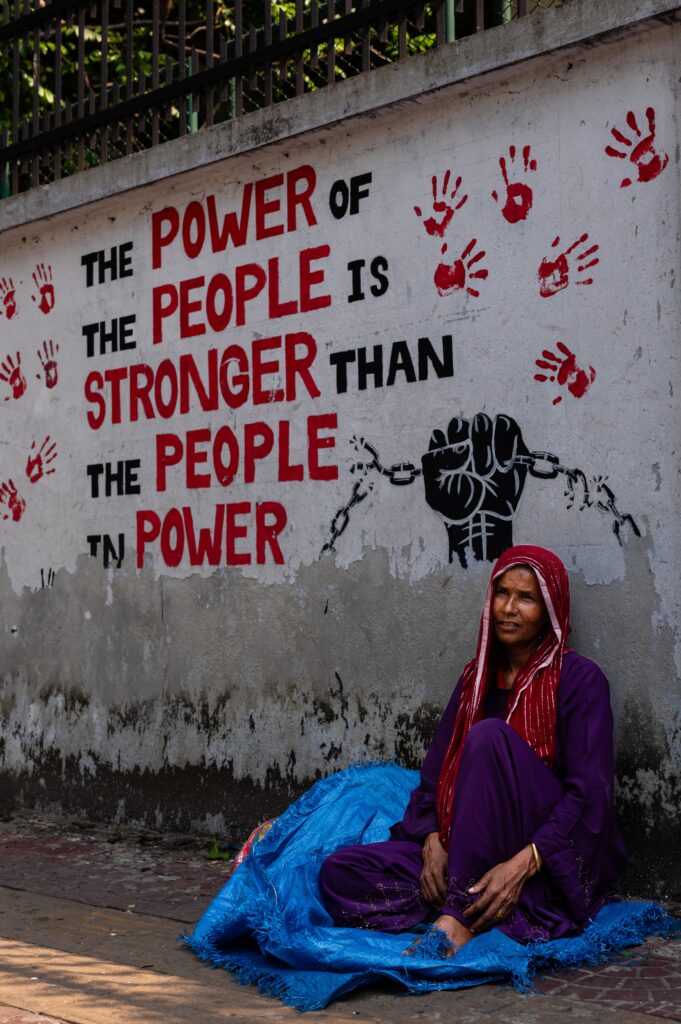
Old Dhaka is one of the most rewarding photography locations in South Asia.
The combination of:
- dense urban life
- historic architecture
- colourful transport
- street commerce
- human interaction
creates opportunities around every corner.
Wide lenses work particularly well in the narrow streets, while moderate telephoto lenses allow photographers to isolate individuals within the chaos.
The strongest images often focus on:
- rickshaw drivers
- shopkeepers
- street food vendors
- advocates outside the courts
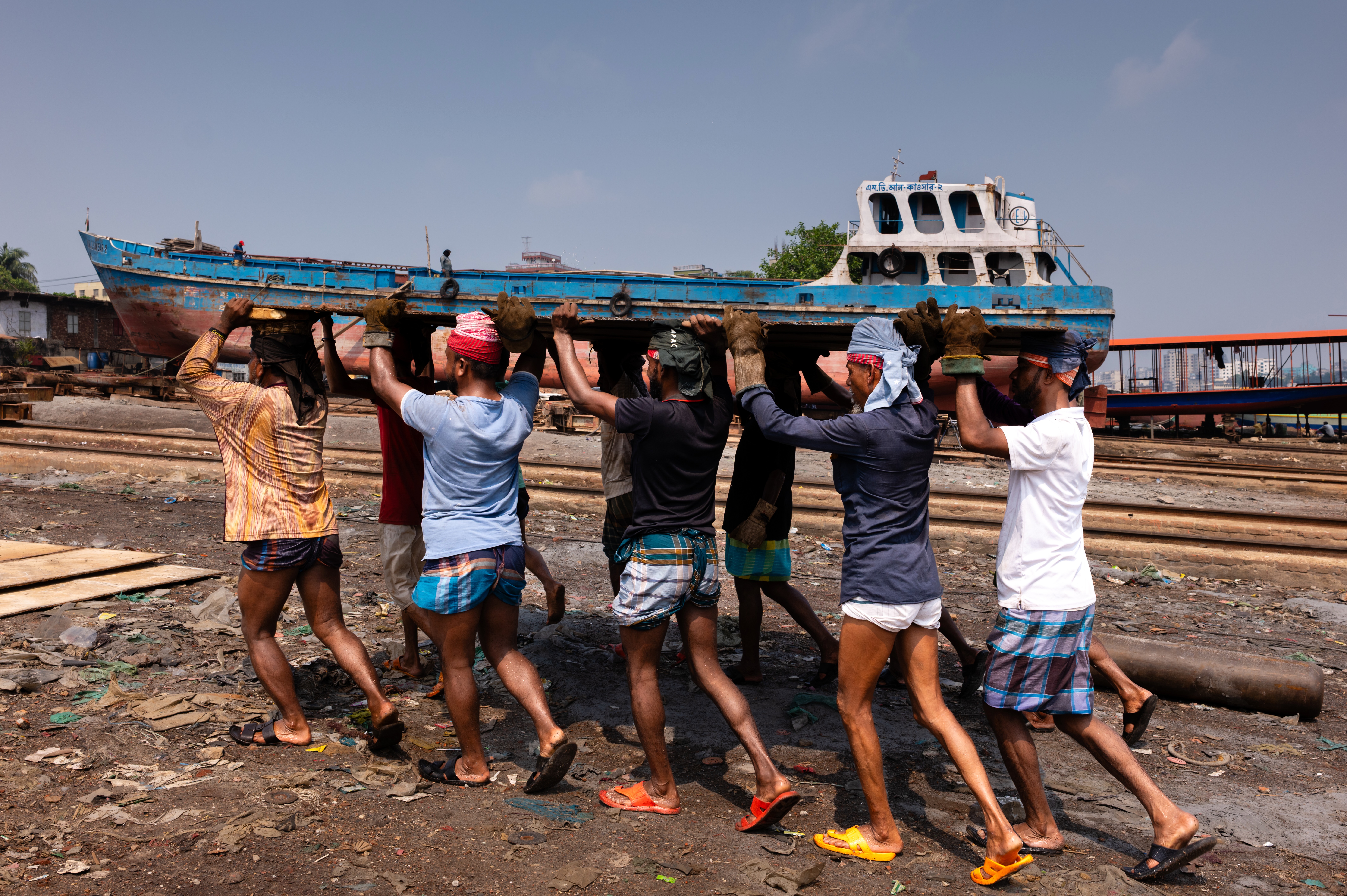
- workers loading goods
- daily interactions between residents
Early morning and late afternoon generally provide the best light and most interesting activity.
Why Old Dhaka Fits One Hour Tourist
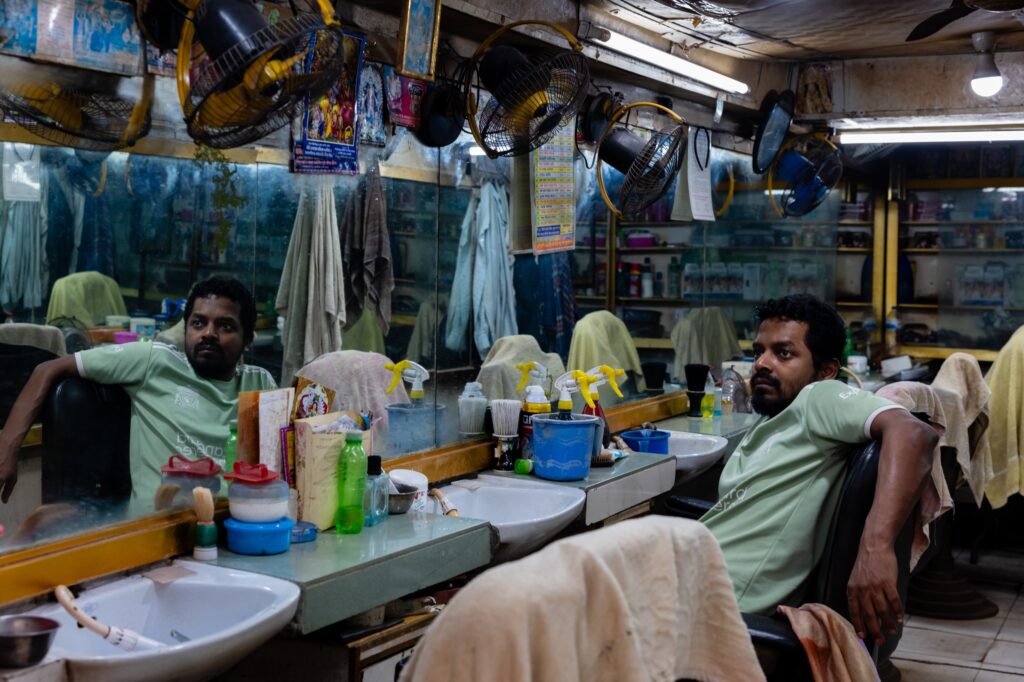
Old Dhaka is not a place to tick off attractions from a list.
It is a place to wander, observe and absorb.
Within a single hour you can experience centuries of history, witness a remarkable concentration of commerce and encounter thousands of people going about their daily lives. The streets may be crowded, the traffic overwhelming and the noise relentless, but that is precisely what makes Old Dhaka so memorable.
For travellers seeking authenticity rather than tourist attractions, few places in Bangladesh offer a richer or more fascinating urban experience.