
Why Visit?
Some cities are best explored on foot. Hong Kong is one of the few where the journey itself becomes part of the attraction.
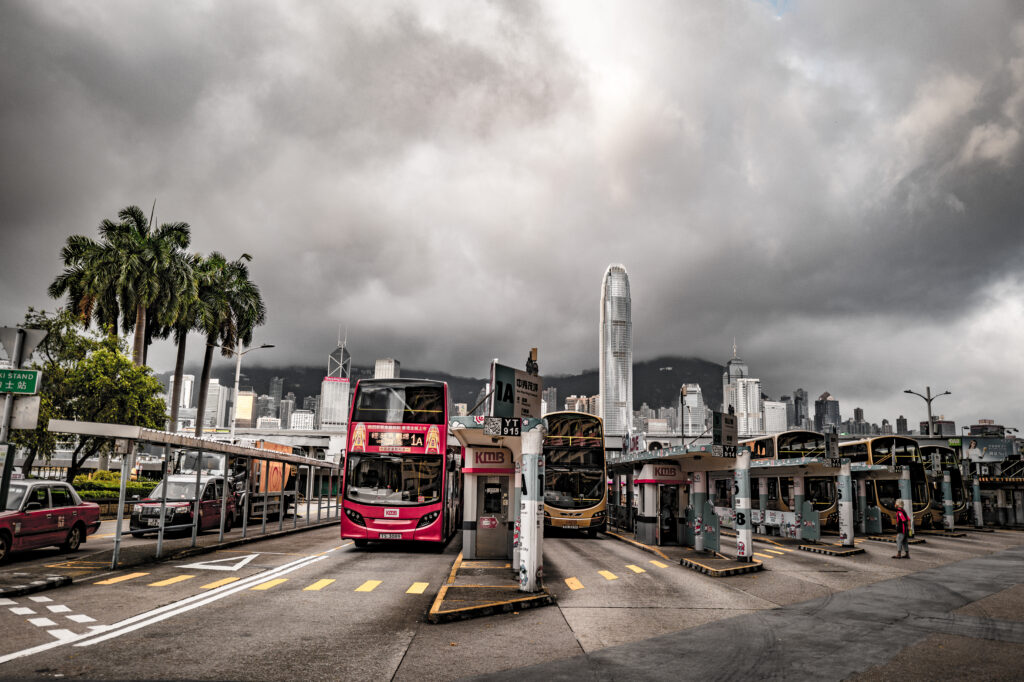
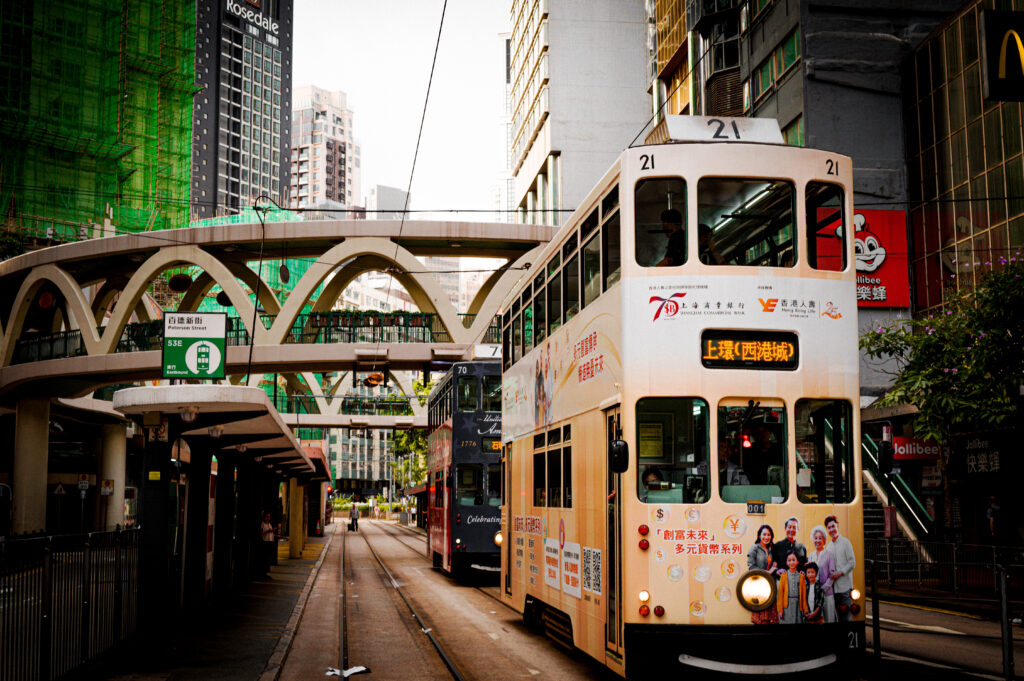
Its transport network is woven into daily life, carrying millions of people between bustling business districts, traditional neighbourhoods and the city’s famous waterfront. Yet these journeys offer much more than convenience. They reveal Hong Kong from different angles, whether gliding through the streets aboard a century-old tram or crossing Victoria Harbour as the skyline stretches into view.
Each ride tells a slightly different story. Together, they provide one of the best introductions to the city.
Hong Kong Tramways: A Journey Through History
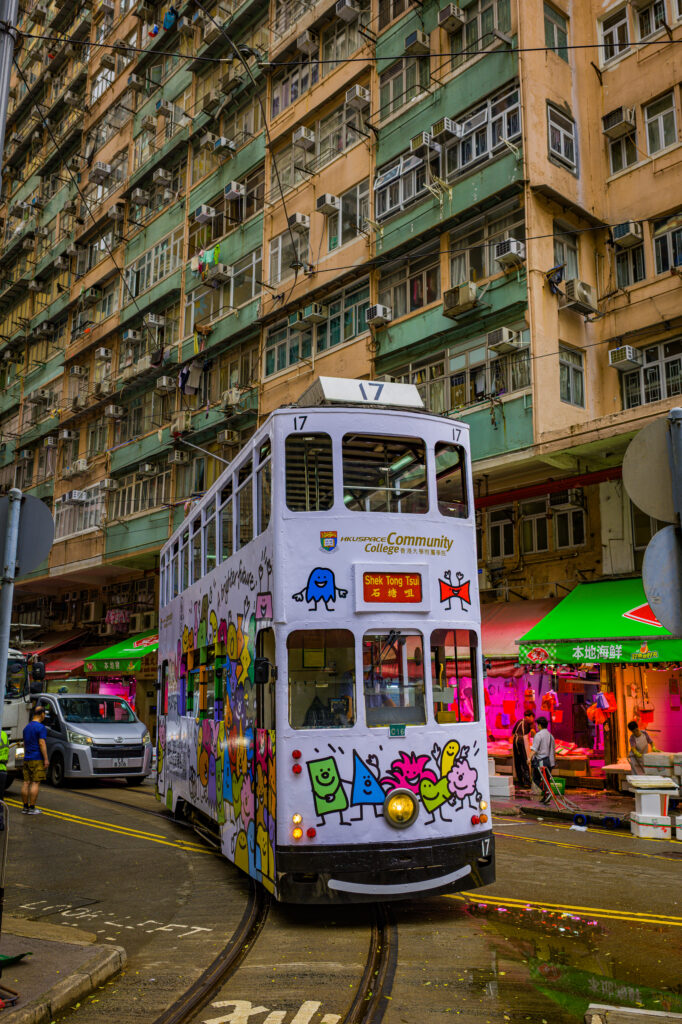
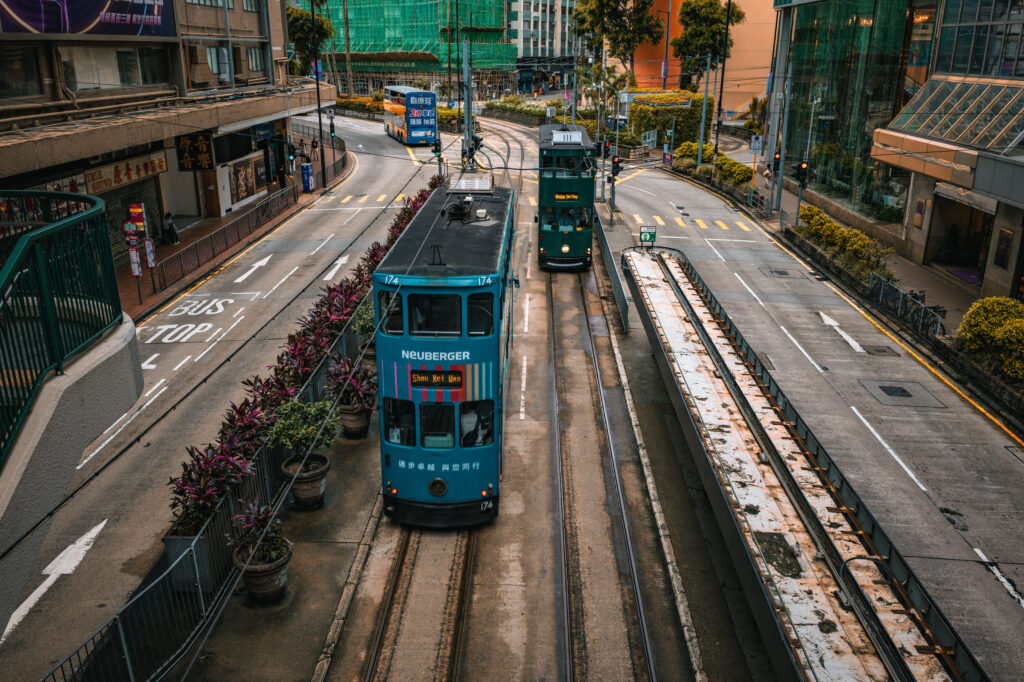
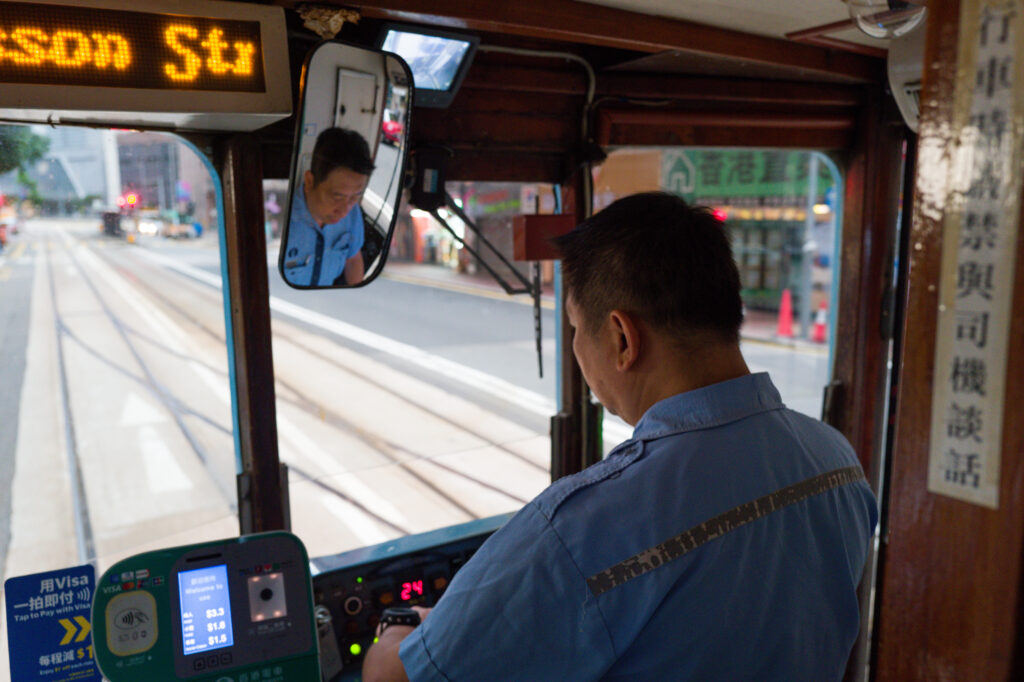
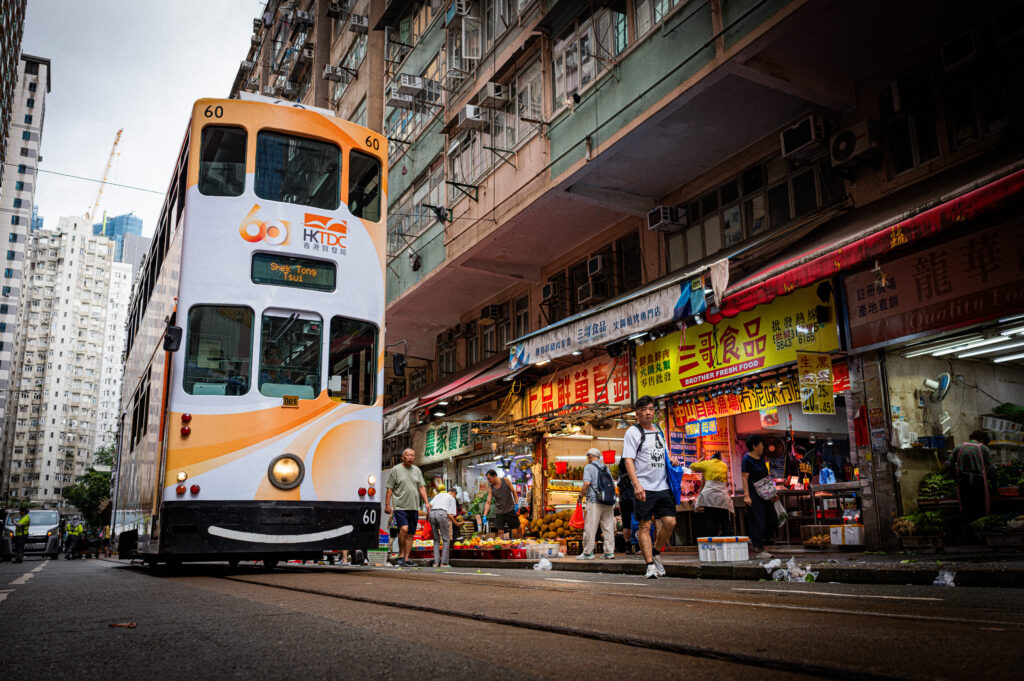
The distinctive double-decker tram is one of Hong Kong’s most recognisable symbols.
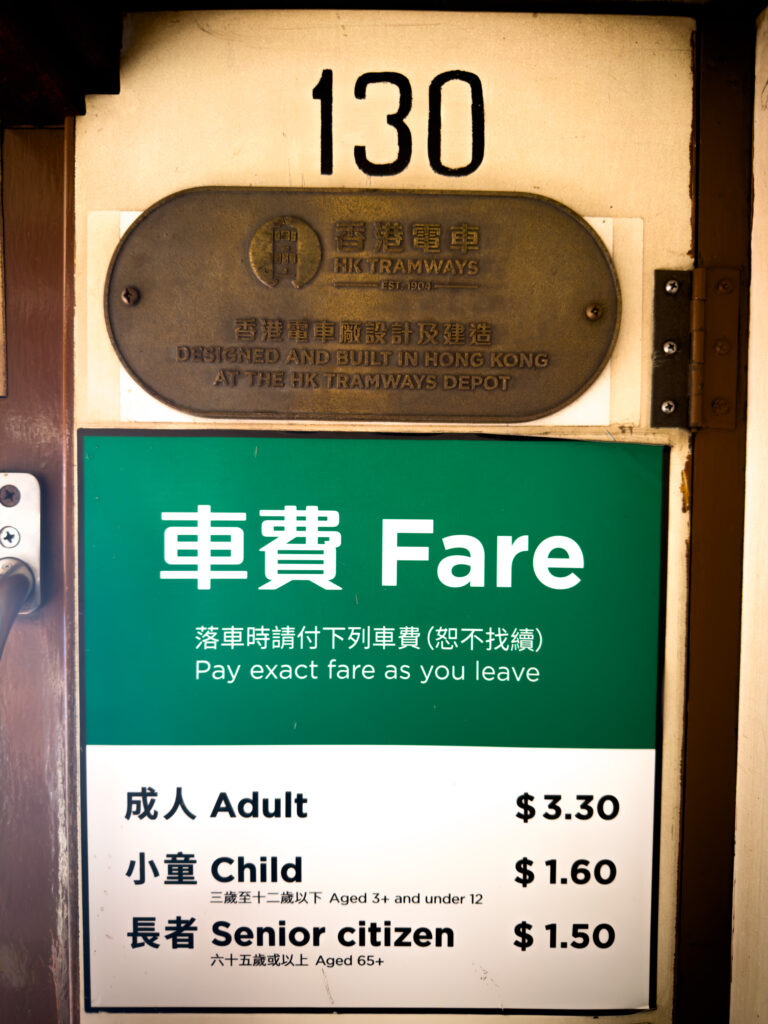
Introduced in 1904, Hong Kong Tramways remains one of the world’s oldest continuously operating tram systems. While much of the city’s transport network has evolved into a fast-moving modern system, the tram continues to follow many of the same routes it has travelled for over a century.
Climbing to the upper deck offers an entirely different perspective. The tram moves at a relaxed pace past local markets, apartment buildings, office towers and traditional shopfronts. Instead of rushing between attractions, there is time to observe everyday life unfolding along the streets.
It is easy to understand why both locals and visitors continue to enjoy the experience despite faster alternatives.
Crossing Victoria Harbour on the Star Ferry
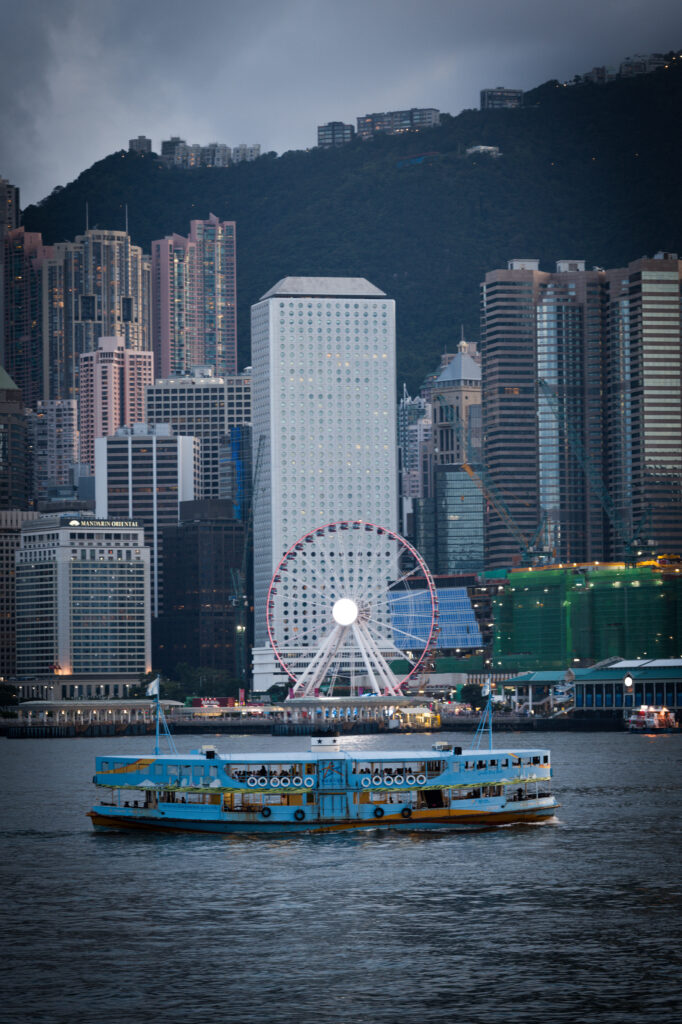
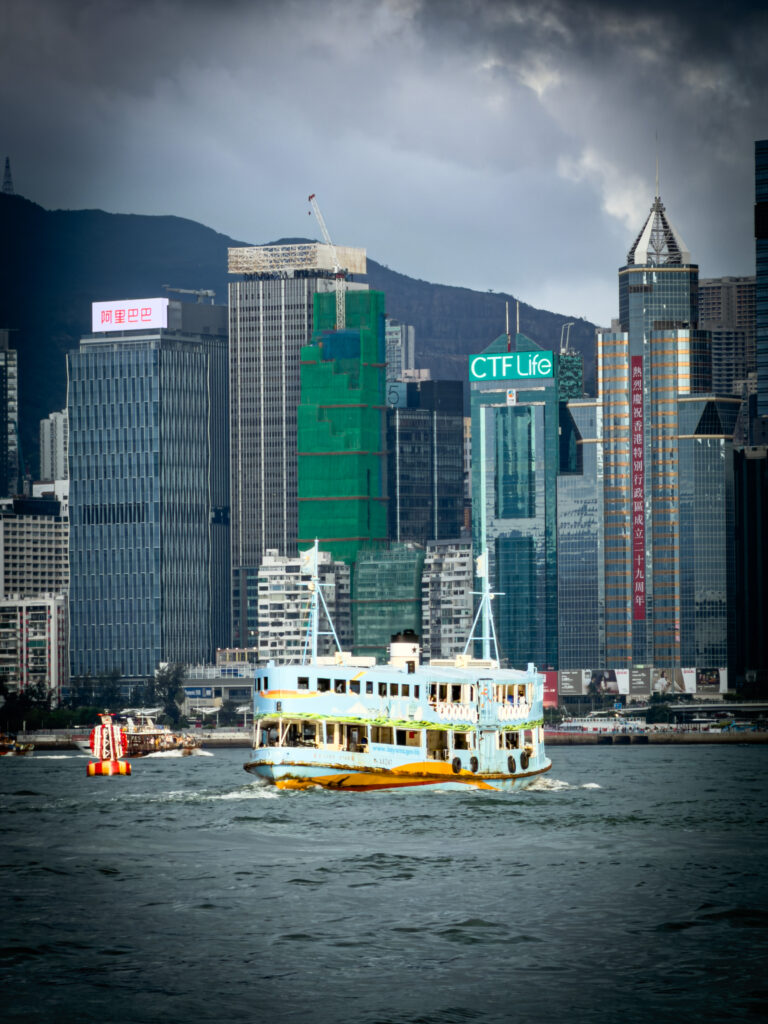
Few journeys in Hong Kong are as memorable as the short crossing between Hong Kong Island and Kowloon.
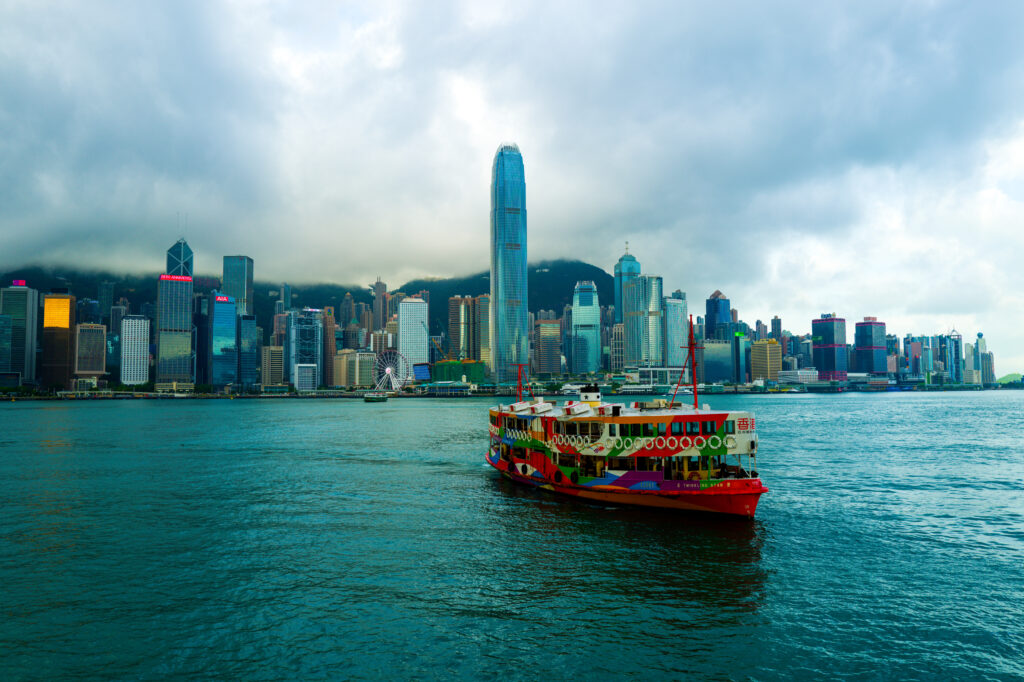
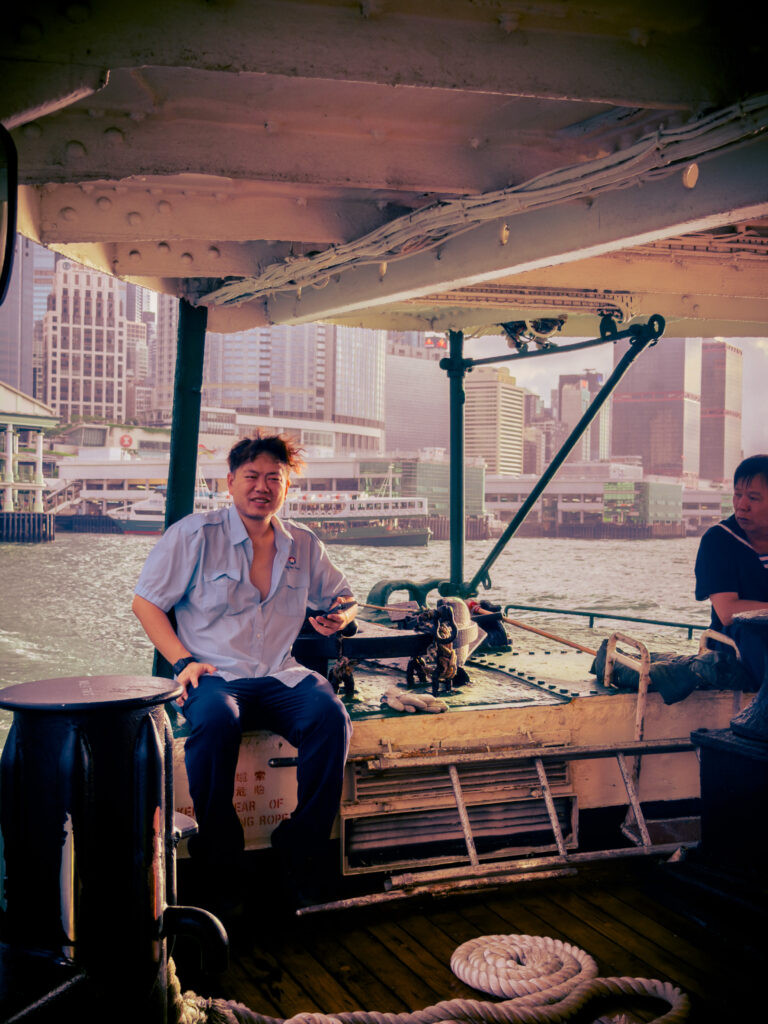
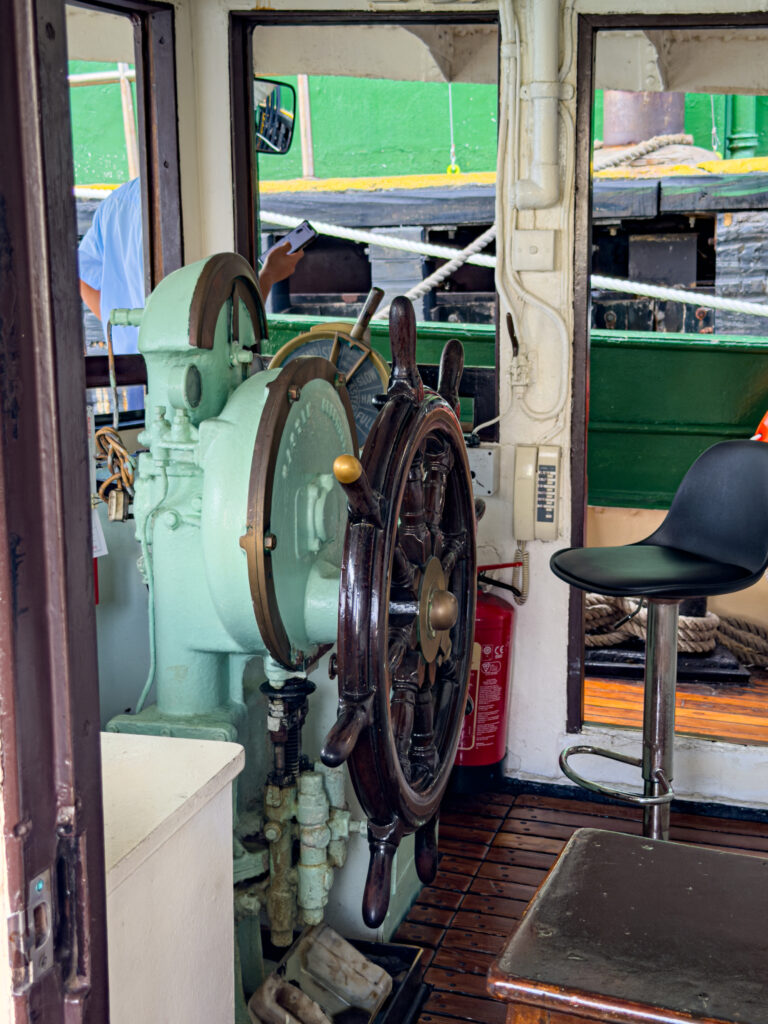
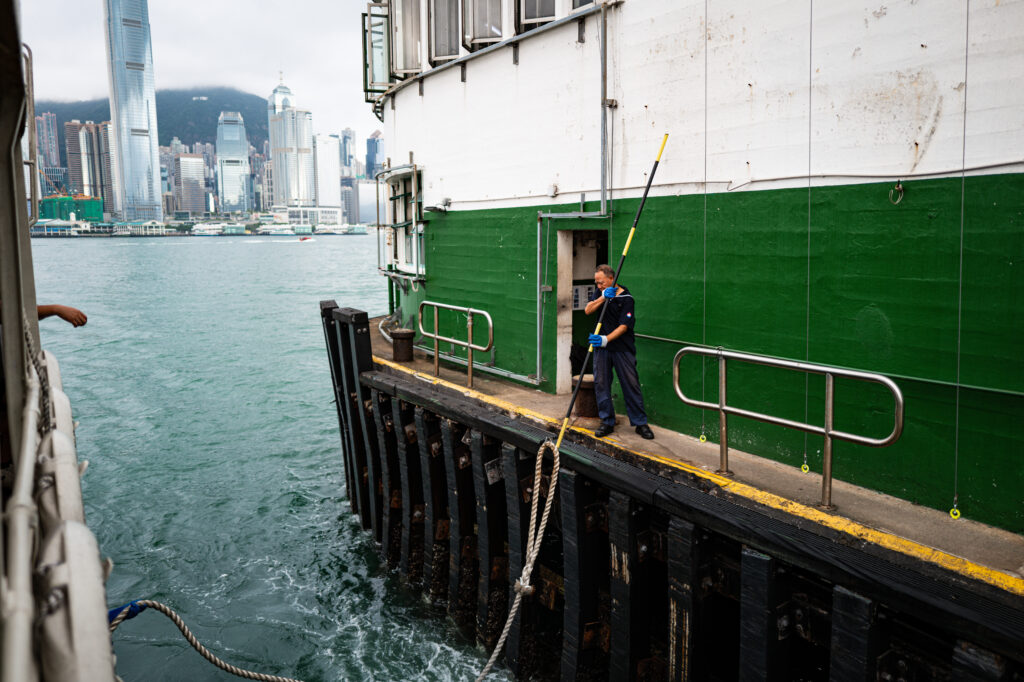
The Star Ferry began operating in 1888, long before tunnels connected both sides of the harbour. For generations, it has carried commuters, workers and visitors across one of the world’s busiest natural harbours.
Although the journey lasts only a few minutes, the scenery constantly changes. Towering skyscrapers line the waterfront while mountains rise in the distance behind the city. During the evening, the illuminated skyline creates one of Hong Kong’s most recognisable views.
It is one of those experiences where the destination almost becomes secondary to the journey itself.

Riding in Hong Kong’s Iconic Red Taxis
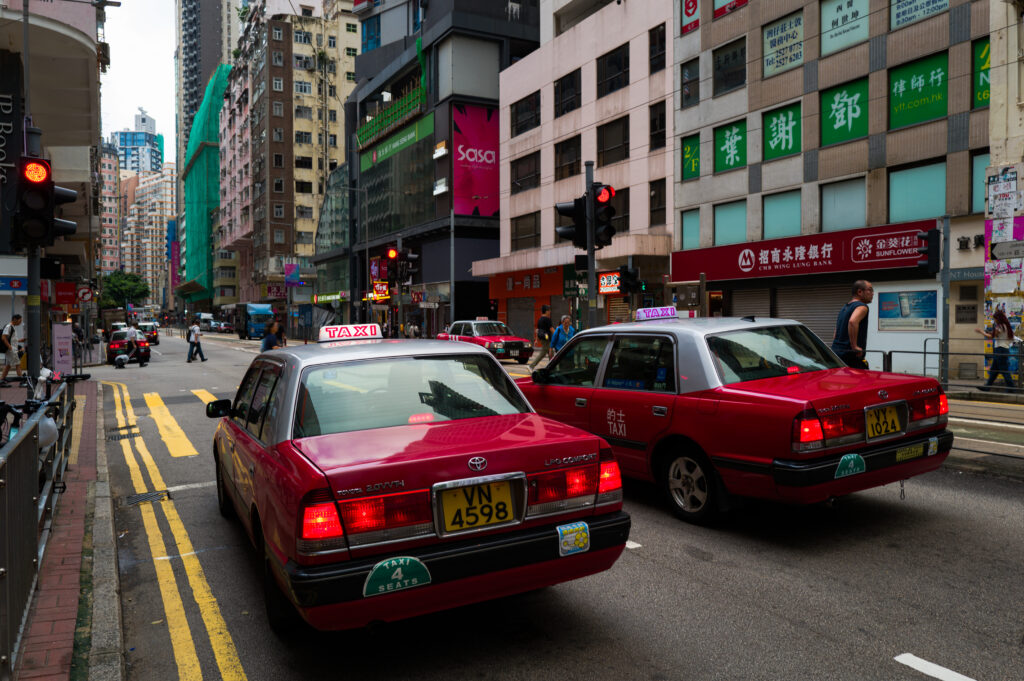
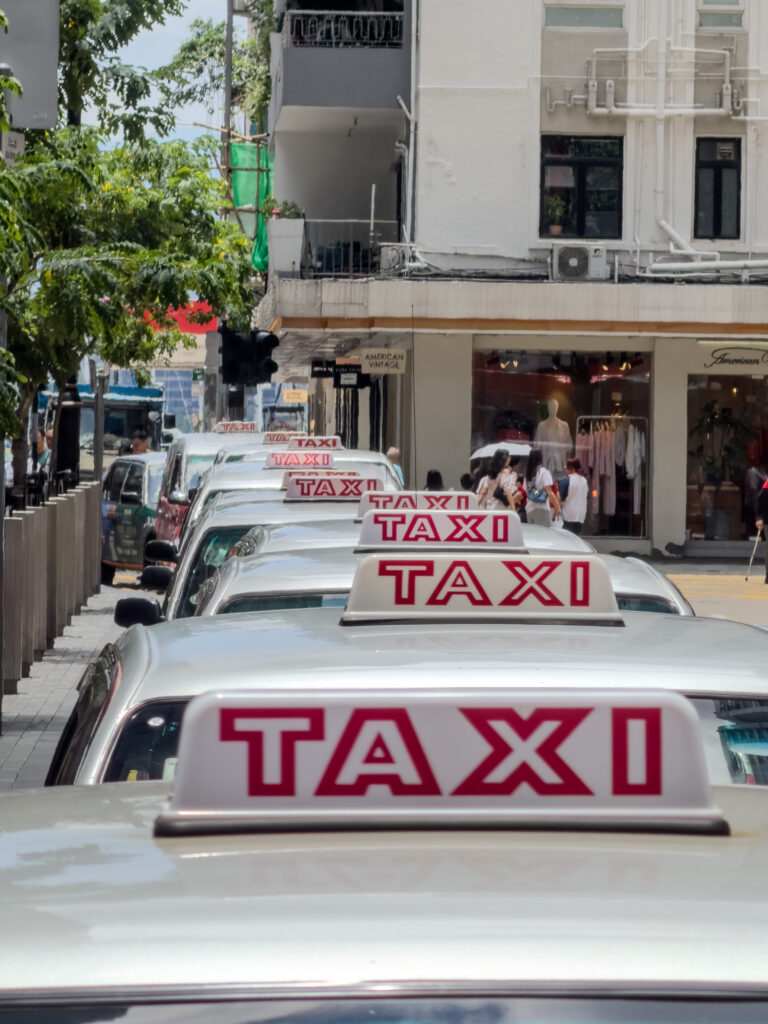
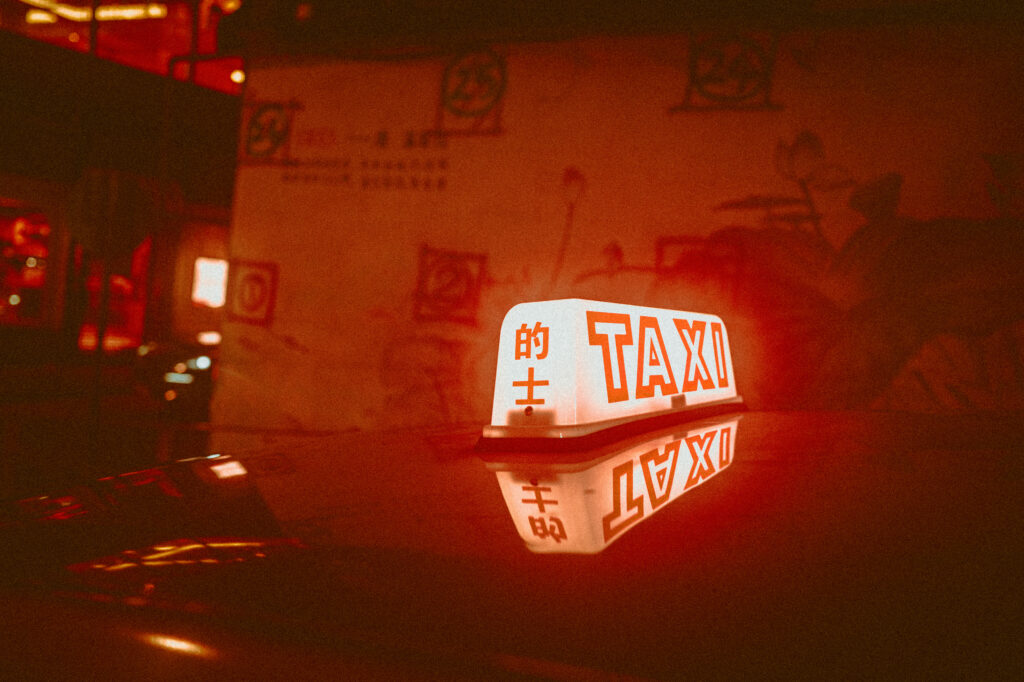
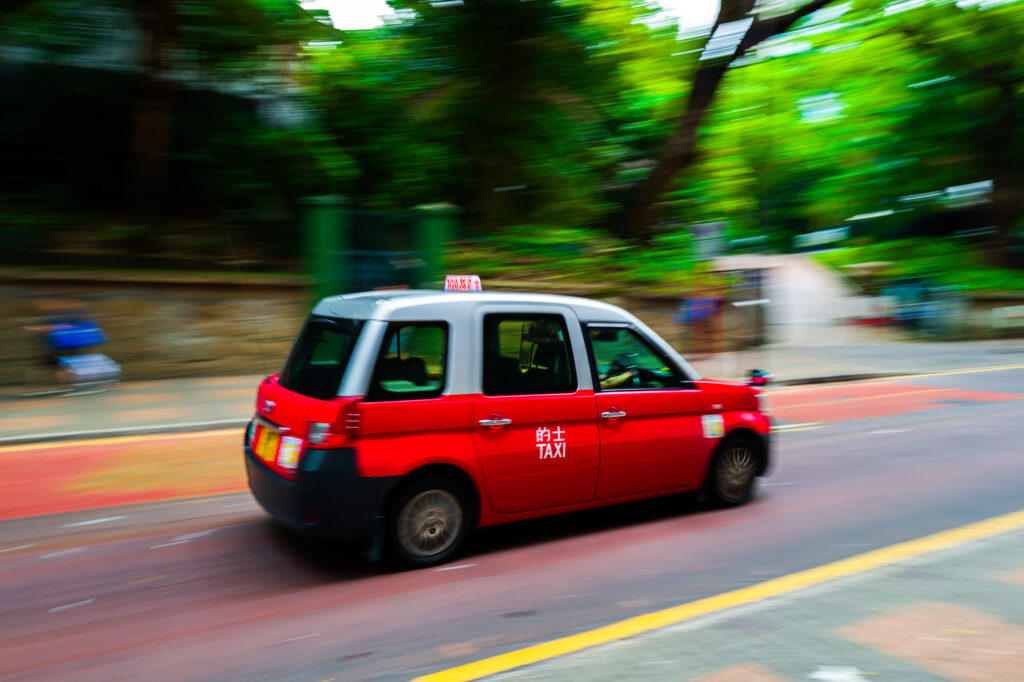
The bright red taxis have become just as recognisable as Hong Kong’s skyline.
They first appeared in the 1970s following the introduction of colour-coded taxi services, with red vehicles serving most of the urban areas across Hong Kong Island and Kowloon. Today they remain an essential part of the city’s transport network.
Watching the city from the back seat offers another perspective. Streets become narrower, traffic flows around trams and buses, and neighbourhoods blend seamlessly into one another. Every journey offers another glimpse into the rhythm of daily life.

Riding the MTR
Opened in 1979, the MTR transformed the way people move around Hong Kong and has become one of the world’s most efficient metro systems.
Trains arrive every few minutes, carrying commuters and visitors quickly between districts. Travelling underground offers a different perspective, revealing the pace and organisation that keeps the city moving each day.
Seeing Hong Kong from a Double-Decker Bus
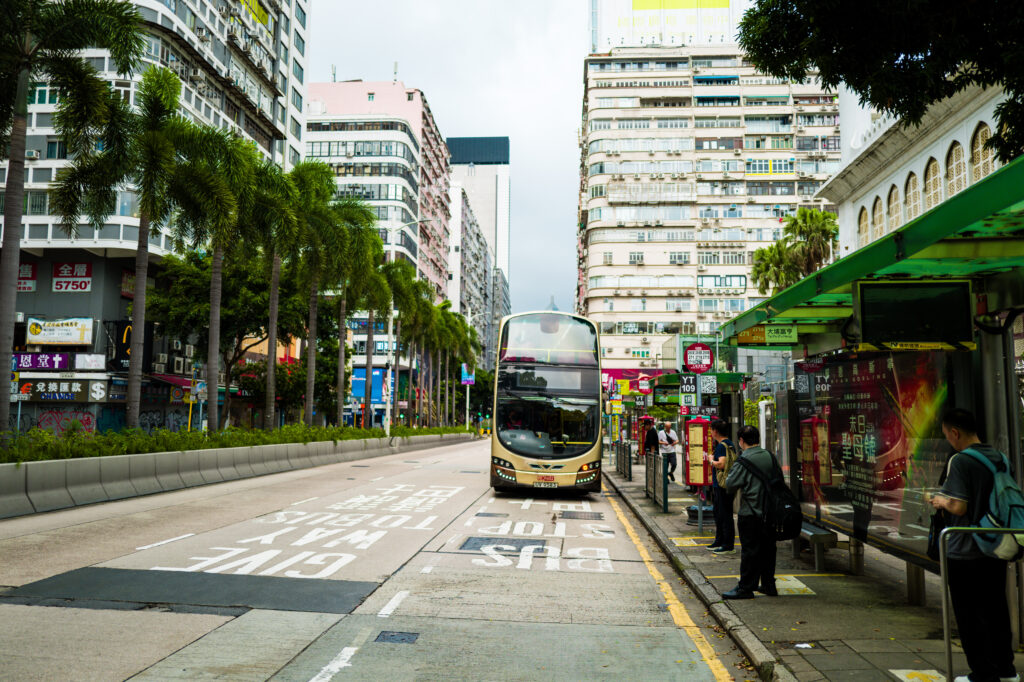
Hong Kong’s streets were built around steep hills, narrow roads and densely packed neighbourhoods.
Double-decker buses make the most of this landscape. Sitting at the front of the upper deck provides an uninterrupted view as the bus climbs winding roads, passes beneath towering apartment blocks and threads its way through busy intersections.
The route continually changes from commercial districts filled with glass skyscrapers to older neighbourhoods where local businesses have operated for decades.
For visitors, it is one of the simplest ways to appreciate just how diverse Hong Kong’s urban landscape really is.
How to Experience Them All
Experiencing all four forms of transport is surprisingly straightforward.
Begin your journey aboard the Star Ferry between Central and Tsim Sha Tsui before exploring the waterfront. From Central, board a historic tram heading east along Hong Kong Island and enjoy the slower pace of the city from the upper deck.
Later, hop aboard a double-decker bus towards Causeway Bay or North Point before finishing the day with a ride in one of Hong Kong’s iconic red taxis.
The route can easily be completed within a few hours, although many visitors find themselves stopping frequently to explore the neighbourhoods along the way.
What Makes This Experience Special?
Many cities have efficient public transport.
Few have a transport network that feels so closely connected to the city’s identity.
Each journey reveals a different side of Hong Kong. The tram preserves a link to the city’s colonial past. The Star Ferry showcases one of the world’s great skylines. Double-decker buses highlight the city’s remarkable density, while the famous red taxis remain part of everyday urban life.
Together they tell the story of Hong Kong through movement rather than monuments.
Practical Information
- Starting Point
Central Ferry Pier is an ideal place to begin, with easy connections to the Star Ferry, Hong Kong Tramways and numerous bus routes.
- Best Time to Visit
Late afternoon into the evening offers the greatest variety of experiences, allowing visitors to enjoy the harbour during daylight before watching the city illuminate after sunset.
- Photography
The Star Ferry provides some of the best skyline views of Victoria Harbour.
The upper deck of the tram captures everyday street scenes, while double-decker buses offer elevated views of Hong Kong’s busy roads. Red taxis make excellent subjects within the city’s colourful streetscape.
- Cost
All five forms of transport are affordable, making this one of the best-value ways to experience the city.
One Hour Tourist Verdict
Hong Kong has no shortage of famous attractions, yet some of its most memorable experiences happen while travelling between them.
Riding a historic tram, crossing Victoria Harbour, watching the city from the top deck of a bus and taking a journey in one of the iconic red taxis offers a deeper appreciation of how the city moves and how its history continues to shape everyday life.
It is a reminder that exploring a destination does not always require a carefully planned itinerary. Sometimes the most memorable moments happen simply by taking the next ride.