
Tokyo is one of the world’s great cities after sunset.
As daylight fades, giant video screens illuminate entire buildings, neon signs flicker to life and millions of people pour into the streets. Yet despite its reputation for futuristic technology and endless entertainment, Tokyo’s nightlife is also deeply connected to its past.
No three places capture this contrast better than Shibuya Crossing, Kabukicho and Omoide Yokocho.
Together they showcase modern Tokyo’s energy, colour and scale while offering glimpses into the city’s history and culture. Better still, they are connected by some of Tokyo’s most convenient train lines, making it possible to experience all three in a single evening.
If you’re in a hurry, you could visit them all within an hour. But each district has enough atmosphere and character to keep you exploring for far longer.
Shibuya Crossing: The Movement of Modern Tokyo
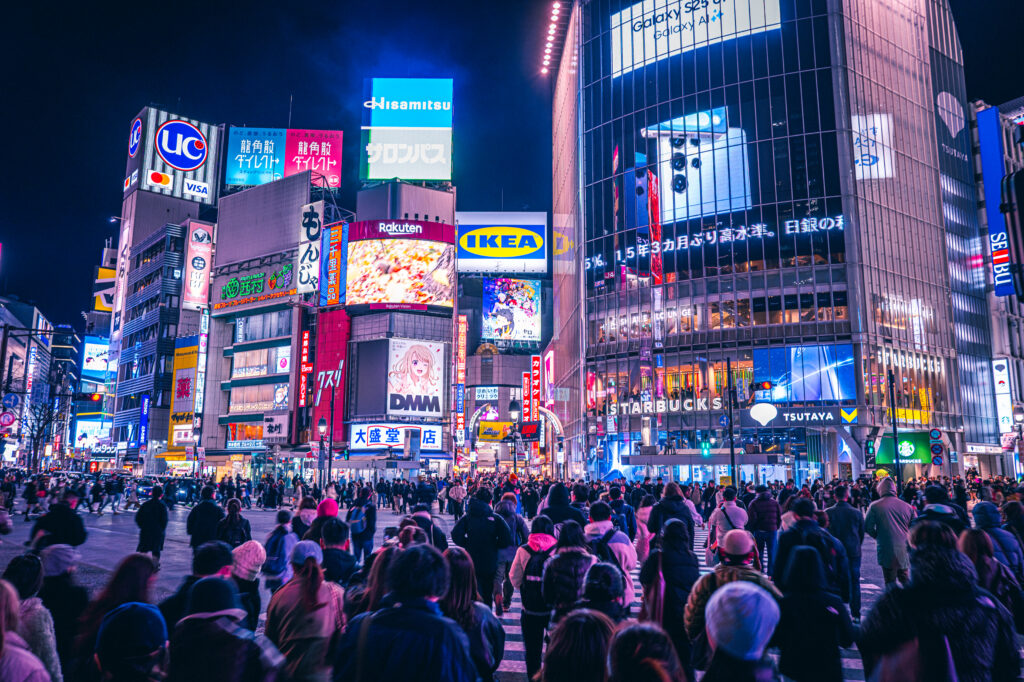
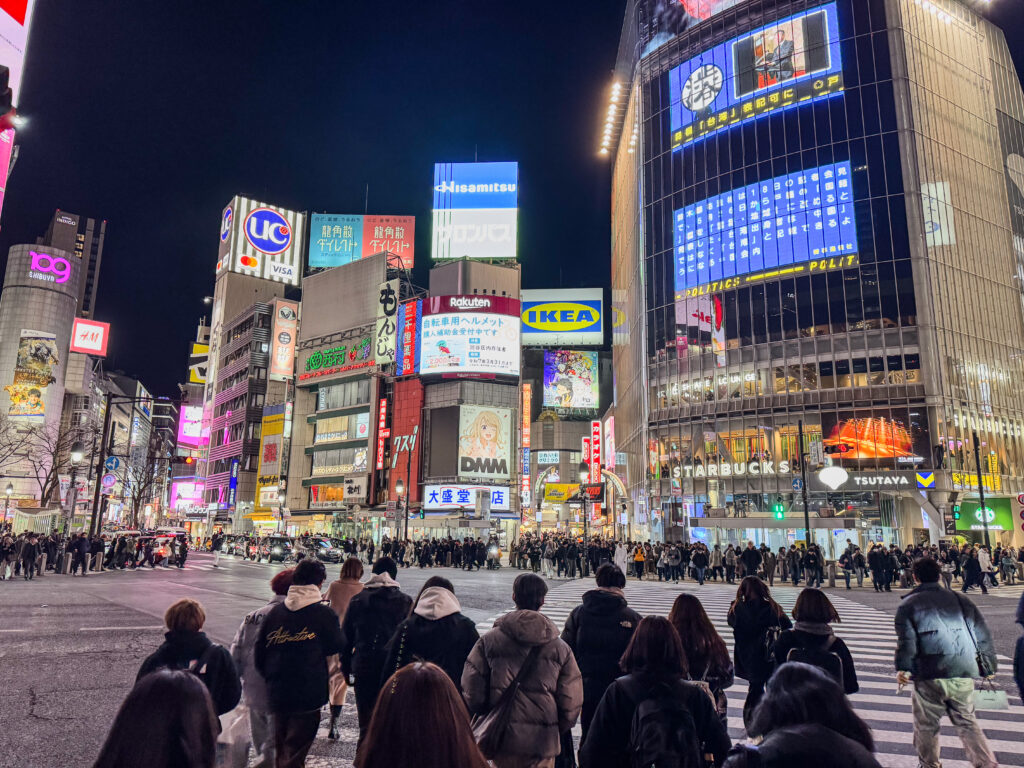
Few places are more recognisable than Shibuya Crossing.
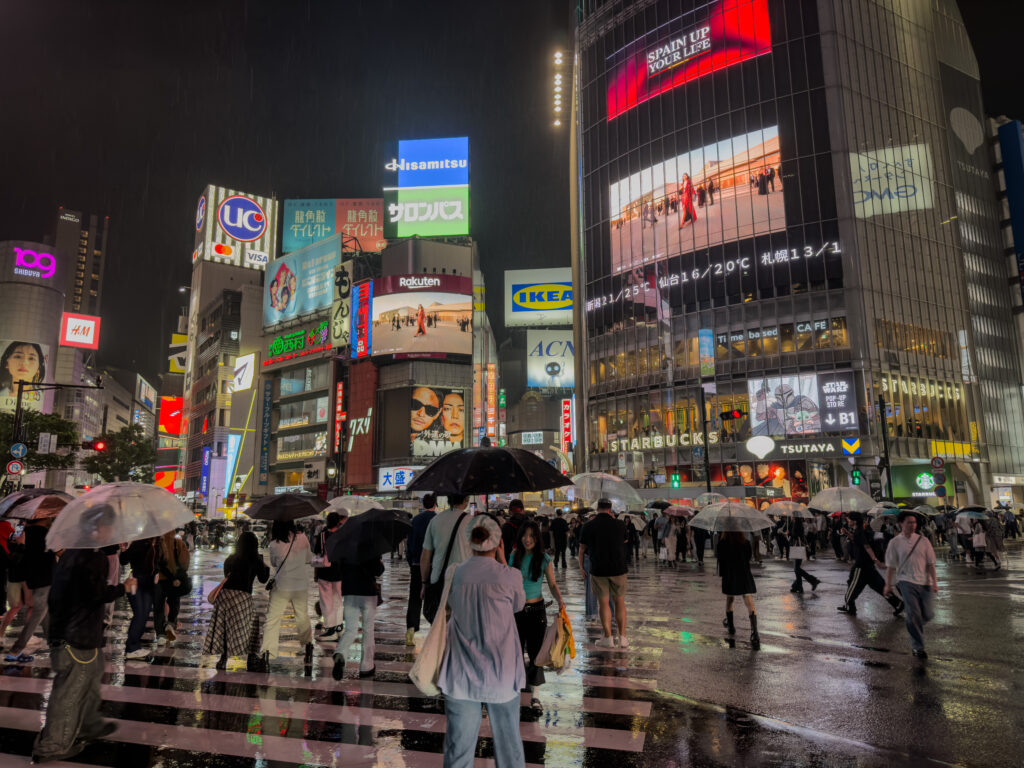
Each time the traffic lights change, thousands of people surge into the intersection from every direction. Office workers, students, tourists and shoppers move together in a carefully choreographed chaos that has become one of Tokyo’s defining images.
Surrounded by giant digital billboards, department stores and towering screens, the crossing represents modern Tokyo at its most energetic. It is a place where the city’s immense scale becomes instantly visible.
The best experience is not simply crossing once. Cross several times, watch from different corners and then find an elevated viewpoint overlooking the intersection to appreciate the remarkable flow of people below.
This is Tokyo’s heartbeat.
Kabukicho: Neon, Entertainment and Endless Energy
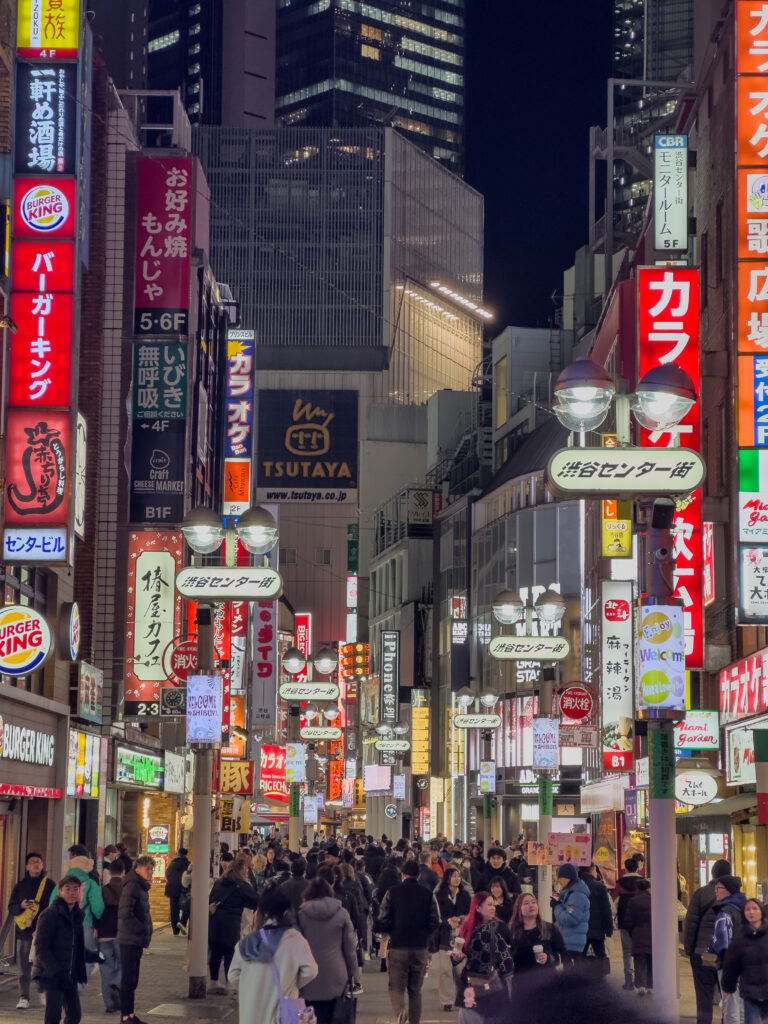
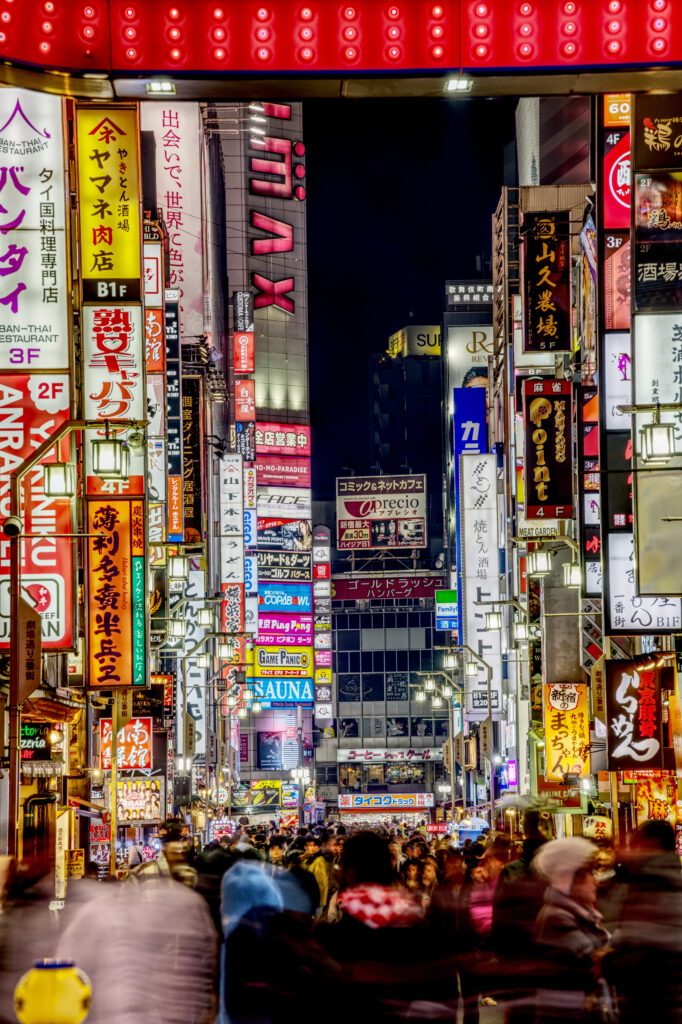
Just a few train stops away lies a completely different world.
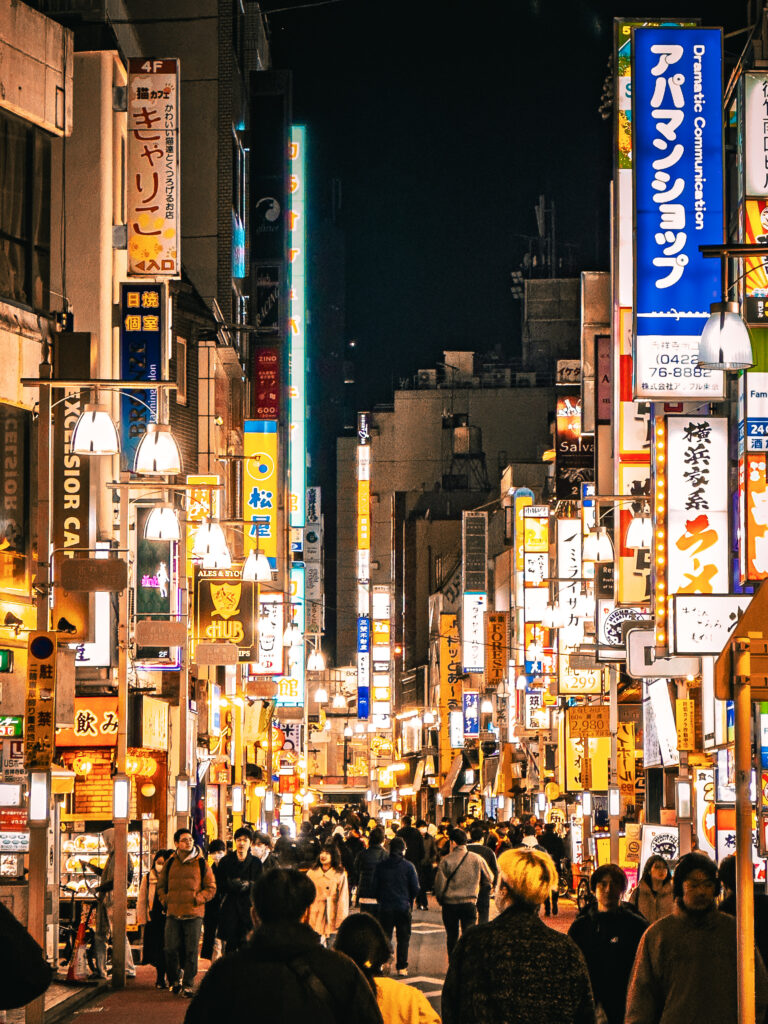
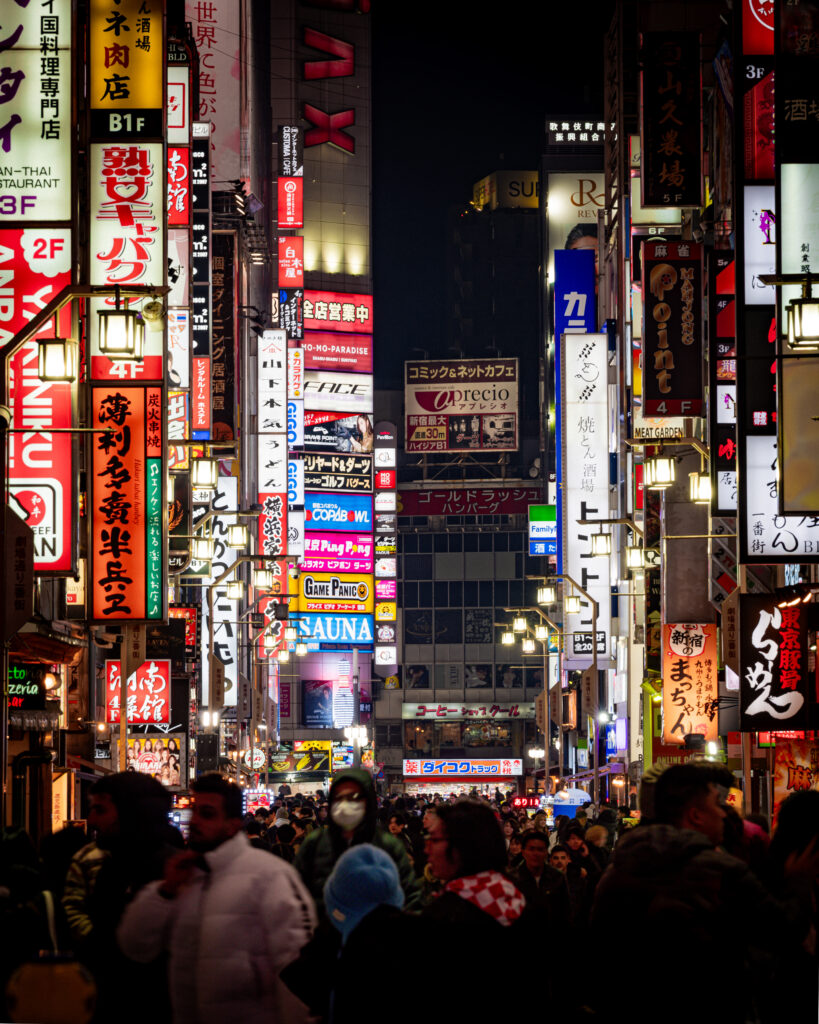
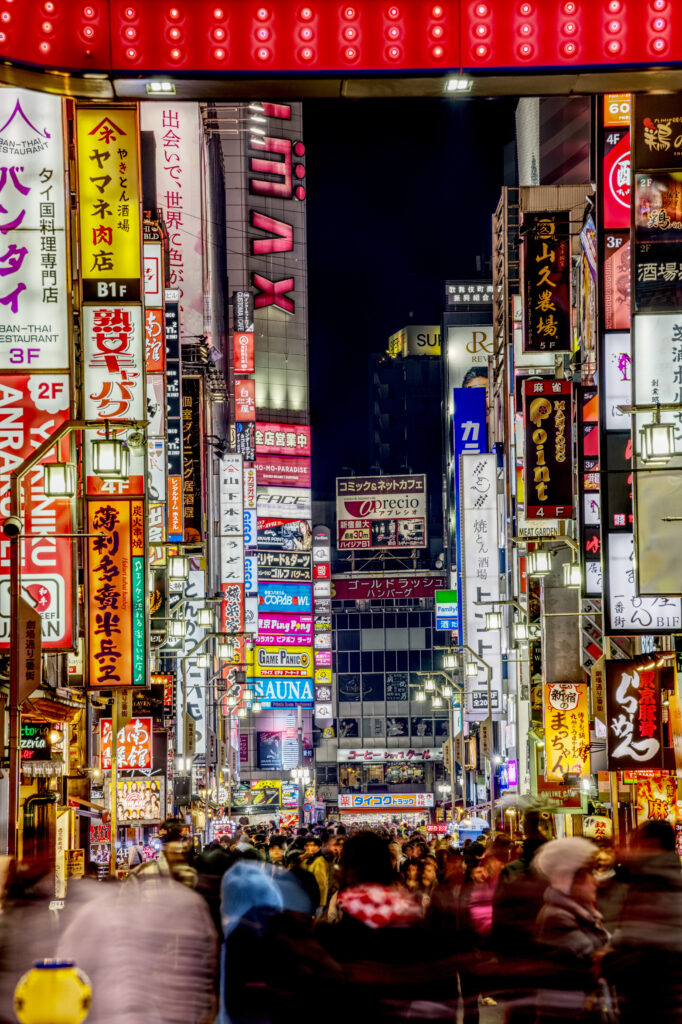
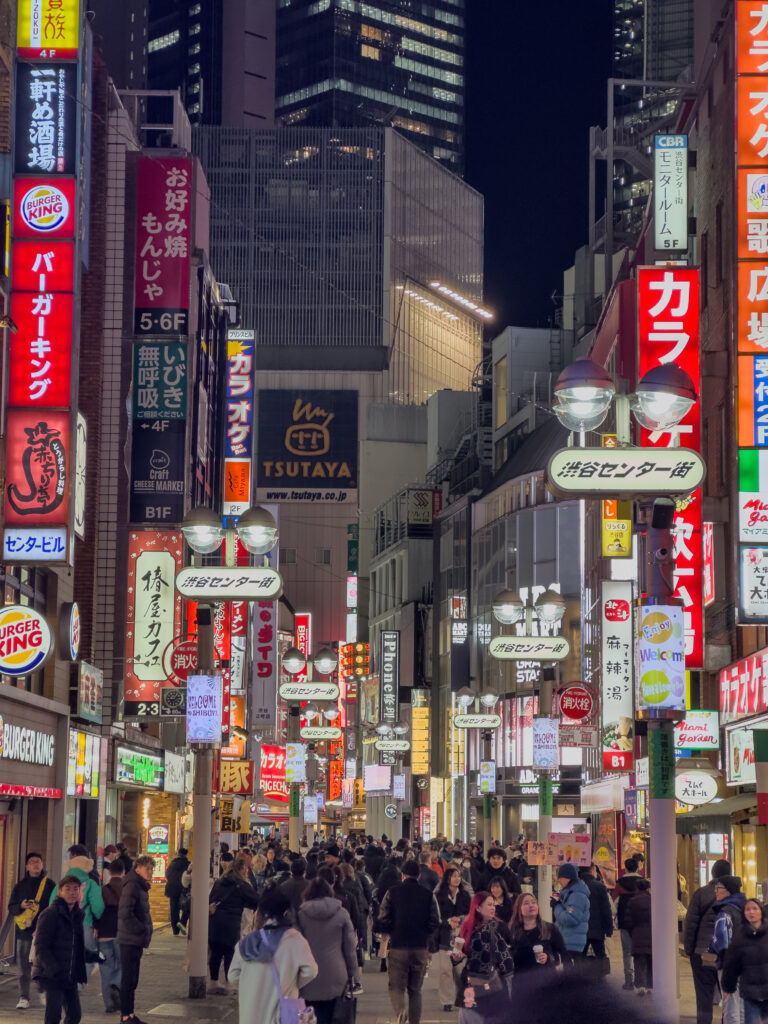
Located in Shinjuku, Kabukicho is Tokyo’s most famous entertainment district. Massive neon signs, themed restaurants, cinemas, arcades and late-night venues create an atmosphere unlike anywhere else in Japan.
Historically, Kabukicho was developed after World War II as an entertainment area. While its reputation has often focused on nightlife, today’s district attracts visitors seeking the spectacle of modern Tokyo as much as its evening attractions.
Walking through Kabukicho feels like stepping into a movie set. Bright colours reflect off wet streets, giant digital displays dominate building facades and crowds move between restaurants, bars and entertainment venues well into the night.
For many visitors, this is the Tokyo they imagined before arriving.
Omoide Yokocho: A Glimpse into Old Tokyo
Just a short walk from Kabukicho sits one of Tokyo’s most atmospheric laneways.
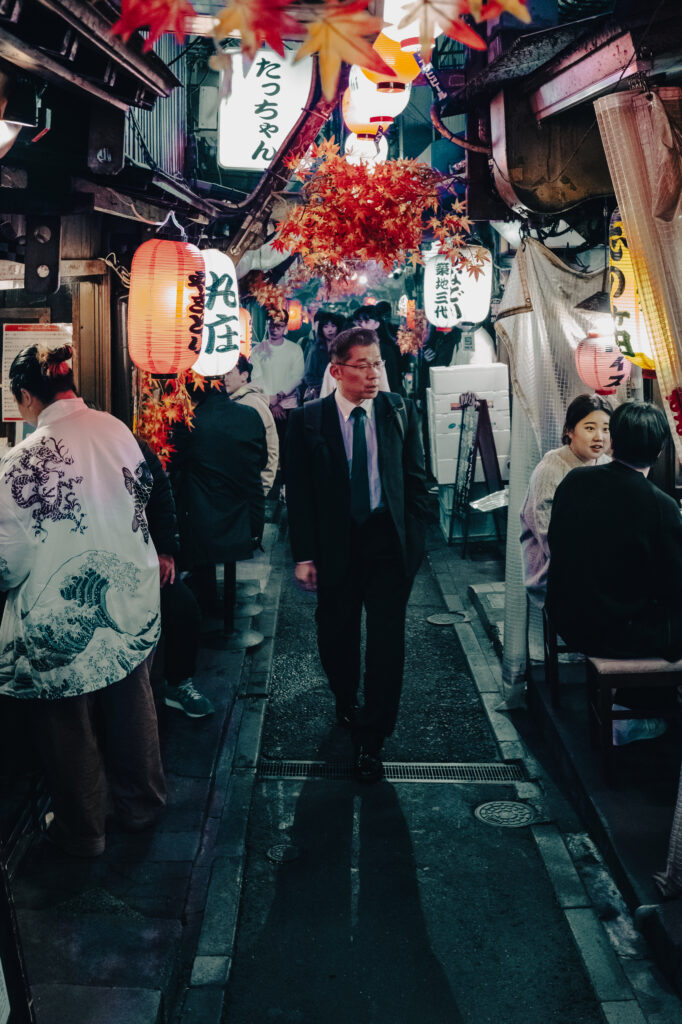
Omoide Yokocho, meaning “Memory Lane”, preserves a side of Tokyo that largely disappeared during the city’s rapid modernisation.
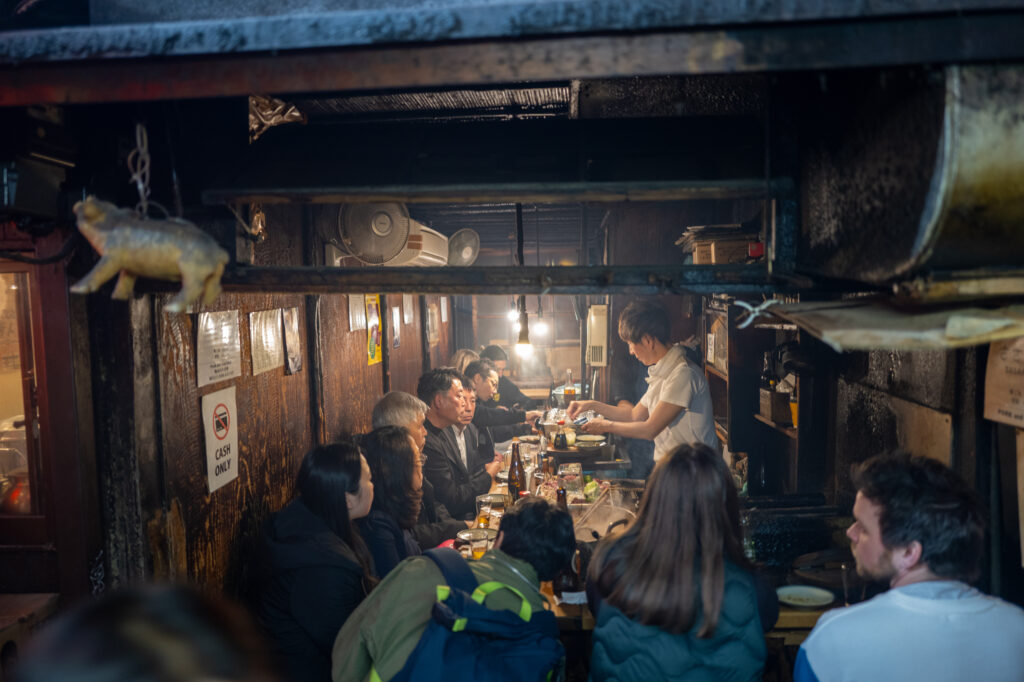
Following World War II, this narrow network of alleyways became home to tiny food stalls and informal drinking establishments serving workers rebuilding their lives and livelihoods. Over time, many evolved into the tiny restaurants and bars that remain today.
Lanterns glow above narrow walkways while smoke drifts from charcoal grills cooking yakitori and other traditional dishes. Seating is often limited to a handful of people, creating an intimate atmosphere that feels worlds away from the giant screens and skyscrapers nearby.
Omoide Yokocho offers a rare opportunity to experience a surviving piece of post-war Tokyo.
How to Visit All Three
The journey is remarkably simple.
Begin at Shibuya Crossing and spend time experiencing the crowds and city lights.
From Shibuya Station, take the JR Yamanote Line to Shinjuku Station. The journey takes approximately seven minutes.
Exit into Kabukicho and explore the neon-lit streets before walking five minutes west towards Omoide Yokocho.
The entire route can comfortably be completed in less than an hour if you simply wish to experience each location.
However, most visitors find themselves lingering much longer. A rooftop viewpoint in Shibuya, dinner in Omoide Yokocho or simply wandering Kabukicho’s illuminated streets can easily turn an hour into an entire evening.
What Makes This Experience Special?
Many cities have nightlife districts.
Few offer such a striking contrast between past and present within such a small area.
Shibuya Crossing showcases the scale and movement of modern Tokyo. Kabukicho delivers the city’s famous neon spectacle. Omoide Yokocho reveals the intimate, historic side of urban Japan.
Together they tell the story of Tokyo itself — a city that continually reinvents itself while still preserving fragments of its past.
Practical Information
- Starting Point
Shibuya Station is the ideal starting location and is easily reached from most parts of Tokyo.
- Best Time to Visit
Between 7:00pm and 10:00pm offers the best combination of crowds, atmosphere and illuminated streets.
Photography
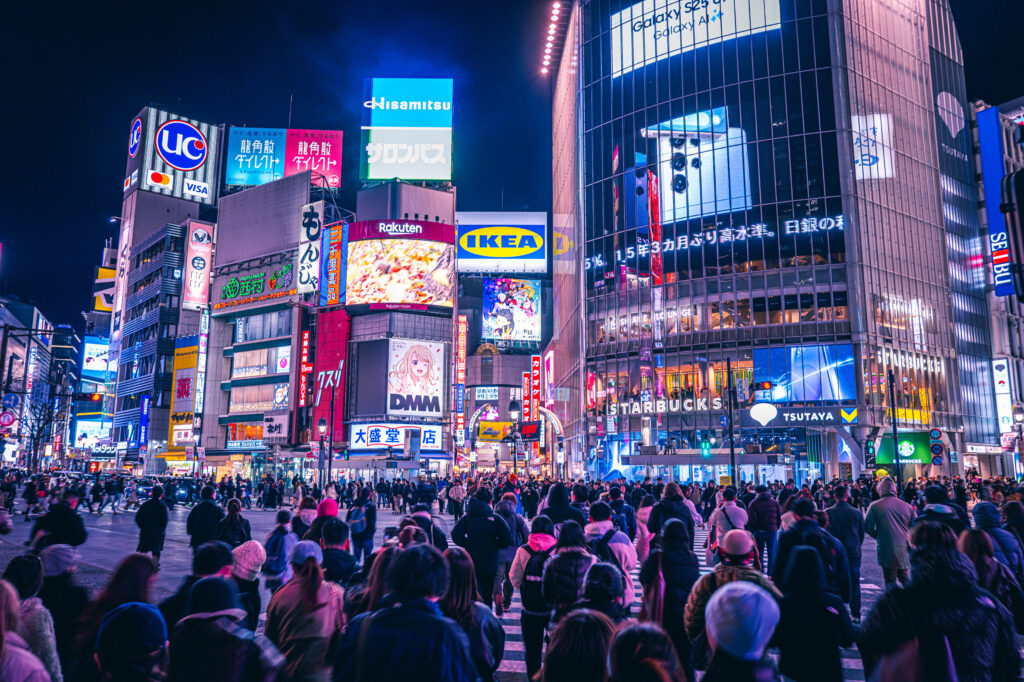
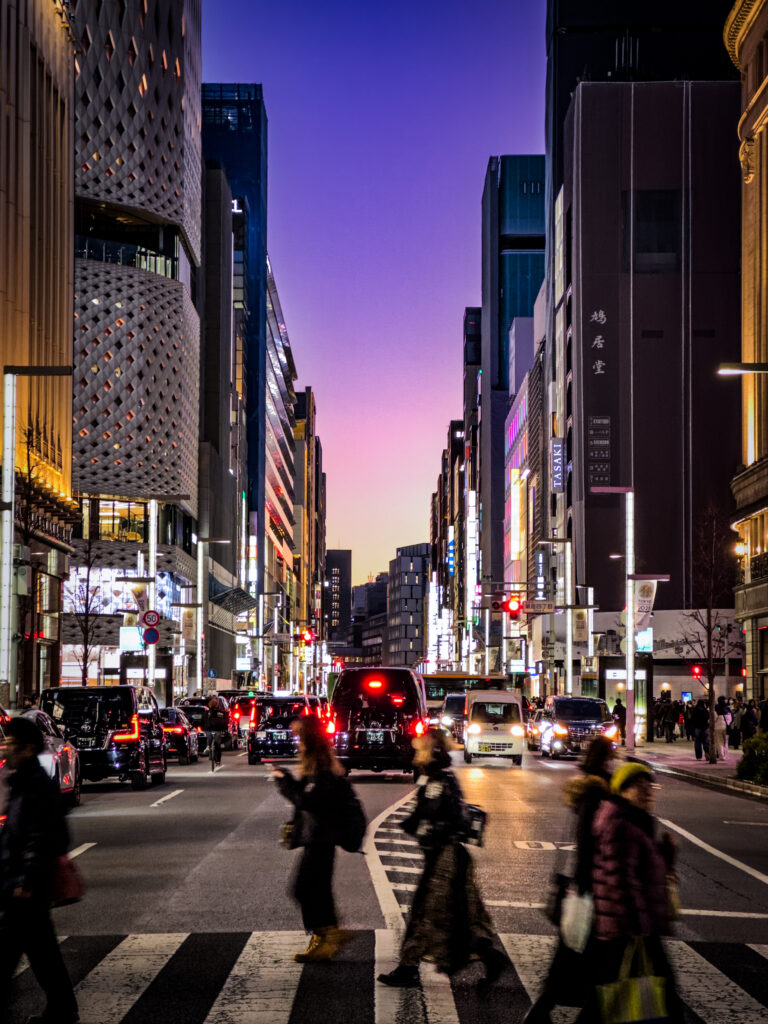
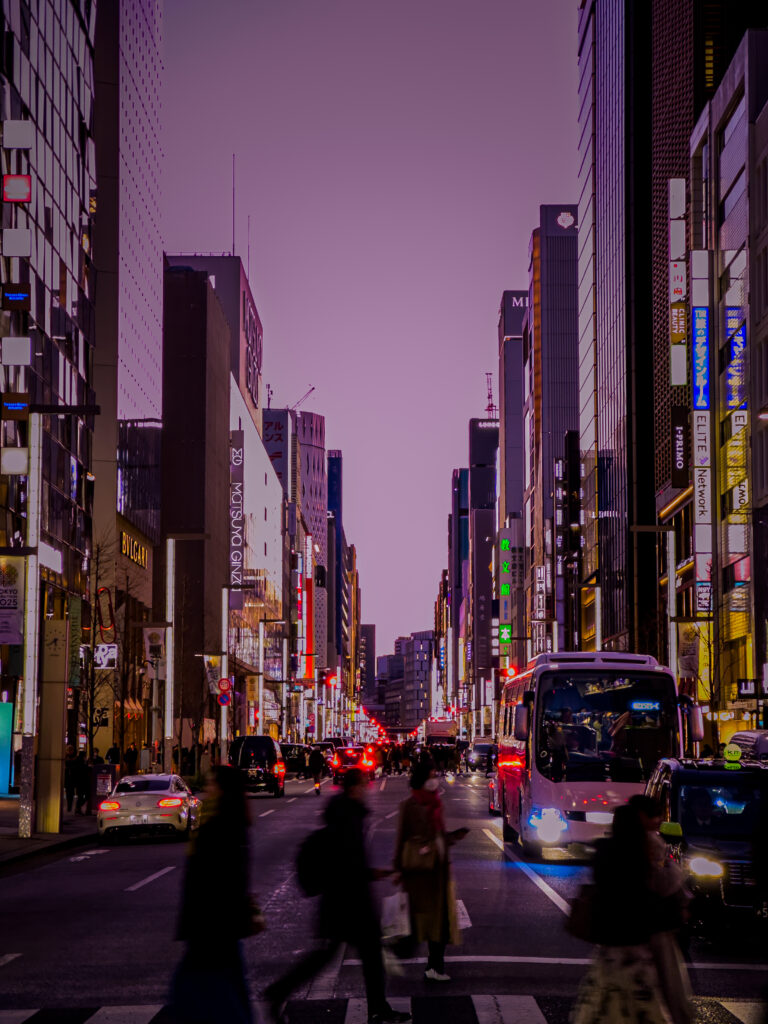
Shibuya is best for crowd photography and cityscapes.
Kabukicho excels at neon, street scenes and urban energy.
Omoide Yokocho offers intimate details, lanterns, food culture and atmospheric alleyways.
Walking Distance
Kabukicho and Omoide Yokocho are only a few minutes apart on foot.
One Hour Tourist Verdict
Tokyo offers countless attractions after dark, but few experiences capture the city’s character better than these three districts.
In less than an hour, visitors can travel from the world’s most famous pedestrian crossing to Tokyo’s brightest entertainment district and then step back into the atmosphere of post-war Japan.
Whether you spend sixty minutes or an entire evening exploring, Shibuya Crossing, Kabukicho and Omoide Yokocho remain essential experiences for anyone wanting to understand Tokyo after dark.